Antibiotics kill bacteria, and they do not distinguish between the ones causing your infection and the ones living harmlessly on and in you. Some of those harmless bacteria keep yeast populations in check by competing for space and nutrients. Remove them and the yeast, most often Candida, has room to overgrow. That is why thrush frequently follows a course of antibiotics, and it is a consequence of the treatment working rather than a sign it went wrong.
Where it shows up
Oral thrush appears as white patches on the tongue, inner cheeks or roof of the mouth that leave a sore or reddened area when wiped, often with a cottony feeling, altered taste or soreness. It is more common in people using steroid inhalers, denture wearers, smokers, and anyone with a dry mouth.
Vaginal thrush causes itching, soreness, and a thick discharge that is usually odourless. It is extremely common after antibiotics.
Skin thrush favours warm, moist folds - under the breasts, in the groin, between toes - as a red, sometimes itchy rash.
Pharmacists can advise on and supply treatment for most straightforward thrush without an appointment, which is usually the quickest route.
Reducing the chance of it
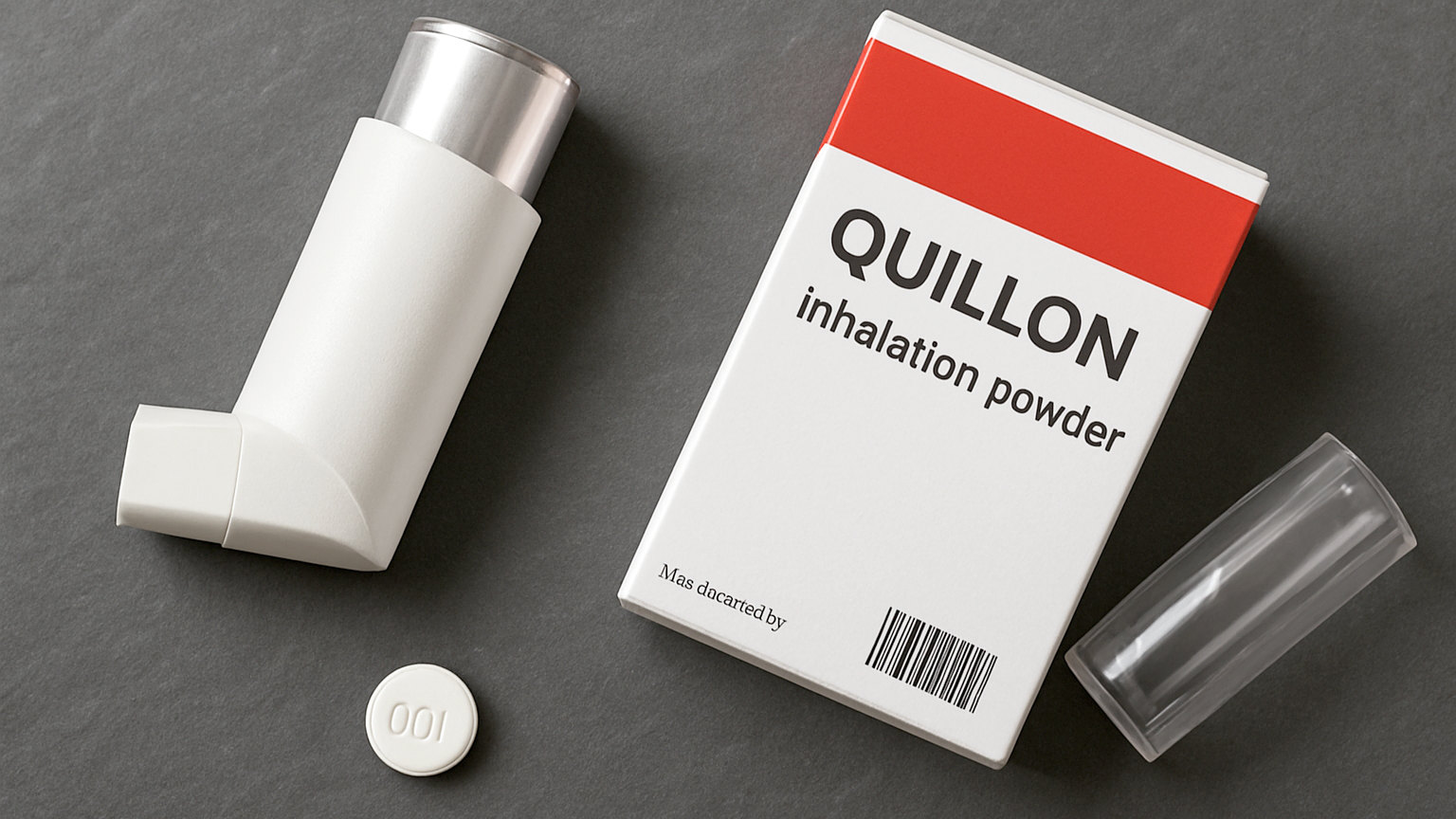
If you use a steroid inhaler, rinse your mouth and spit after each dose, and use a spacer - both substantially reduce oral thrush, as our guide to preventer and reliever inhalers explains.
Beyond that: keep up normal oral hygiene, clean dentures properly and leave them out overnight, keep skin folds dry, and avoid heavily perfumed washes in the genital area, which disturb the same balance antibiotics have already unsettled.
If you get thrush every single time you take antibiotics, mention it when one is prescribed. It can be anticipated.
What about probiotics?
The evidence is mixed rather than absent. Some trials suggest certain probiotic strains reduce antibiotic-associated diarrhoea; the evidence for preventing thrush specifically is weaker. They are generally low-risk for healthy people, and eating live yoghurt or fermented foods is harmless.
Two cautions. People who are seriously unwell, immunosuppressed or have a central line should not take probiotics without medical advice, as there are reports of infection. And probiotics are supplements rather than licensed medicines, so strain and quantity vary between products - our guide to supplements and medicines covers why that matters.
The other thing antibiotics disturb
Loose stools during or after a course are common for the same reason - the gut's bacterial balance has been disrupted, and it usually recovers over days to weeks.
Occasionally something more serious follows. Clostridioides difficile can take advantage of the same gap and cause a severe bowel infection. Contact your GP or 111 promptly if you develop watery diarrhoea several times a day, especially with fever, abdominal pain or cramping, during or in the weeks after a course of antibiotics. Get urgent help for blood in the stool, severe abdominal pain, or signs of dehydration. This is more likely in older people, after hospital stays, and after broad-spectrum antibiotics.
Do not take anti-diarrhoeal medicines for this without advice; in some bowel infections they make matters worse.
When it is not thrush
Self-diagnosis is unreliable here, and studies of women buying thrush treatment over the counter have repeatedly found a large proportion actually had something else - bacterial vaginosis, an STI, or a skin condition. Treating the wrong thing delays the right treatment.
See a clinician rather than treating it yourself if this is your first episode, if symptoms are not typical, if there is an unusual smell or colour, if there is pain passing urine or during sex, if there is bleeding, if you are pregnant, if it keeps coming back, or if treatment has not worked. White patches in the mouth that do not wipe away, or a mouth ulcer lasting more than three weeks, need looking at rather than treating as thrush.
How long it takes to settle
Treated, most straightforward thrush improves within a few days, though it can take up to a fortnight for soreness to fully resolve. The gut's bacterial balance takes longer - studies tracking people after a single course find the composition still shifted weeks or months later, which is part of why a second course close behind the first is more likely to cause problems than the first was.
If symptoms have not improved after finishing a course of treatment, go back rather than starting another round. Repeated self-treatment of something that is not responding is the usual route to a delayed diagnosis of something else.
Why this is not a reason to avoid antibiotics
Thrush is a manageable nuisance. An untreated bacterial infection is not. The useful conclusion is not to refuse antibiotics but to make sure each course is one you actually need - which is the same argument as our guide to why antibiotics do nothing for colds and flu.
When you are prescribed one, take it as directed and complete the course as instructed. Never save leftovers or take somebody else's: the wrong antibiotic disturbs your normal bacteria just as effectively while doing nothing about the infection.
More on what medicines are prescribed for in the Conditions section, including Shingles: Why Treatment Must Start Early.