How Long Do Antidepressants Take to Work?
Side effects tend to arrive in the first week and the benefit two to four weeks later. That order catches people out, and it is the single biggest reason a course gets abandoned before it has had a chance.
Sometimes you know the condition but not the medicine, or you have been handed something and want to understand why this one rather than another. These guides start from the condition and work outwards to the treatments usually used for it, and the reasoning behind the order they are normally tried in.
Side effects tend to arrive in the first week and the benefit two to four weeks later. That order catches people out, and it is the single biggest reason a course gets abandoned before it has had a chance.
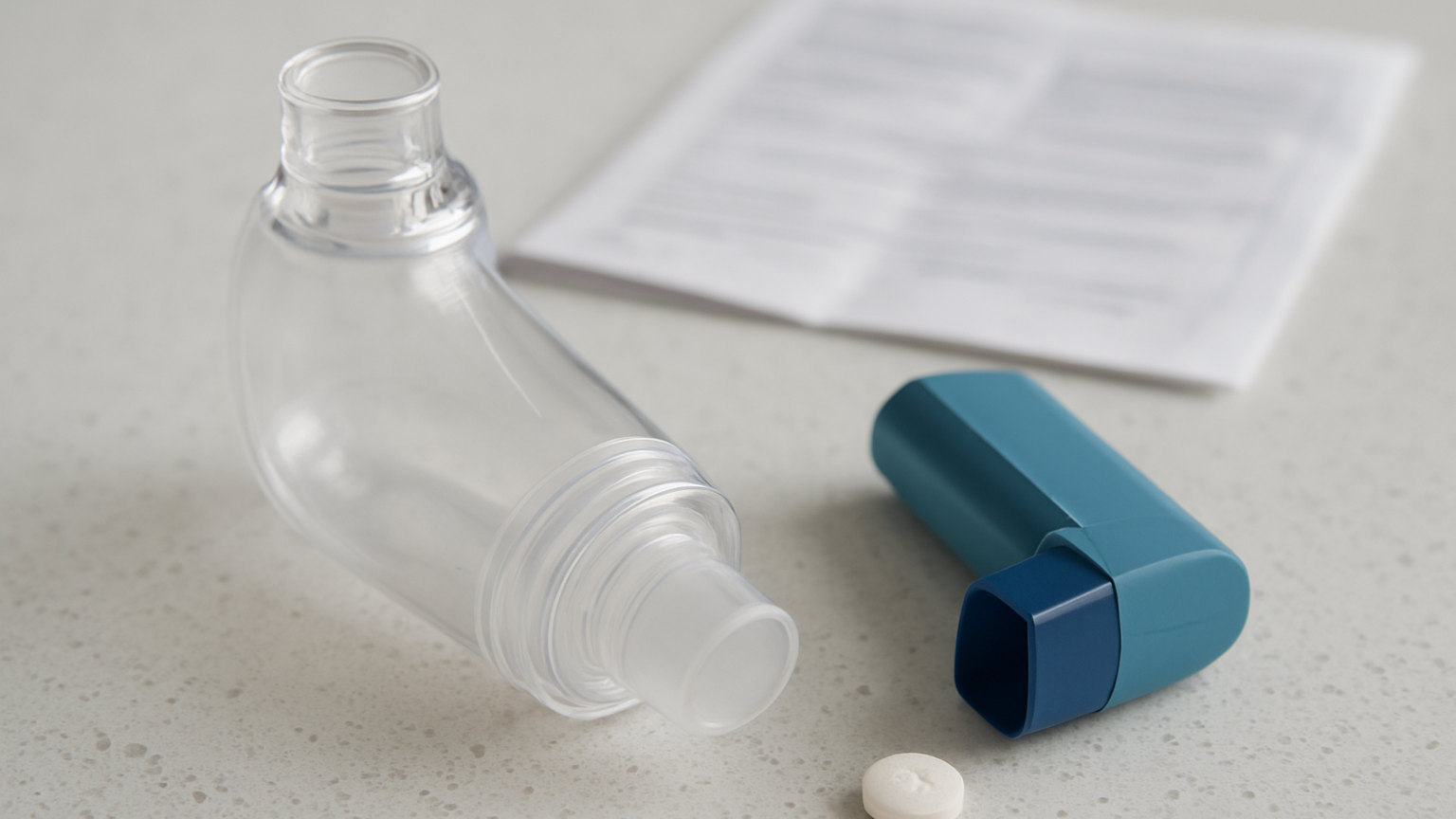
One opens the airways for a few hours and does nothing about the cause. The other treats the underlying inflammation and does nothing you can feel. Needing the first one more often is the warning sign that matters.
Being moved onto a second tablet feels like bad news. It usually is not. Blood pressure is controlled by several separate systems, and blocking two of them gently beats hammering one.
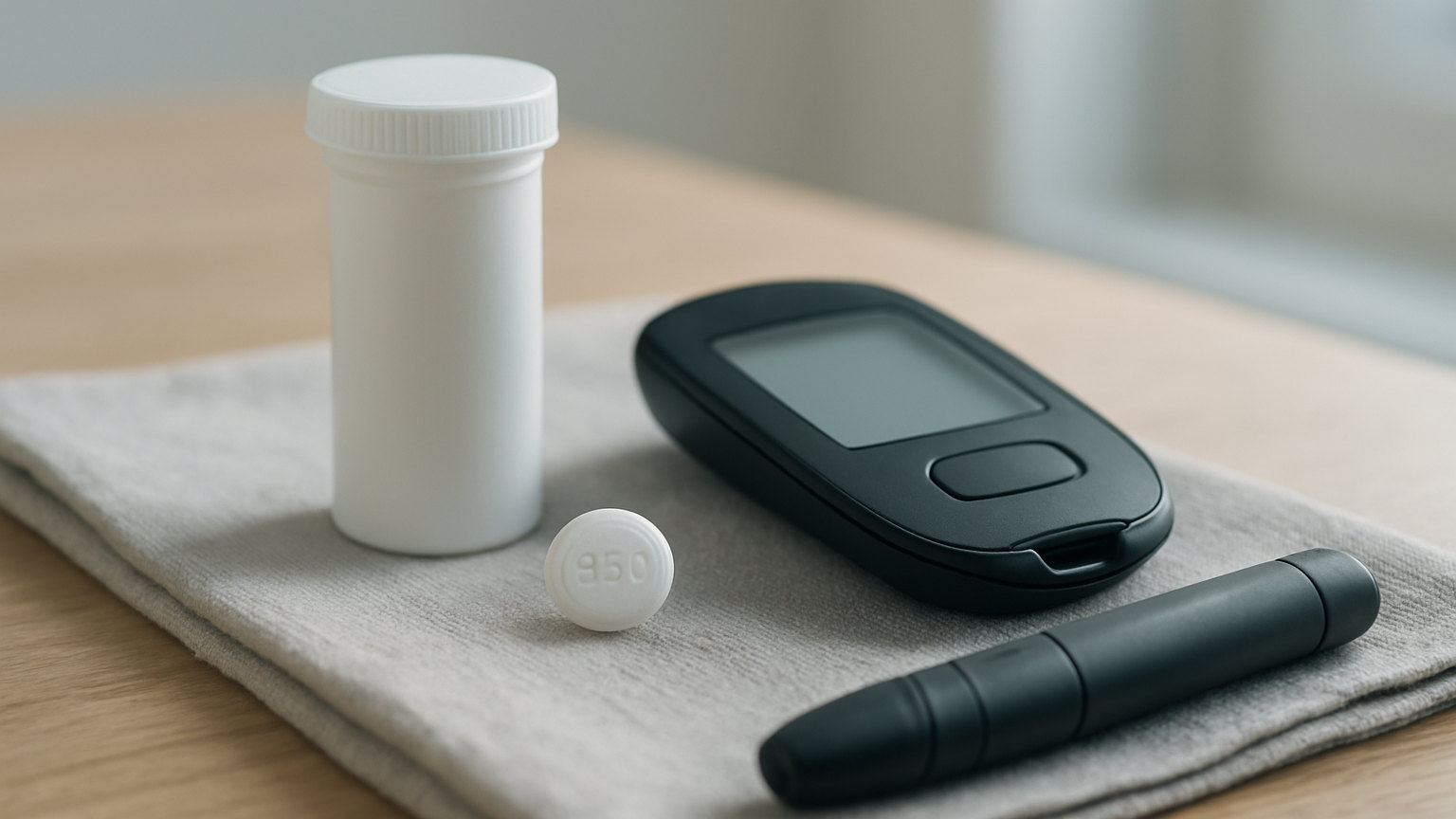
Digestive upset is the reason most people stop metformin, and it is usually the most avoidable. Most of it settles, and much of the rest responds to a change of formulation.
Antibiotics do not distinguish between the bacteria causing your infection and the ones keeping yeast in check. Clear the second group and something else takes the space.
Part of it is the drug and part of it is appetite returning as you recover. Separating the two matters, because only one of them is a reason to change the prescription.
Nerve pain is a signalling fault rather than tissue damage, so the drugs that work are ones borrowed from epilepsy and depression - which surprises almost everyone prescribed them.
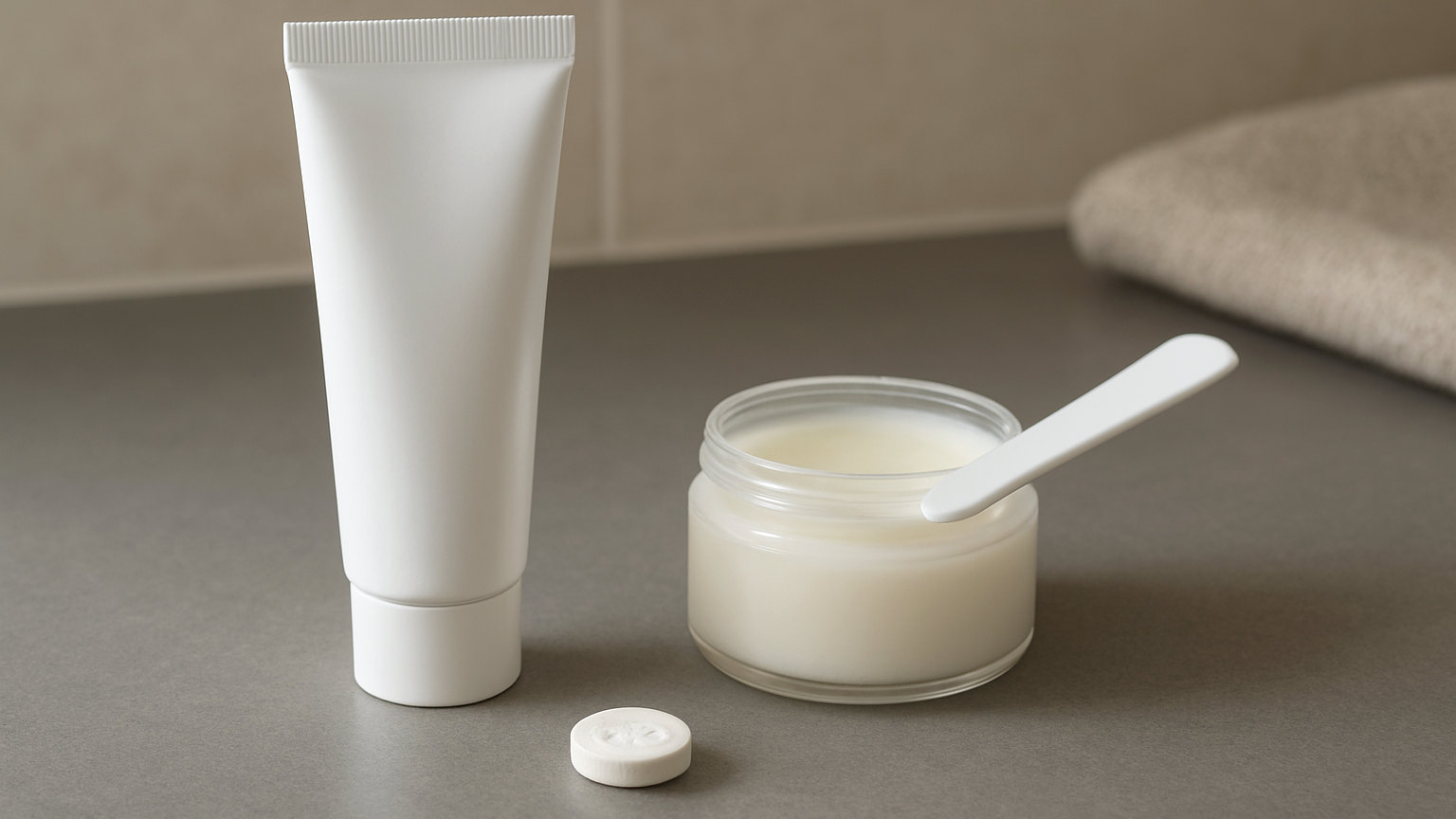
Skin absorbs very differently depending on where it is, which is why the same cream can be right on an elbow and wrong on an eyelid. Fear of these creams causes more problems than the creams do.
For most people the newer drugs have replaced warfarin, but not for everyone - and the reasons warfarin persists are specific rather than habit.
Deterioration usually announces itself for days before anything dramatic happens. Knowing what those early signals look like is most of the work.
Almost every acne treatment looks like it is failing at week four. Knowing the real timescale is the difference between a course that works and one that gets abandoned.
Not every diabetes medicine can cause one. Knowing whether yours can, and recognising the early signs, is the difference between a nuisance and an emergency.