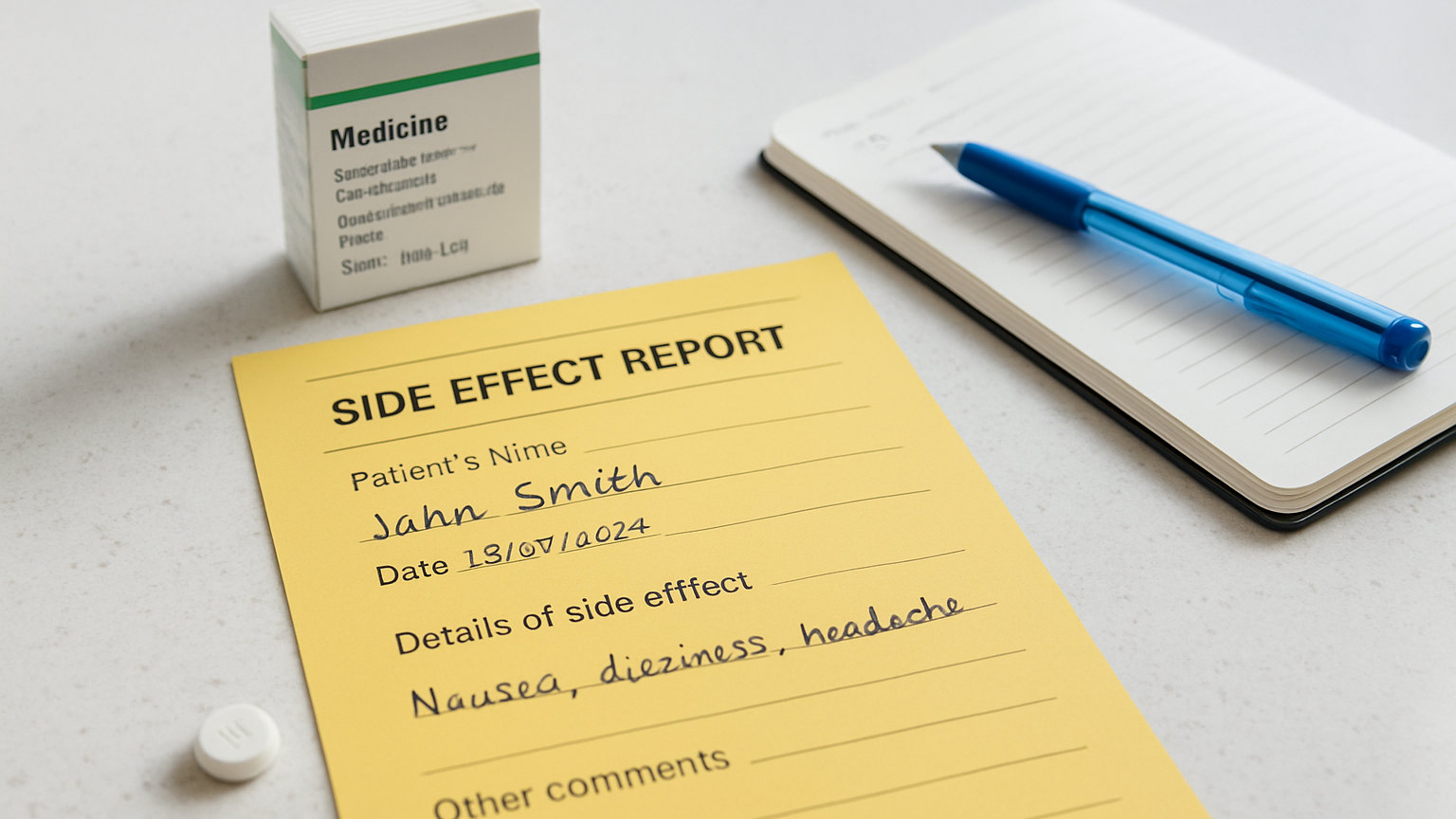
How the Yellow Card Scheme Works
Trials are too small and too short to find rare side effects. Almost everything we know about them comes from reports made after a medicine reaches the market - many by patients.
How the MHRA Yellow Card scheme works, why you do not need to be certain to report, and what happens to a report once it is made.
Trials are too small and too short to find rare side effects. Almost everything we know about them comes from reports made after a medicine reaches the market - many by patients.
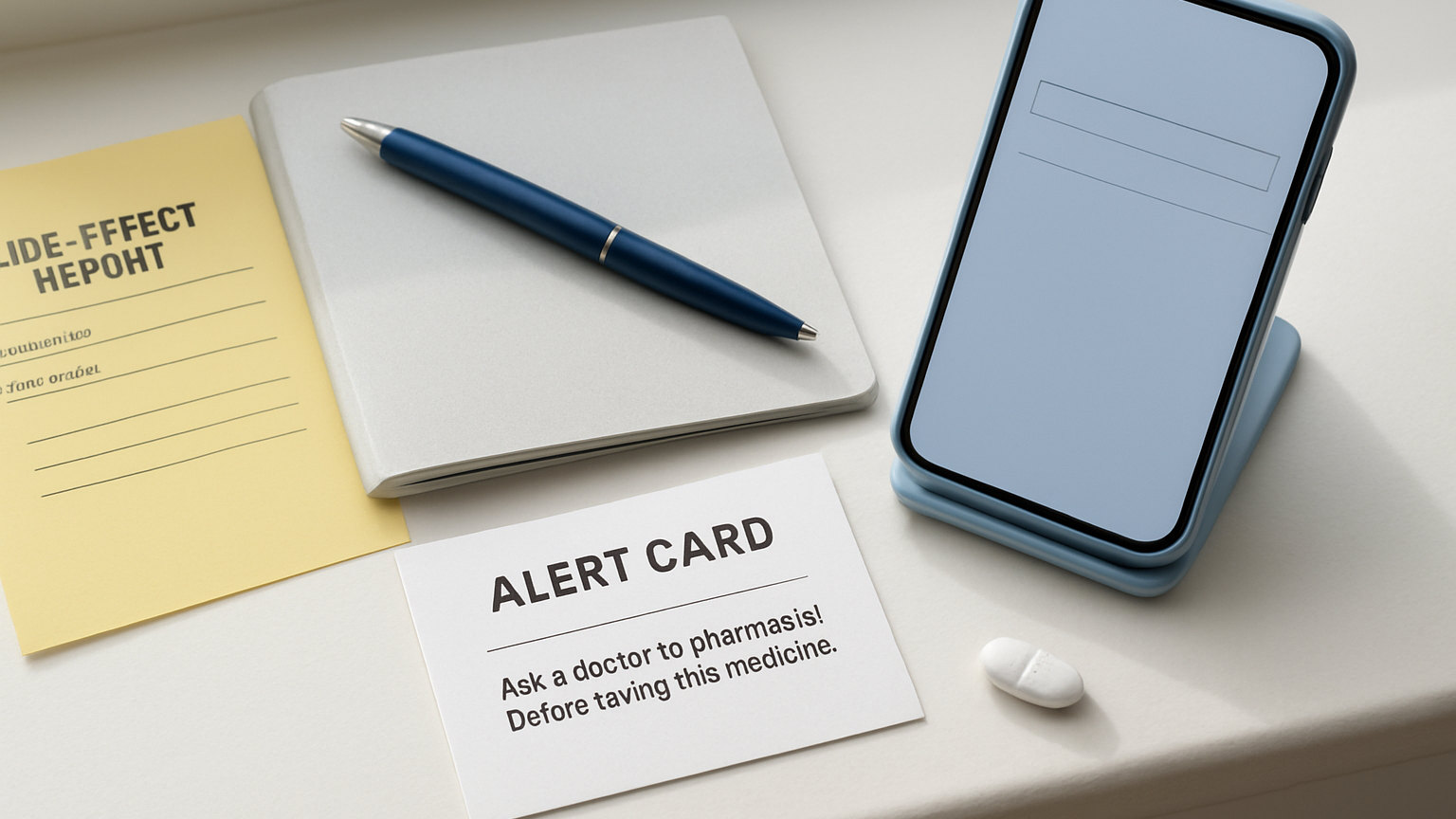
Four separate routes exist and they do completely different things. People often use the one that cannot help them and conclude nothing can be done.
People often read the symbol as a warning that something is unsafe. It means almost the opposite - that the safety picture is still being built, and your report contributes.
Most medicines given to children were licensed on adult data. That makes parent reports unusually valuable, and it makes off-label prescribing normal rather than a red flag.
Quality problems and counterfeits are reported through the same system as side effects, and the packaging is the evidence.
The commonest reason a side effect goes unreported in an older person is that everyone assumes it is just age.
Memory reconstructs, and it reconstructs in favour of whatever you already believe.
The scheme collects suspicions, not conclusions, and that distinction is what makes it work.
When a pen will not dial or a counter reads wrong, that is a reportable fault rather than bad luck.
The evidence gap exists because trials exclude pregnant women, so reports are much of what fills it.
Your report does not get answered. It gets counted, and that is the point.
The person best placed to notice a side effect is often not the person taking the medicine.