Medicines from a hospital reach you by several routes, and the charging rules differ between them in ways that surprise people. Inpatients pay nothing. Outpatients usually pay per item. Homecare deliveries are free. Knowing which situation you are in avoids both unexpected bills and unnecessary payments.
Inpatients
Medicines given during a hospital stay are free.
So are the discharge medicines you are sent home with - usually a short supply covering a week or two.
That is worth knowing, because the supply then runs out and your ordinary entitlement resumes. Someone discharged on several new items may suddenly face charges they did not have before.
If that applies, it is a good moment to check exemption or get a prepayment certificate.
See hospital and discharge medicines.
Outpatients
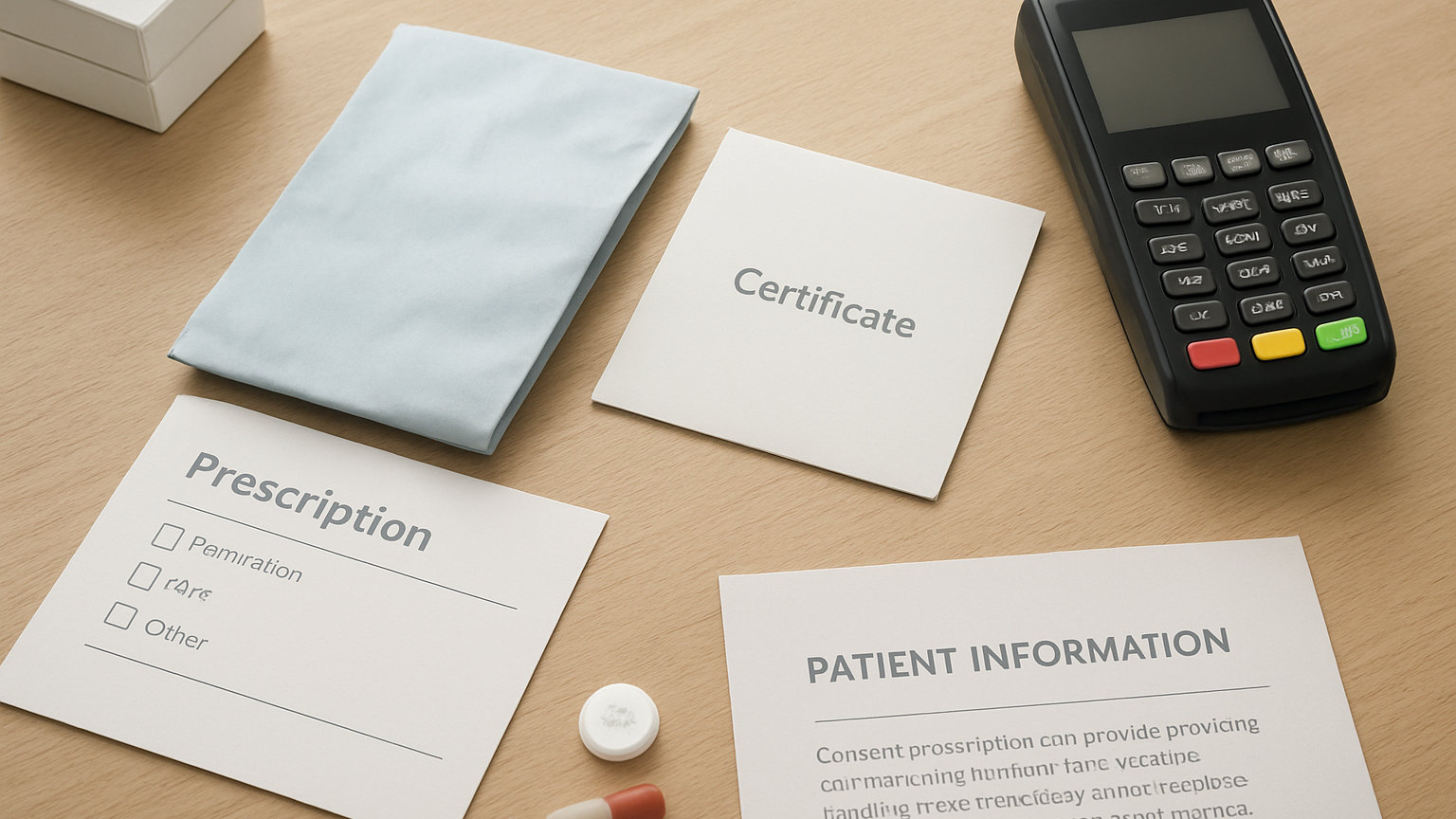
An outpatient prescription carries the standard charge per item, the same as one from a GP - and the same exemptions and prepayment certificates apply.
The practical difference is where it is dispensed. A prescription written on hospital stationery usually has to go to the hospital pharmacy rather than your usual community pharmacy, which can mean a wait on the day or a second trip.
Ask whether it can be converted to a prescription your own pharmacy can dispense - for some medicines it can, and for hospital-only medicines it cannot.
Bring your exemption certificate or prepayment details with you, since the hospital pharmacy will ask.
See prescriptions from a hospital clinic.
A and E and urgent care
Treatment given in the department is free.
A prescription to take away carries the standard charge unless you are exempt.
Some departments supply a short course directly rather than issuing a prescription, in which case there is no charge - which is why experiences differ between hospitals.
Homecare deliveries
Biologics and several specialist treatments are supplied by homecare companies commissioned by the hospital and delivered to your door.
These are free to you. They are funded through the hospital rather than the prescription charge system, so no item charge applies - which is a substantial saving on treatments that are extremely expensive.
Two things worth doing: make sure these medicines appear on your own medicines list, since homecare items are frequently absent from both the GP and hospital records; and order well ahead, since they are not available locally at short notice.
See deliveries, cold chain and missed parcels.
Red, amber and green
Which route you end up on is decided by the local formulary classification.
Red medicines are hospital-only, so they come through the hospital or a homecare service indefinitely - and are therefore free or dispensed by the hospital pharmacy.
Amber medicines are started by the specialist and continued by the GP under a shared care agreement - at which point they become an ordinary prescription with the ordinary charge.
Green medicines the GP prescribes normally.
So a medicine that was free while the hospital prescribed it can start carrying a charge when care transfers, with nobody explaining why.
Things that have their own charges
Wigs and fabric supports - surgical brassieres, abdominal or spinal supports - carry set fees rather than the prescription charge. Hospital inpatients are exempt.
Dental treatment in a hospital by a hospital dentist is free for inpatients, and outpatient dental treatment follows the dental banding rules.
Travel to hospital may be refundable under the Healthcare Travel Costs Scheme if you are on a qualifying benefit or hold an HC2 or HC3 certificate. Claim on the day at the hospital, with receipts and proof of entitlement - it is one of the most consistently unclaimed schemes there is, particularly by people attending frequently for dialysis, chemotherapy or antenatal care.
See dental, eye and other health costs.
If you are unsure at the counter
The same rule applies everywhere: pay and ask for an FP57 receipt at the time, then claim a refund if it turns out you were entitled.
An FP57 cannot be issued afterwards.
Claiming exemption incorrectly results in a penalty charge, and the commonest cause is a certificate that has expired.
See prescription penalty charges.
Private and cross-border care
Two situations that fall outside all of the above.
A private hospital prescription is a private prescription: you pay the full cost of the medicine plus a dispensing fee, and exemption and prepayment certificates do not apply. Prices vary considerably between pharmacies, so it is reasonable to ring round.
And if you live in Wales or Scotland but attend an English hospital, the rule is where the prescription is dispensed - so an English hospital pharmacy will charge you. Ask whether the prescription can be sent to your own pharmacy instead. See private prescriptions.
Worth checking
If you are attending hospital regularly and paying for several items, a prepayment certificate covers unlimited items for a fixed fee and pays for itself quickly.
Cancer and its treatment qualify for a medical exemption certificate, which a great many people undergoing treatment never apply for.
See is a prepayment certificate worth it and medical exemption certificates.
Related reading: Who Gets Free NHS Prescriptions?, with more on prescriptions and pharmacy services in Prescriptions.