What Does "Take With Food" Actually Mean?
Some instructions protect your stomach, some control how much of the drug is absorbed, and only the second kind will actually change how well your medicine works. Knowing which is which is the useful part.
The practical half of the problem. Not what the medicine does, but the ordinary questions that come up at nine in the evening when the leaflet does not cover them: does this need food, what happens if I forgot yesterday, can I keep it in the bathroom, and can I fly with it. Where the honest answer is "it depends on the medicine", we say so.
Some instructions protect your stomach, some control how much of the drug is absorbed, and only the second kind will actually change how well your medicine works. Knowing which is which is the useful part.
There is no universal answer - it depends on the drug and on how late you are. But there is a near-universal rule about not doubling up, and a short list of medicines where a missed dose warrants a phone call.
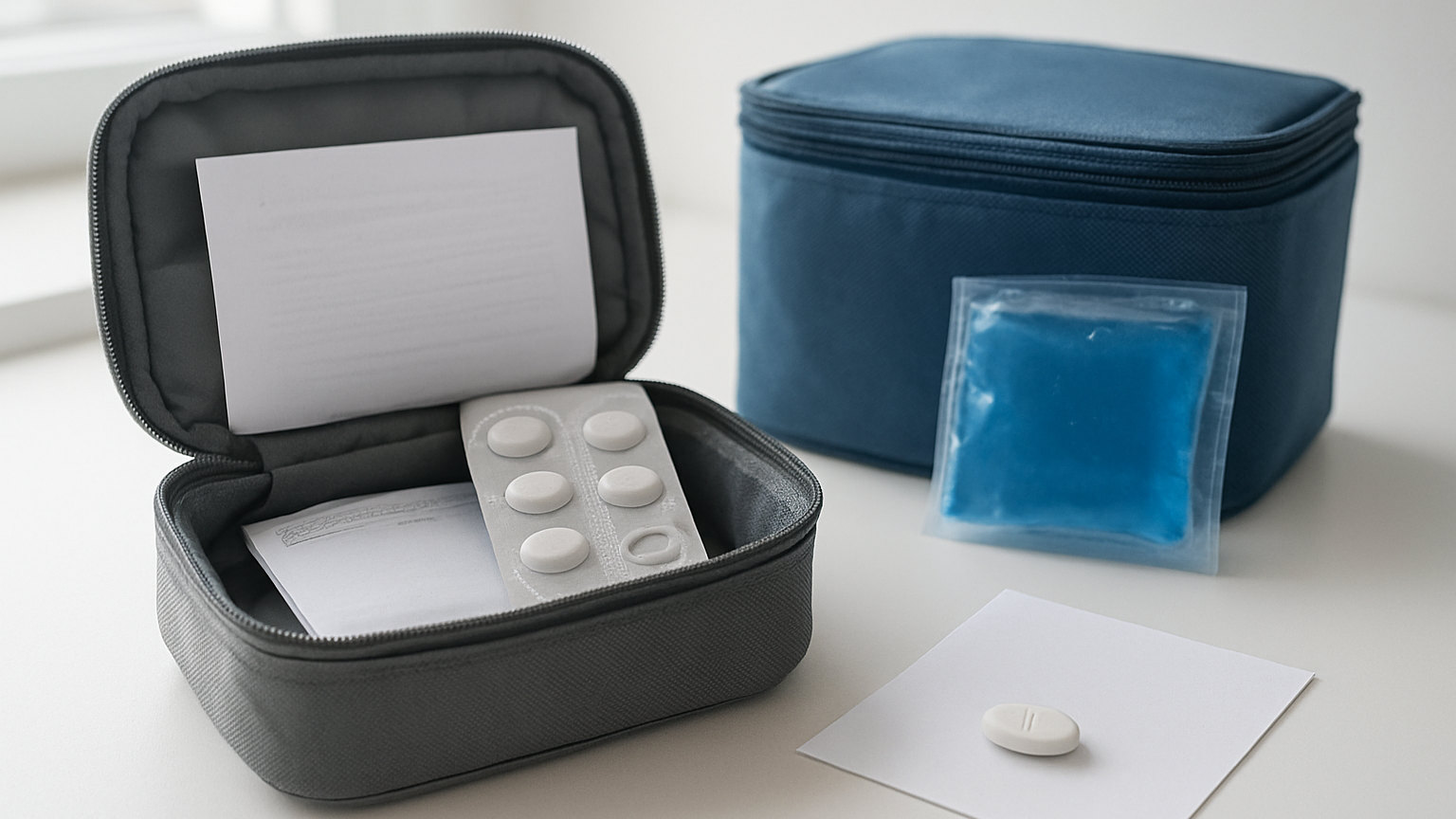
Hold luggage goes missing and freezes. Some ordinary UK prescriptions are criminal offences elsewhere. Both problems are avoidable with a fortnight's notice and about twenty minutes of preparation.
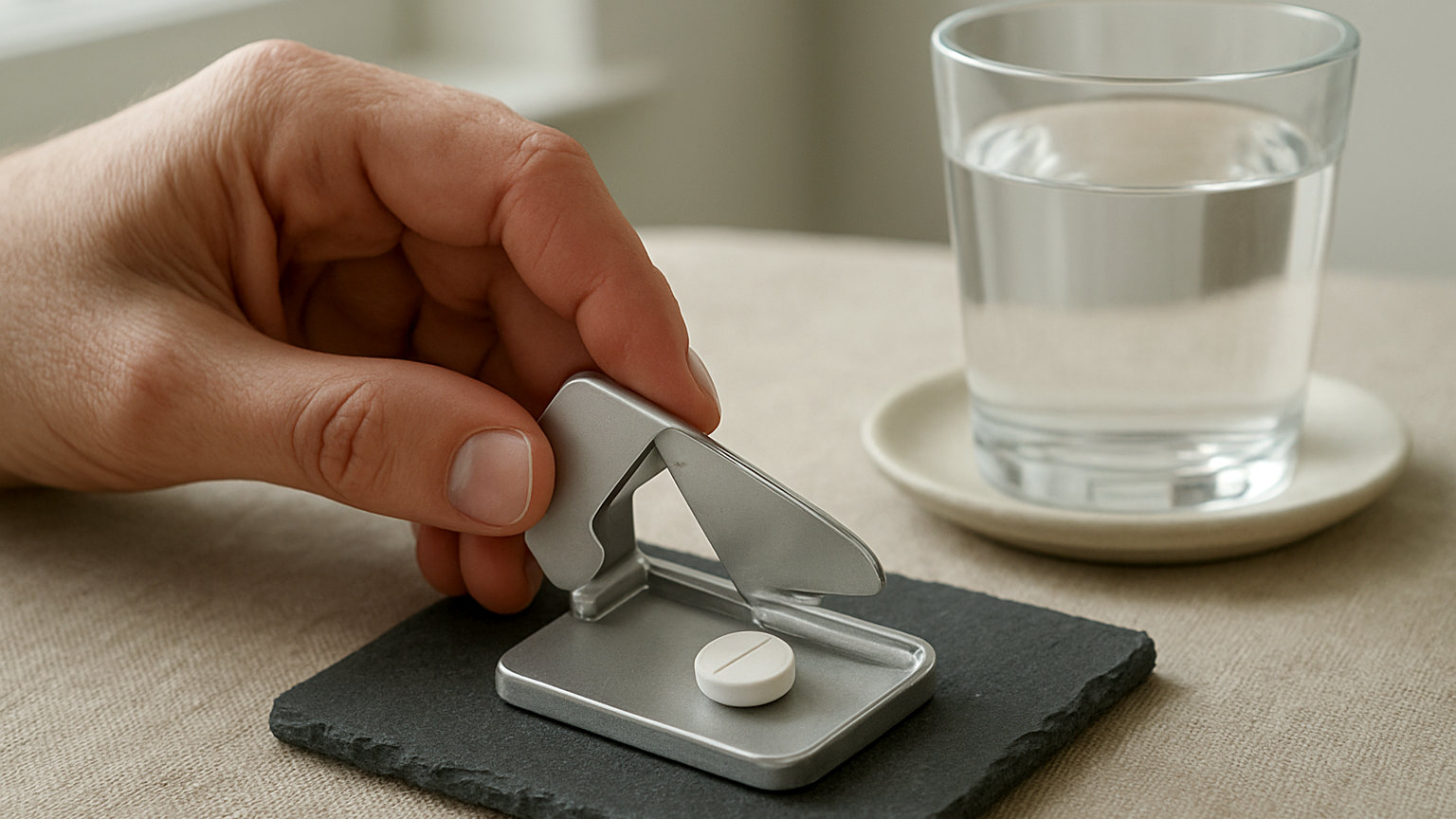
A score line is not a general permission, and some coatings are the only thing stopping a whole day's dose arriving in one go. There is a simple way to check.
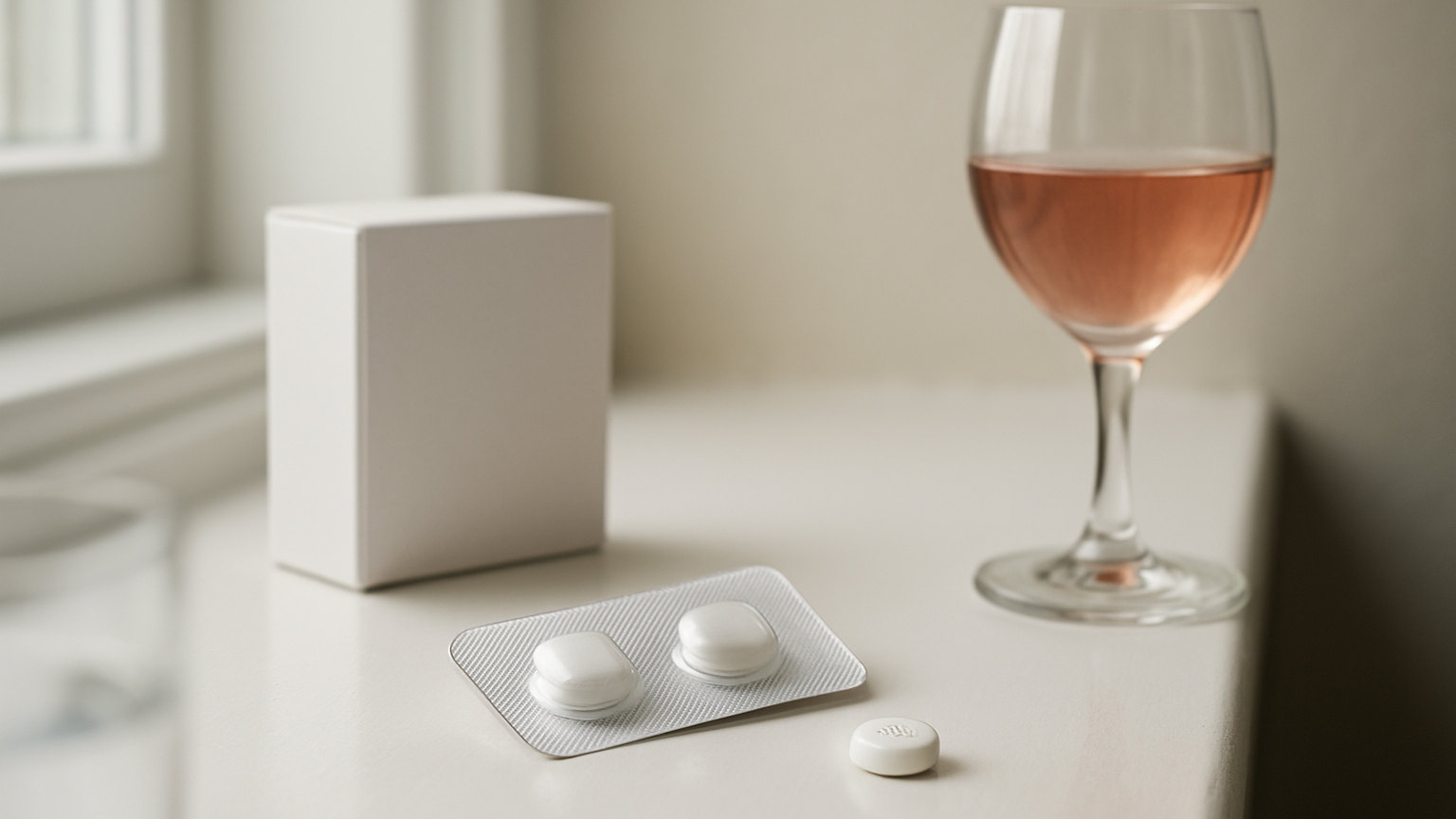
The blanket warning on the leaflet covers three very different situations, and only one of them is a genuine hard stop. Knowing which yours is makes the answer useful.
Two of the three places people habitually keep medicines are the worst available. Heat and humidity degrade them invisibly, so a tablet can look fine and have lost potency.
Every pharmacy takes back unwanted medicines free of charge. The bin and the toilet are both worse than they look, and passing them to a friend is worse than either.
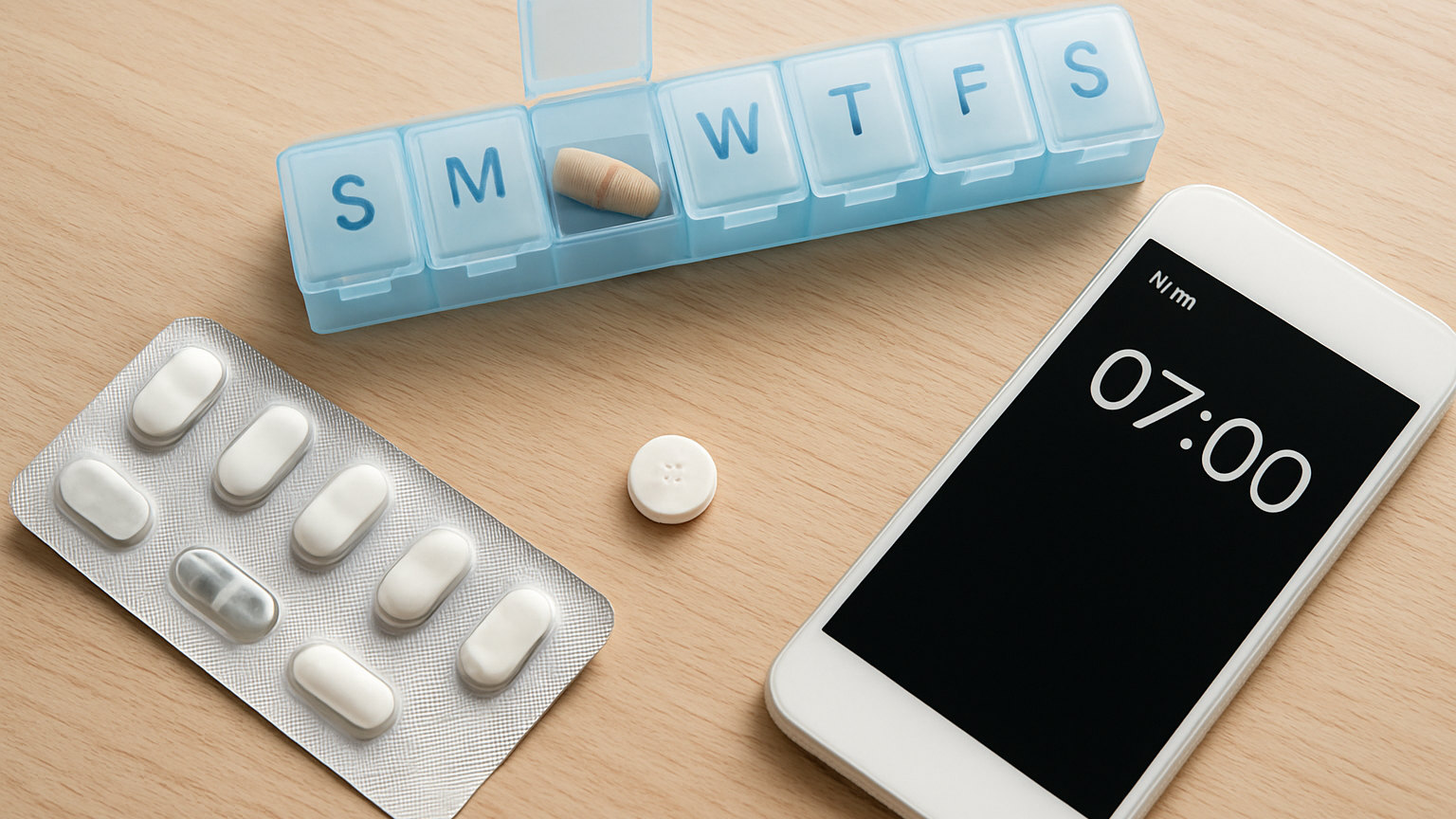
Around half of people on long-term medicines do not take them as intended. Almost none of it is carelessness, and almost all of it responds to changing the system rather than trying harder.
Two separate problems arrive with a heatwave: what the heat does to your medicines, and what your medicines do to your ability to cope with heat.
An illness that leaves you dehydrated changes how several common medicines behave. A short, agreed list of what to pause is one of the most useful things to have.
A used needle in a bin bag is a genuine injury risk to whoever handles it next. Getting a proper bin is usually free and easier than people assume.
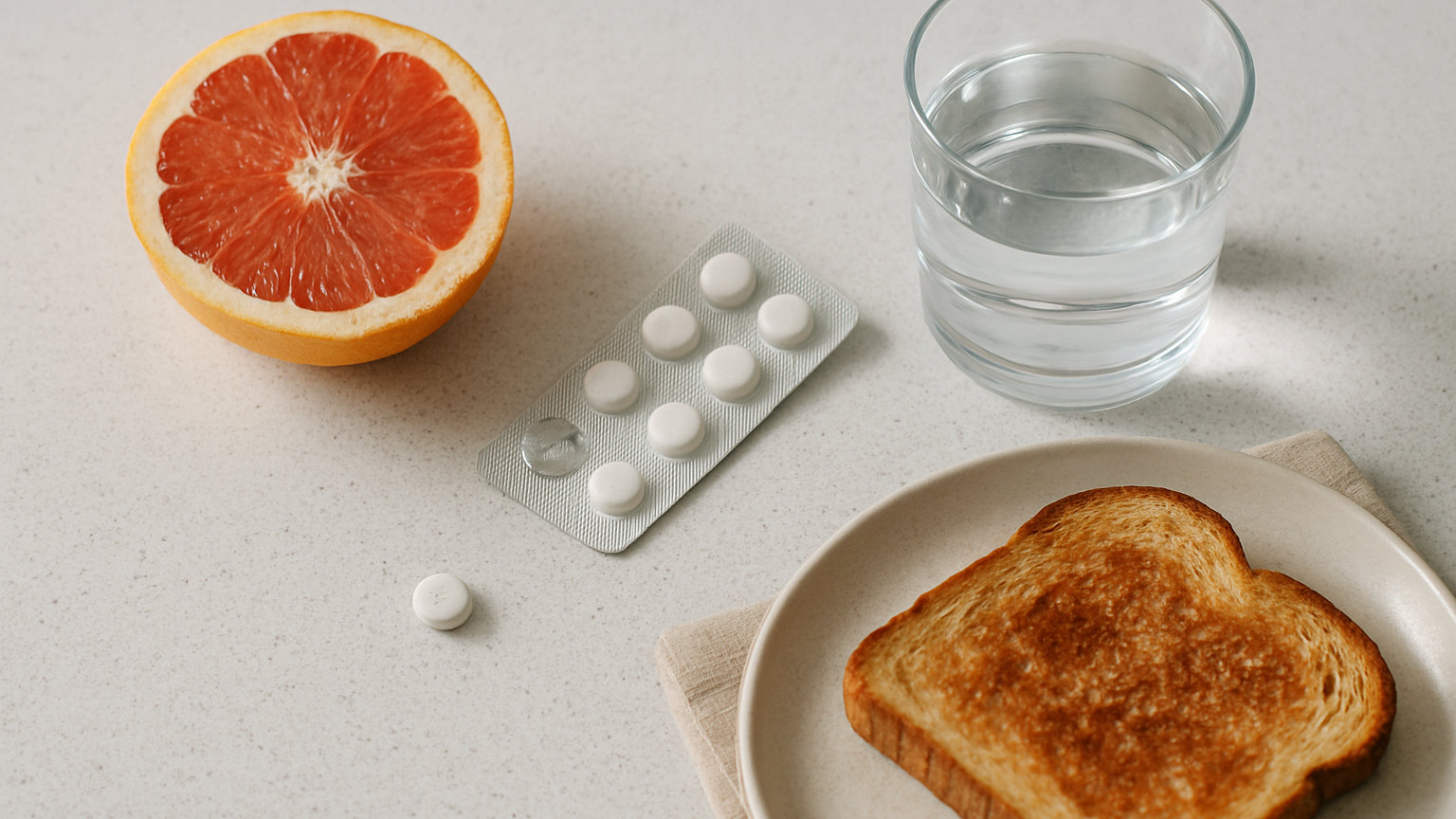
It is not a folk myth and it is not about acidity. Grapefruit disables an enzyme in your gut wall, and the effect outlasts any attempt to space it out.