Medicine Allergy or Side Effect? How to Tell
Around nine in ten people labelled penicillin-allergic turn out not to be. The label follows you for decades and pushes you onto second-choice antibiotics, so it is worth getting right.
The difference between an allergy, an intolerance and a side effect, why the distinction matters on your record, and recognising anaphylaxis.
Around nine in ten people labelled penicillin-allergic turn out not to be. The label follows you for decades and pushes you onto second-choice antibiotics, so it is worth getting right.
It is one of the most consequential lines on your medical record, it is usually wrong, and almost nobody is ever offered the chance to have it checked.
Timing, distribution and what else is happening tell you far more than the rash itself. Two features in particular turn a nuisance into an emergency.
The active ingredient is rarely the whole story. Fillers, coatings, capsule shells and preservatives all come from somewhere, and occasionally from something you react to.
Most recorded drug allergies are wrong, and there is a process for finding out which.
A recorded allergy often shuts off far more than it needs to, and the boundaries are more specific than they look.
A recognisable pattern - asthma, nasal polyps and a bad reaction to ibuprofen - that many people have without knowing it has a name.
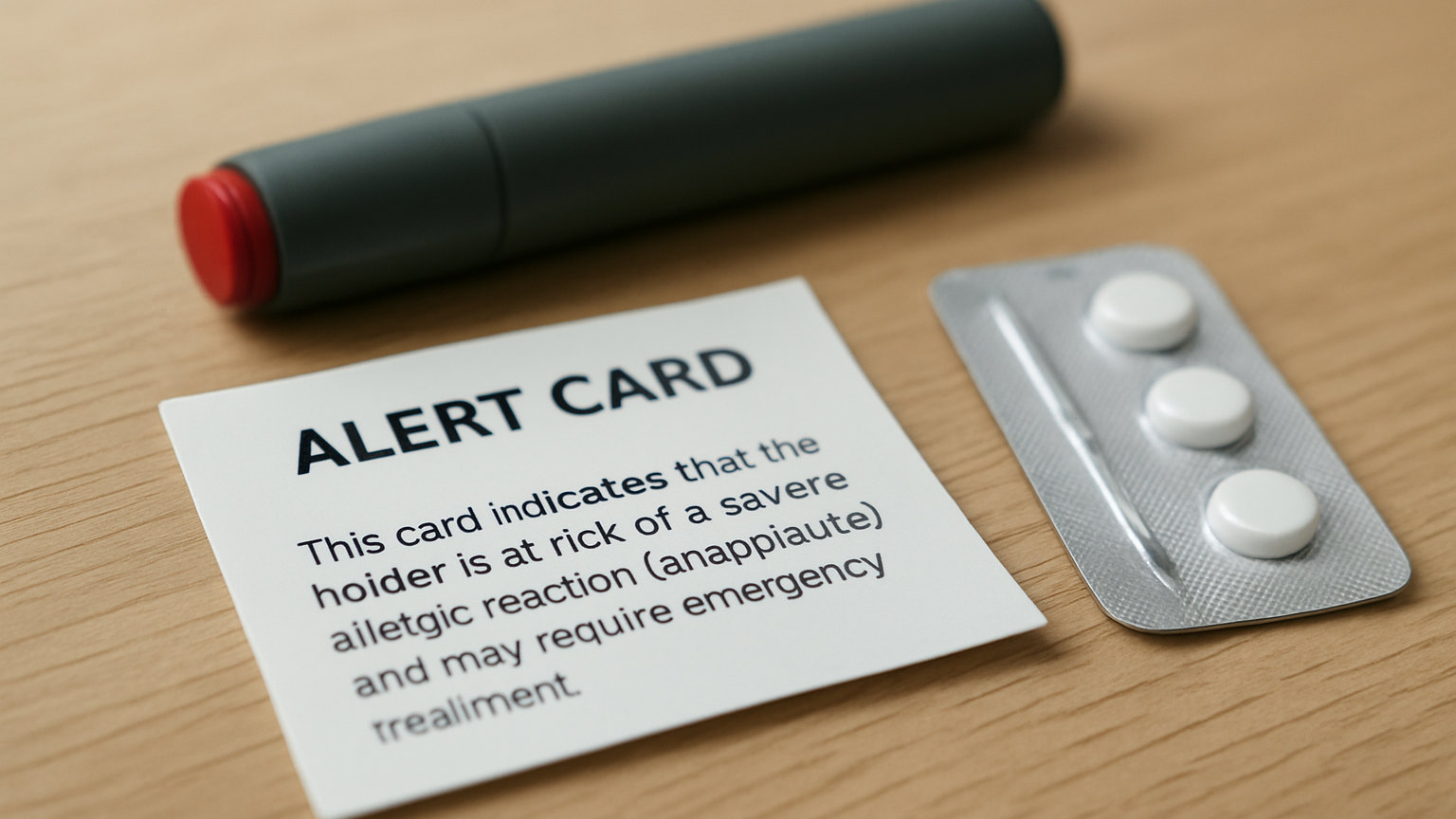
Small pieces of card that change what happens to you in the first ten minutes.
Several things are given at once, and the one everyone blames is frequently not the culprit.
An entry saying only penicillin - allergy is close to useless, and it follows you for life.
Food proteins turn up in medicines, and the honest answer is more reassuring than most people expect.
Sometimes there is no alternative, and the answer is a supervised procedure rather than going without.