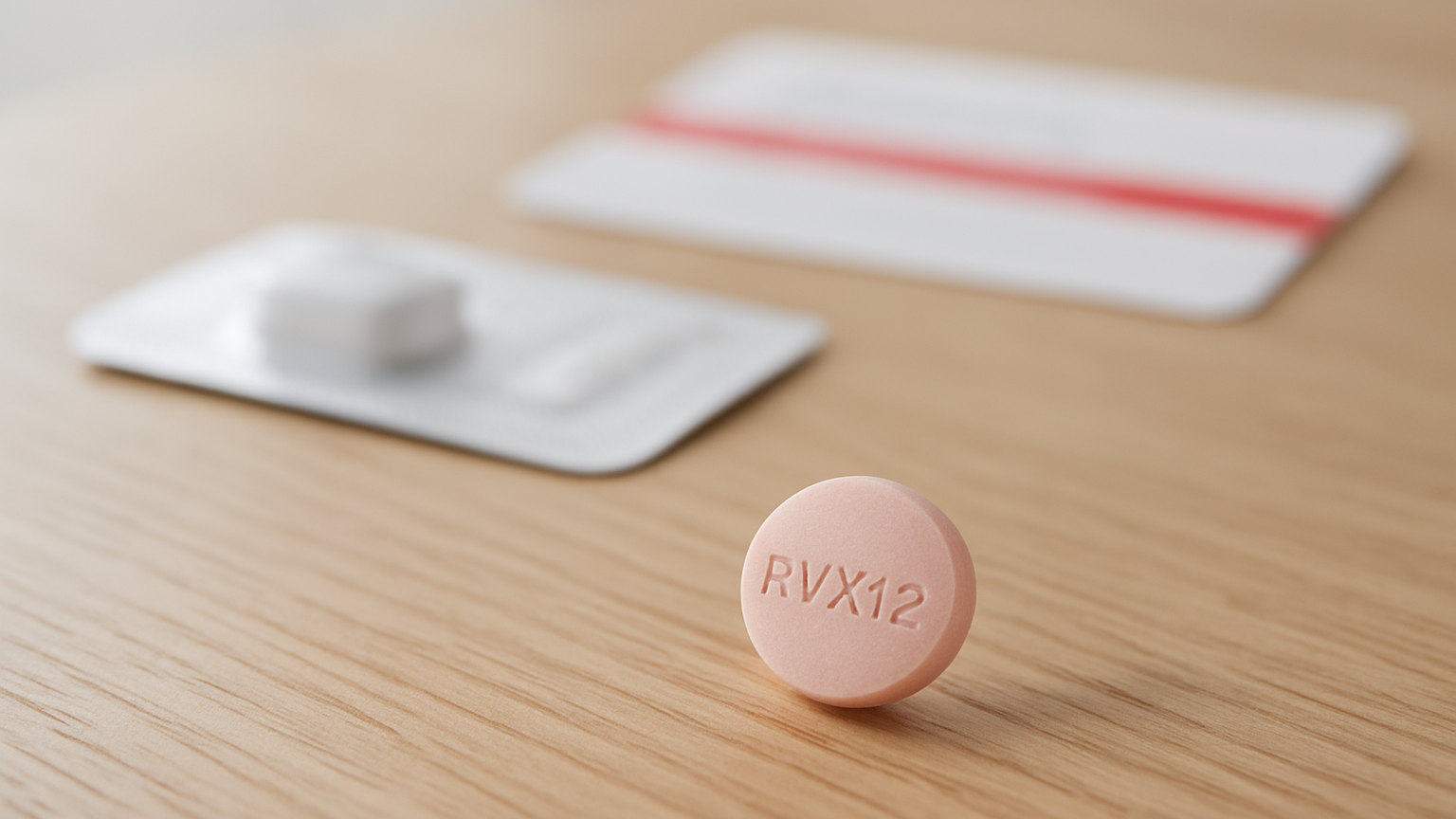
Why Blood Pressure Needs More Than One Tablet
Being moved onto a second tablet feels like bad news. It usually is not. Blood pressure is controlled by several separate systems, and blocking two of them gently beats hammering one.
Medicines used in high blood pressure, angina, heart failure, atrial fibrillation and after a heart attack, and why several are usually prescribed together.
Being moved onto a second tablet feels like bad news. It usually is not. Blood pressure is controlled by several separate systems, and blocking two of them gently beats hammering one.
For most people the newer drugs have replaced warfarin, but not for everyone - and the reasons warfarin persists are specific rather than habit.
It works within minutes by widening blood vessels - which is also why it can drop your blood pressure sharply. Sitting down first is not a minor detail.
Several of these make you feel slightly worse before better, which is the opposite of what people expect from a medicine - and the reason the build-up is deliberate.
Two separate problems get treated at once, and people frequently assume the tablet for one is also handling the other. It is not.
No INR clinic and no diet restrictions is the selling point. The trade-off is that there is no test telling anyone whether you have been taking it.
In heart failure it improves survival and often makes people feel worse for the first few weeks. Both things are true and both need saying.
An indigestion tablet bought in a supermarket can quietly reduce how well it works, and nothing about that is noticeable.
The advice is consistency, not avoidance. Steady amounts of green vegetables are easier to work around than none at all.
The oddly spaced doses are deliberate. Take it evenly through the day and within a week it stops working.
Clear benefit if you have already had an event, and a finely balanced one if you have not. The advice changed for good reasons.
Taken on an empty stomach at treatment doses, a substantial part of the dose is simply not absorbed.