Where Should You Actually Keep Your Medicines?
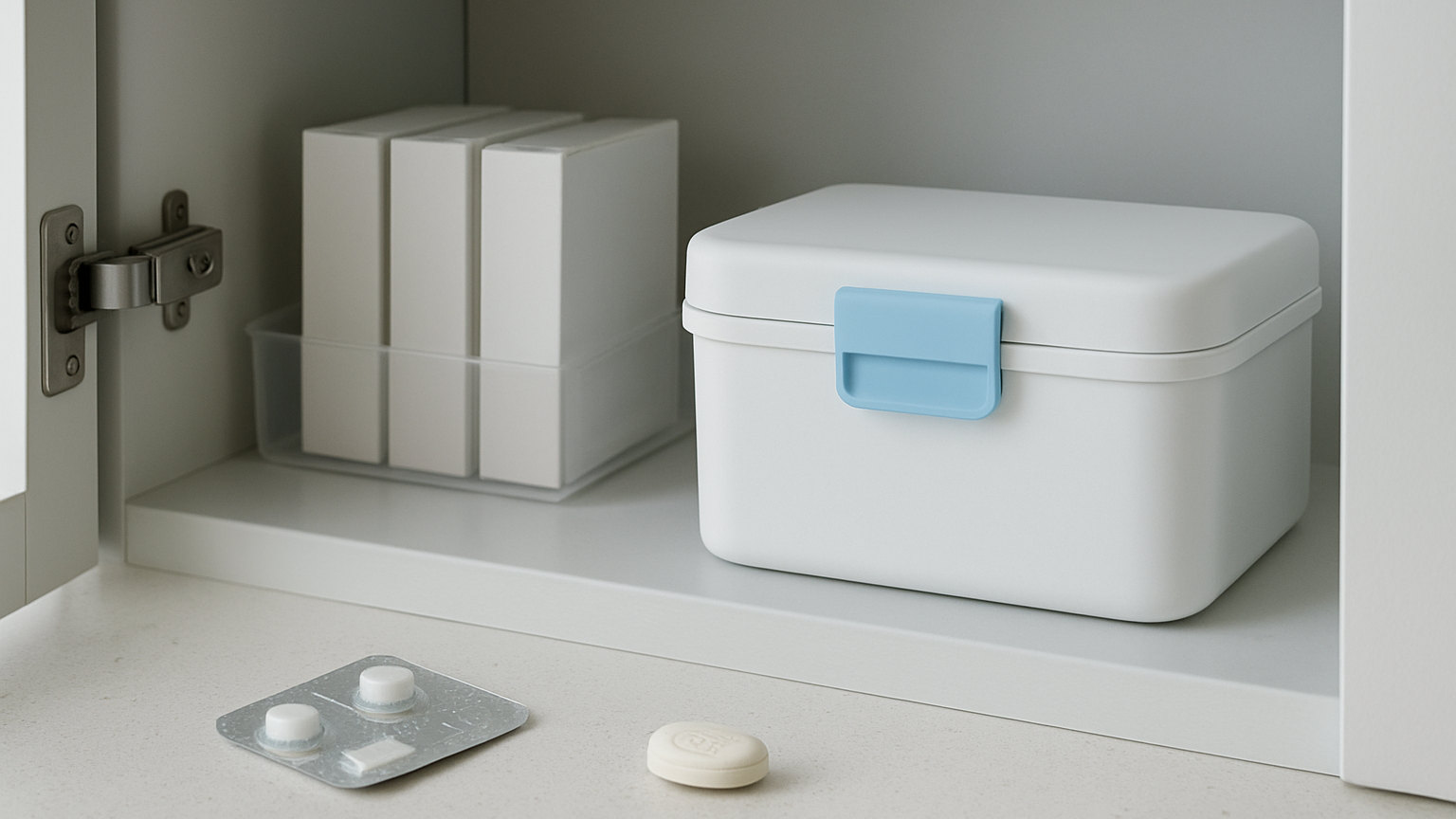
Two of the three places people habitually keep medicines are the worst available. Heat and humidity degrade them invisibly, so a tablet can look fine and have lost potency.
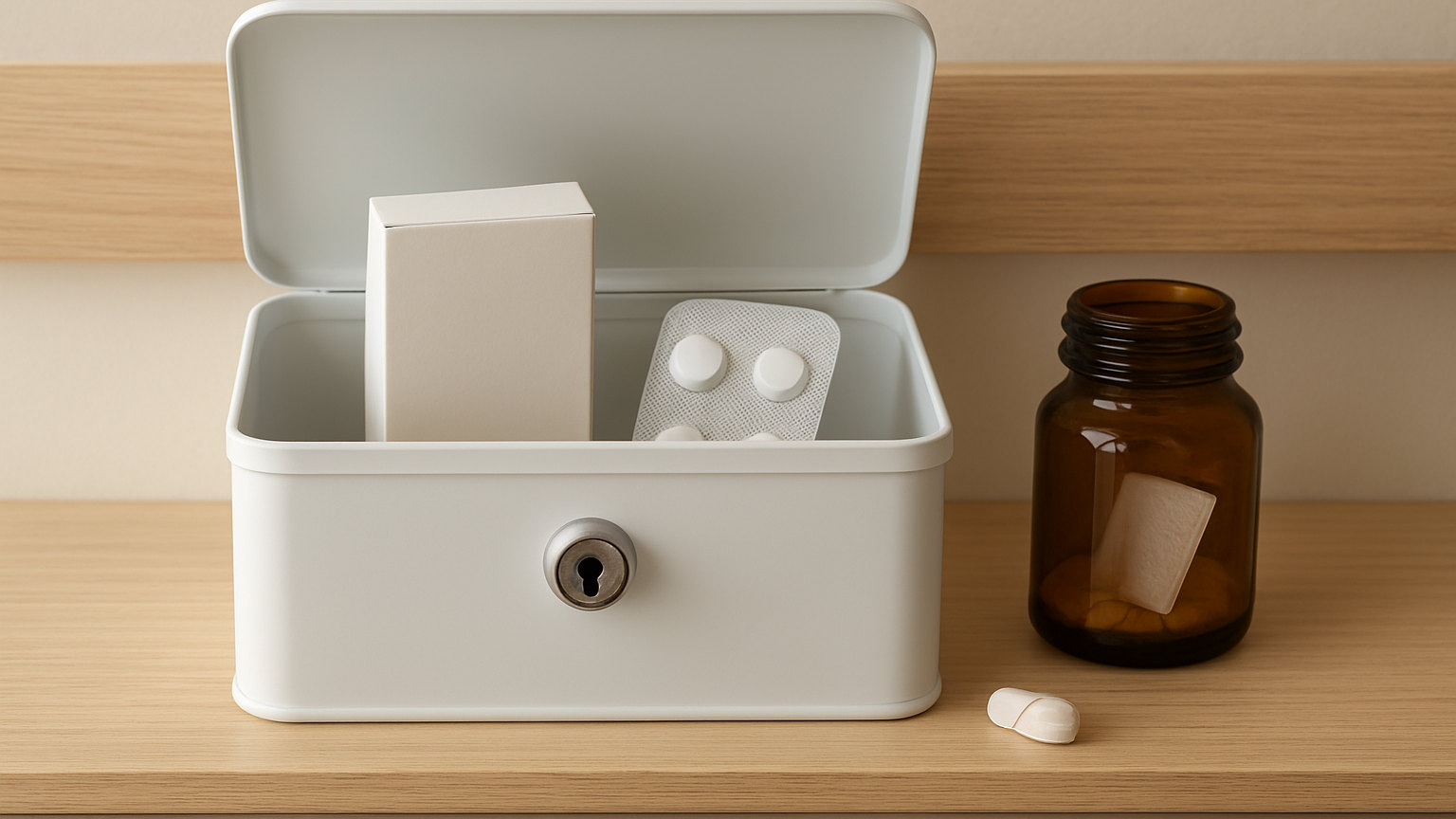
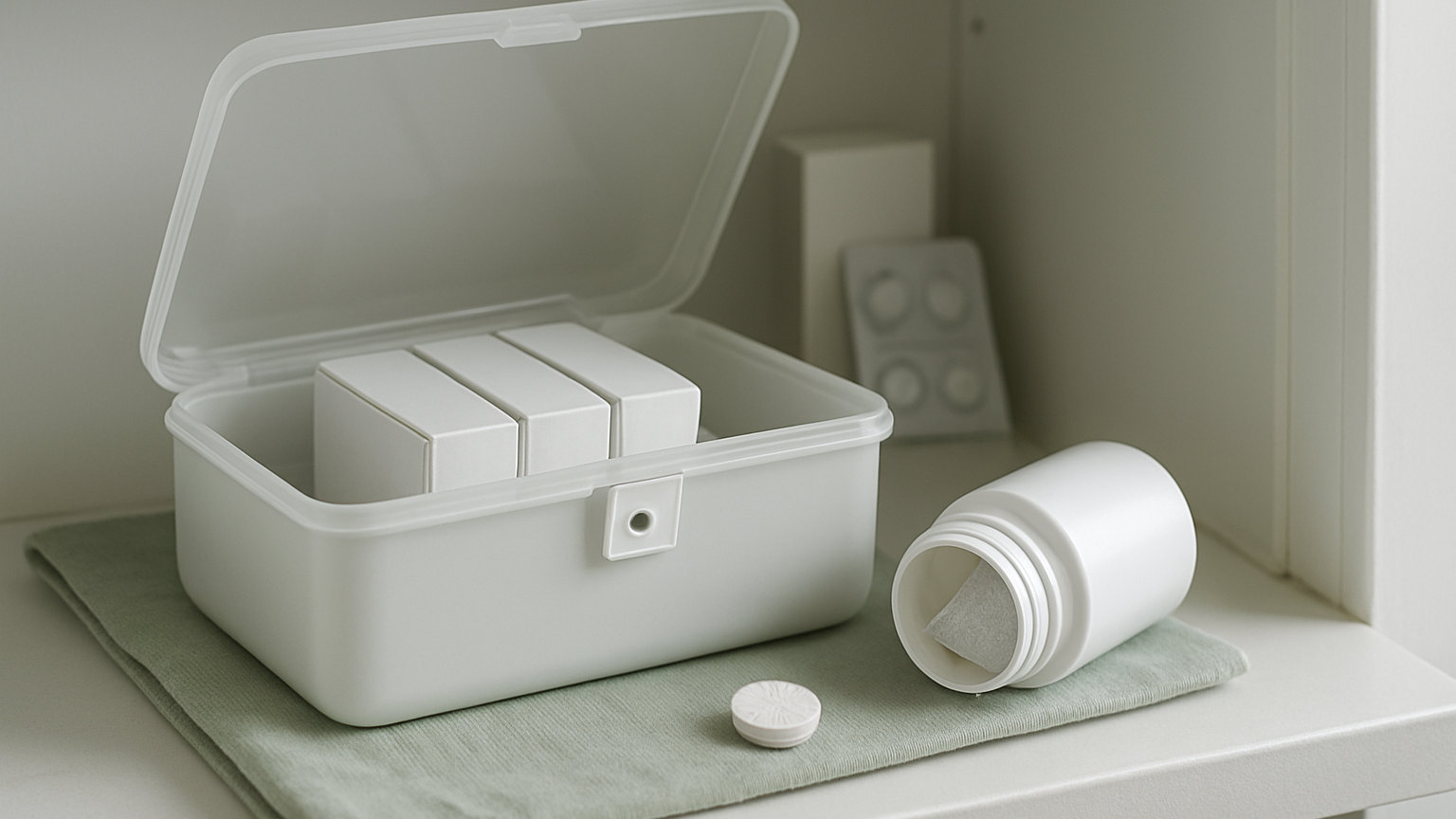
Heat, damp and sunlight, why the bathroom cabinet is the wrong place, what needs a fridge, and keeping medicines away from children.
Two of the three places people habitually keep medicines are the worst available. Heat and humidity degrade them invisibly, so a tablet can look fine and have lost potency.
Two separate problems arrive with a heatwave: what the heat does to your medicines, and what your medicines do to your ability to cope with heat.
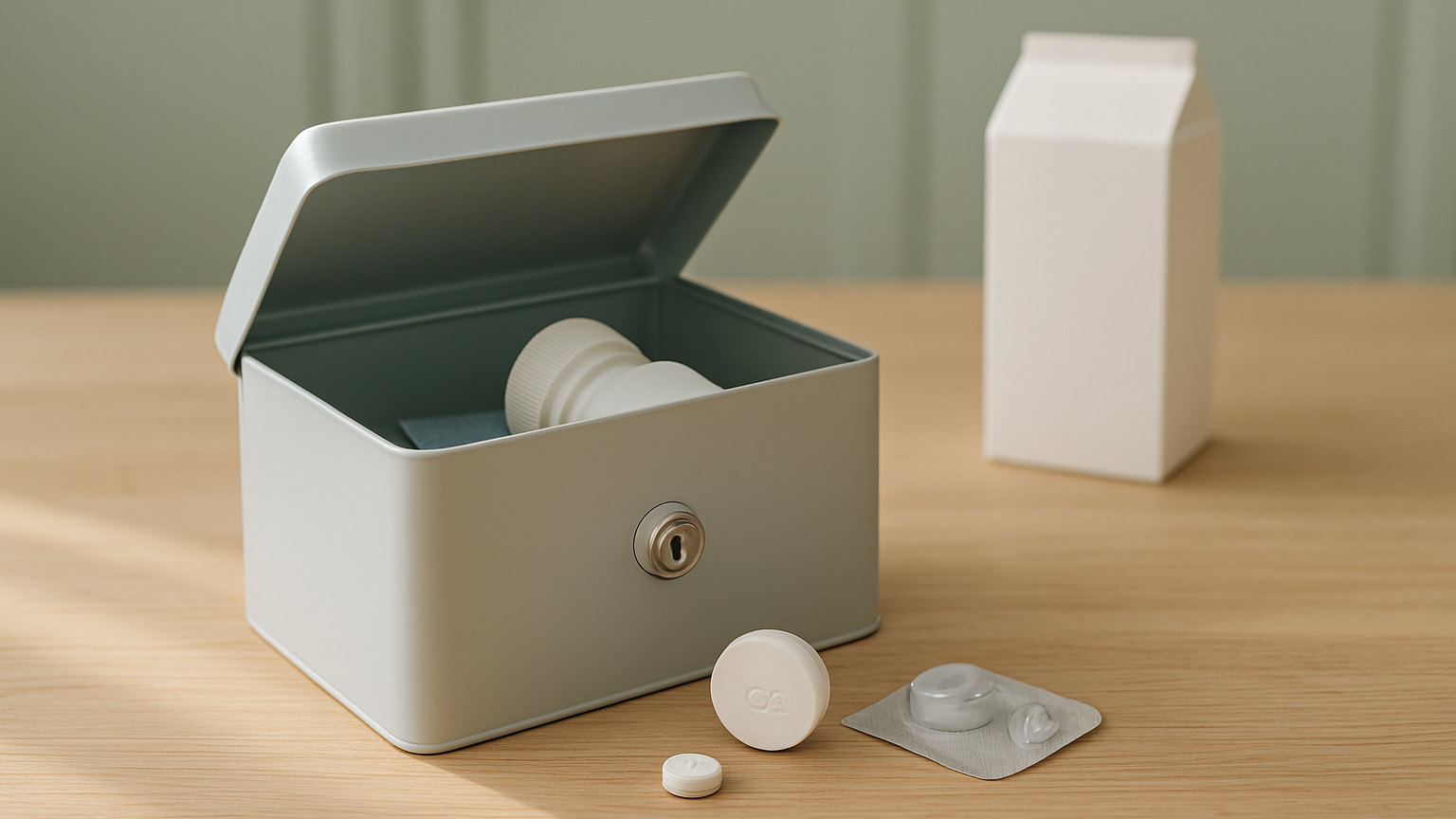
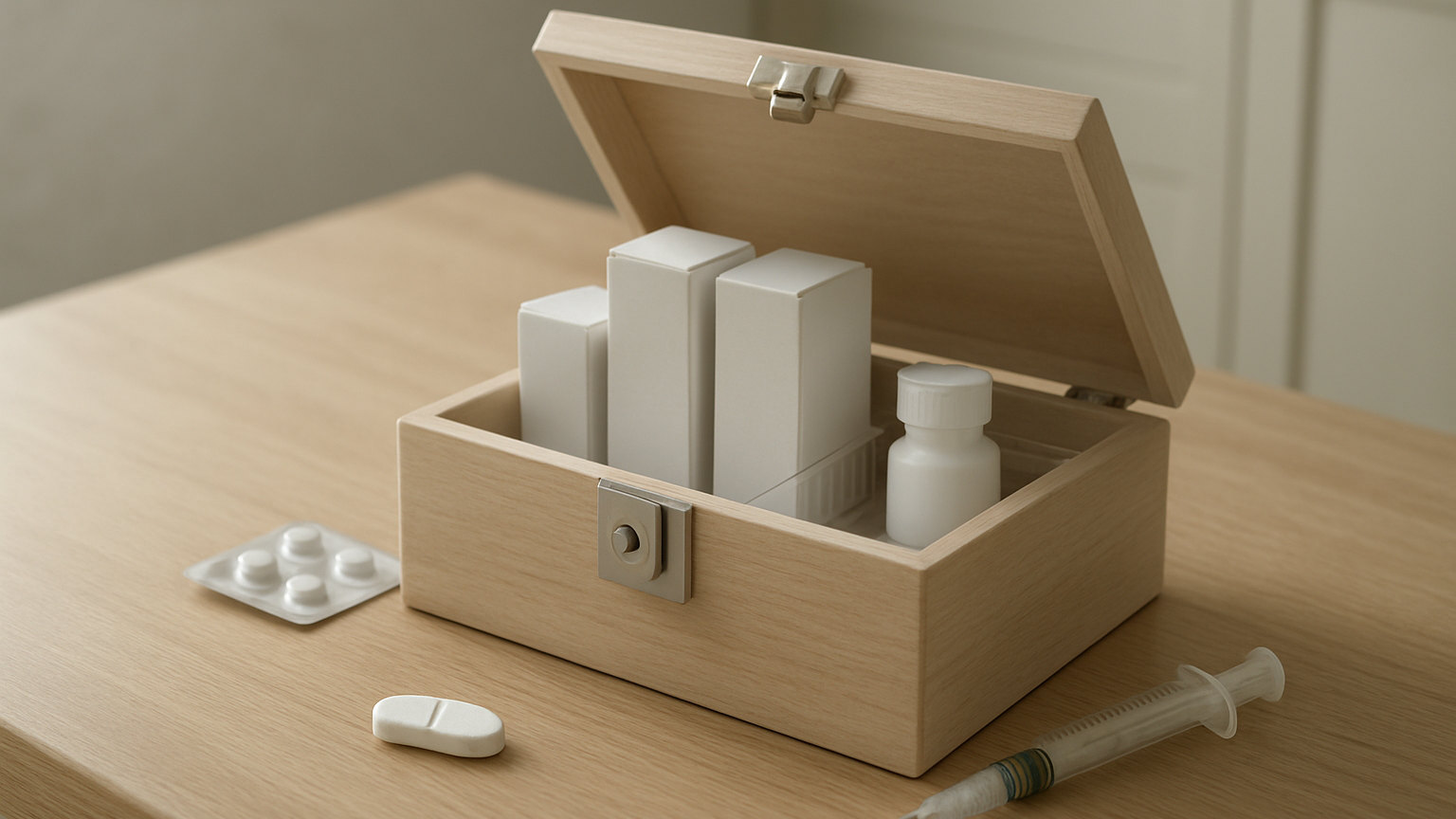
Child-resistant is not child-proof, and the medicine involved usually belongs to an adult rather than the child. A visitor's handbag is one of the commonest routes.
The date is a guarantee rather than a cliff edge. But for a small group of medicines - the ones you reach for in an emergency - it matters a great deal.
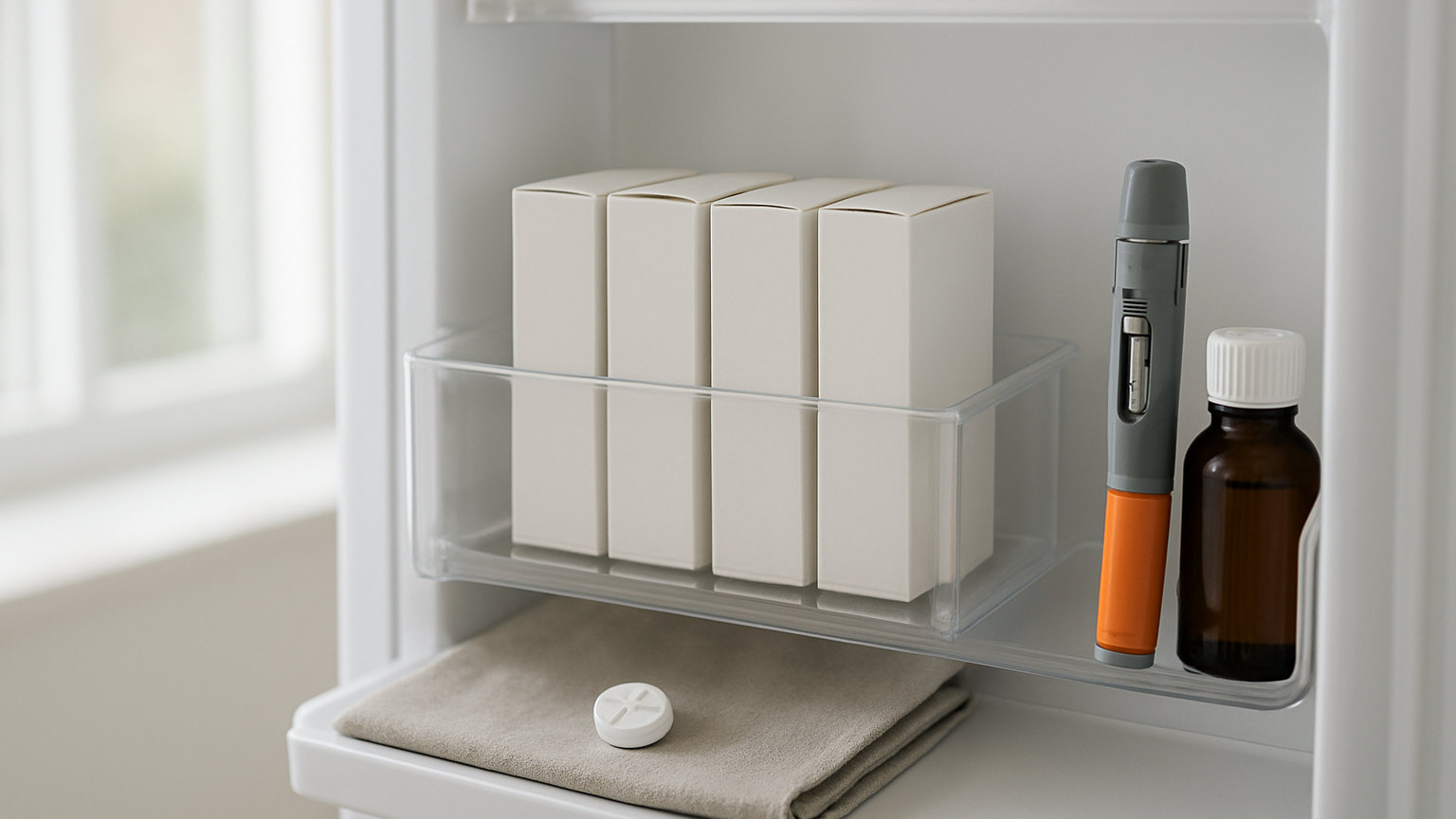
The fridge is the one storage instruction people follow, and the freezer compartment is where a surprising amount of medicine gets ruined.
A dropped tablet is not a minor spill if there is a dog in the house.
Some medicines tell you they have failed. The dangerous ones look exactly the same as they always did.
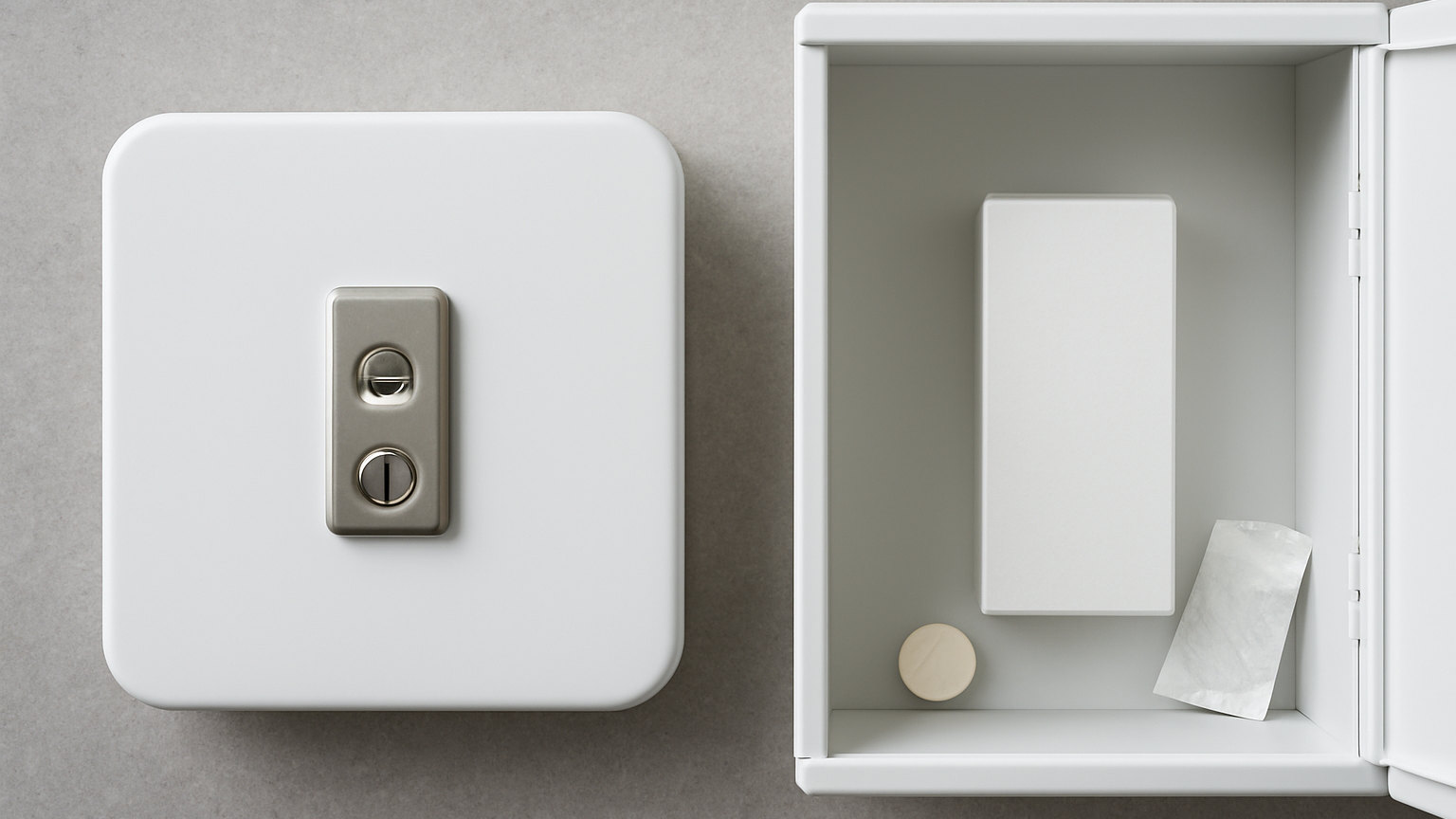
A cupboard that is safe when you live alone stops being safe the moment someone else has a key.
Keep the door shut. That single instruction covers most of what you need to do.
An emergency medicine left at home is no use, and both schools and workplaces have arrangements for this.
Sudden admissions and evacuations both give you about five minutes to think clearly.
Heat, damp, light and air do more damage than the calendar, and two of them are in most bathrooms.