What to Do With Leftover Medicines
Every pharmacy takes back unwanted medicines free of charge. The bin and the toilet are both worse than they look, and passing them to a friend is worse than either.
Why leftover medicines go back to a pharmacy rather than into the bin or the toilet, and what happens to them.
Every pharmacy takes back unwanted medicines free of charge. The bin and the toilet are both worse than they look, and passing them to a friend is worse than either.
A used needle in a bin bag is a genuine injury risk to whoever handles it next. Getting a proper bin is usually free and easier than people assume.
It is one of the small tasks nobody prepares you for. The practical answer is simpler than people expect, and there is no requirement to sort or explain anything.
It looks like obvious waste, and the objection is reasonable. The answer comes down to a chain of custody that ends the moment a pack leaves the counter.
The biggest environmental cost of medicines is the ones nobody takes.
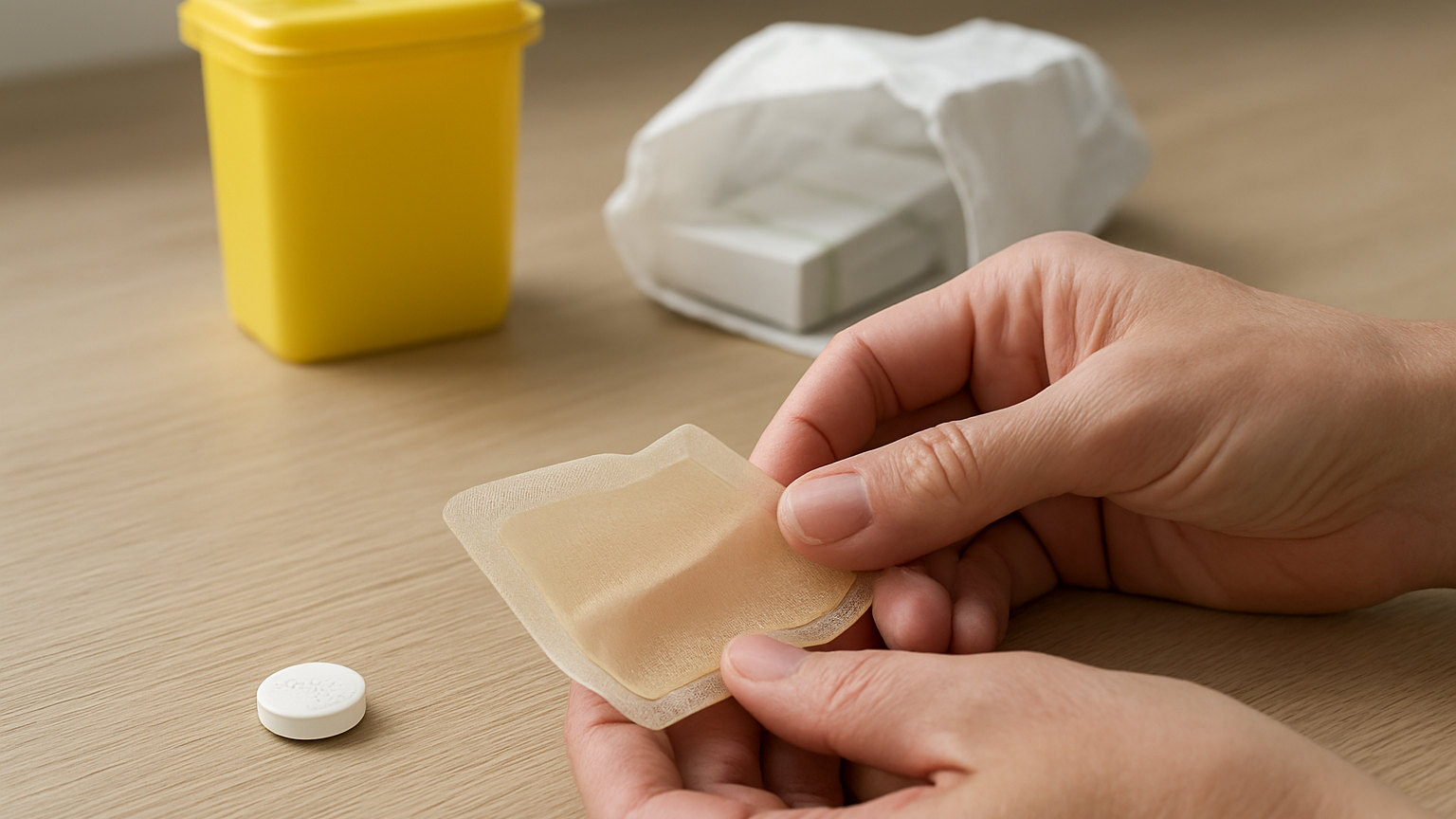
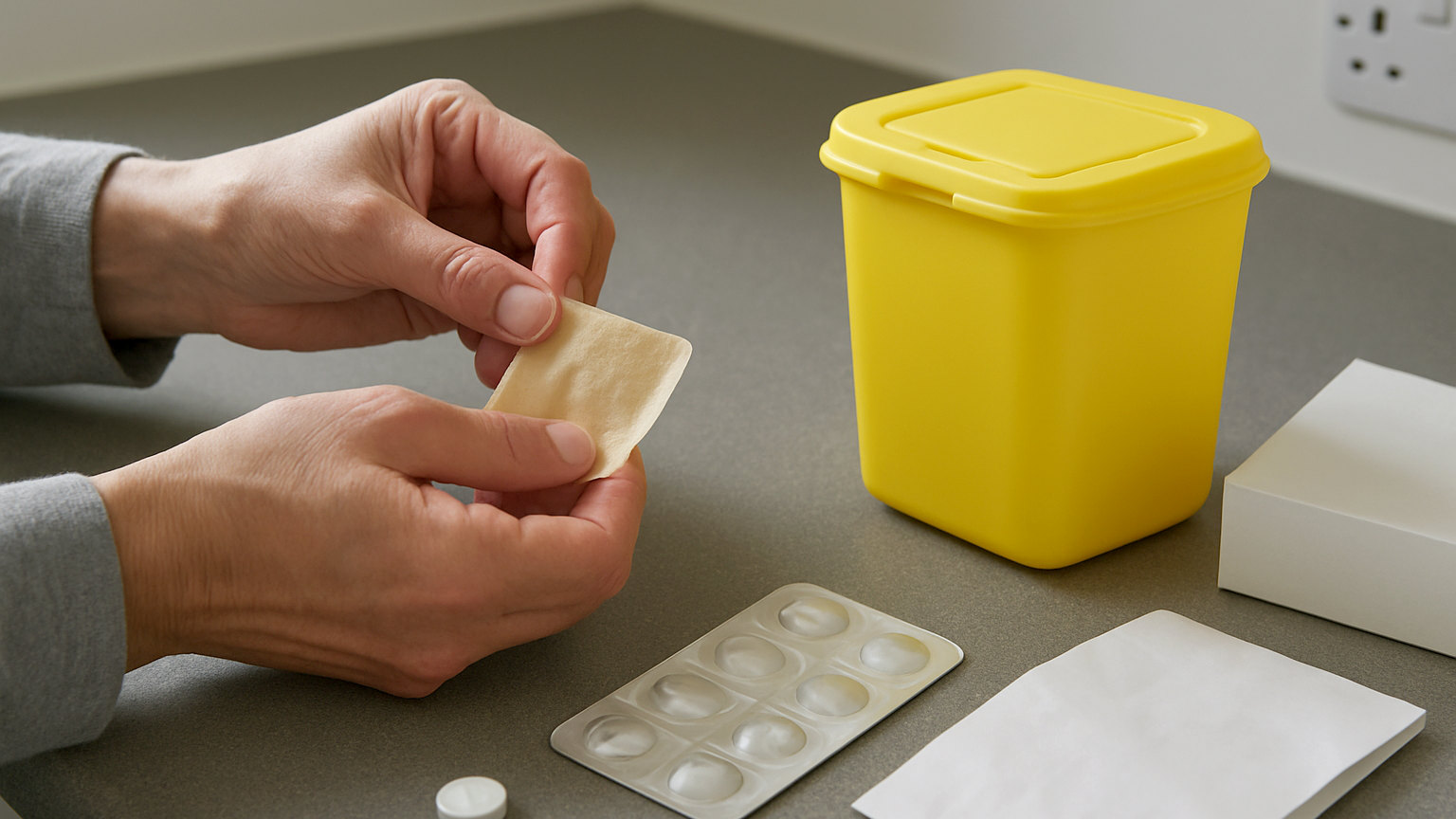
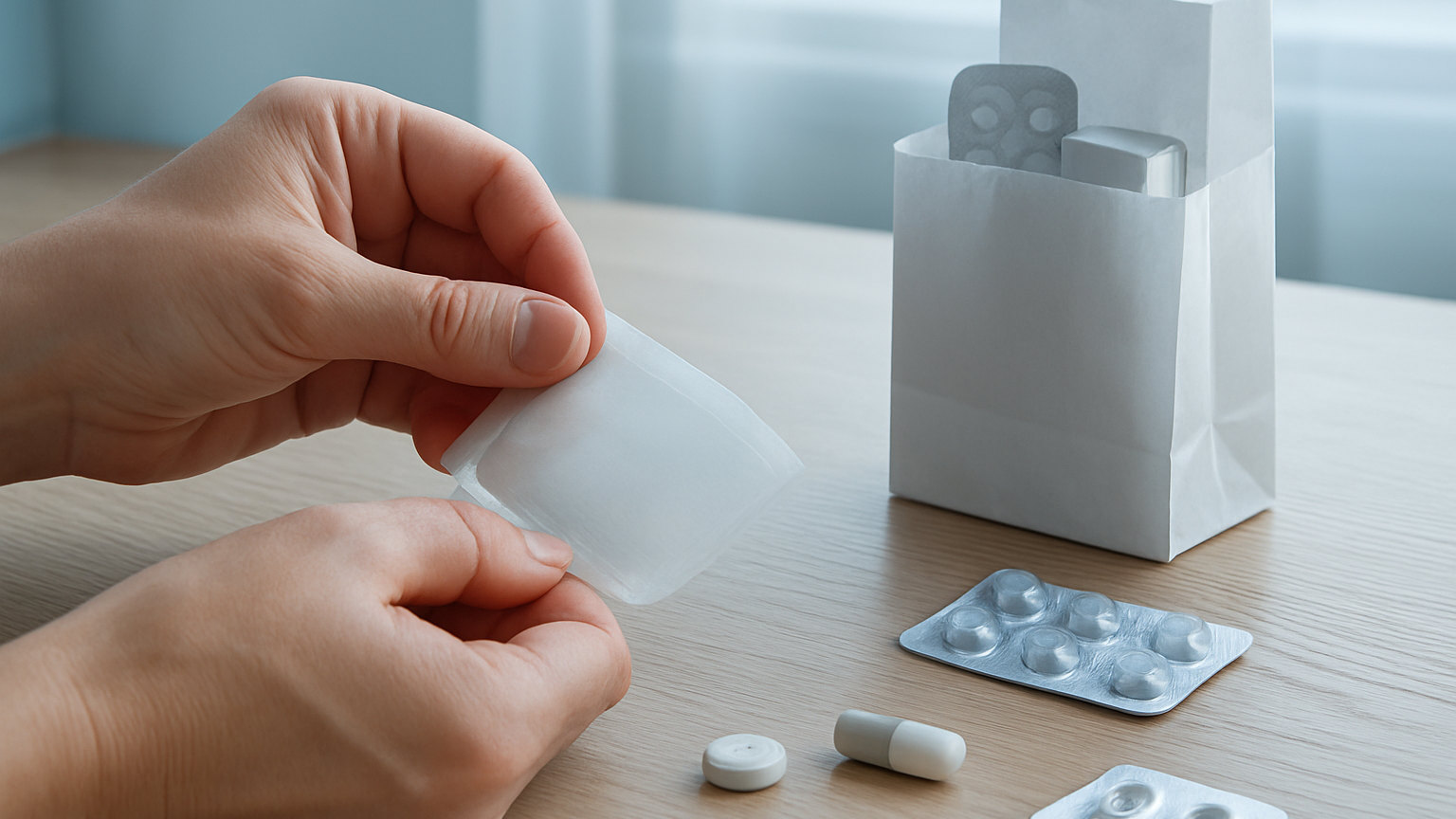
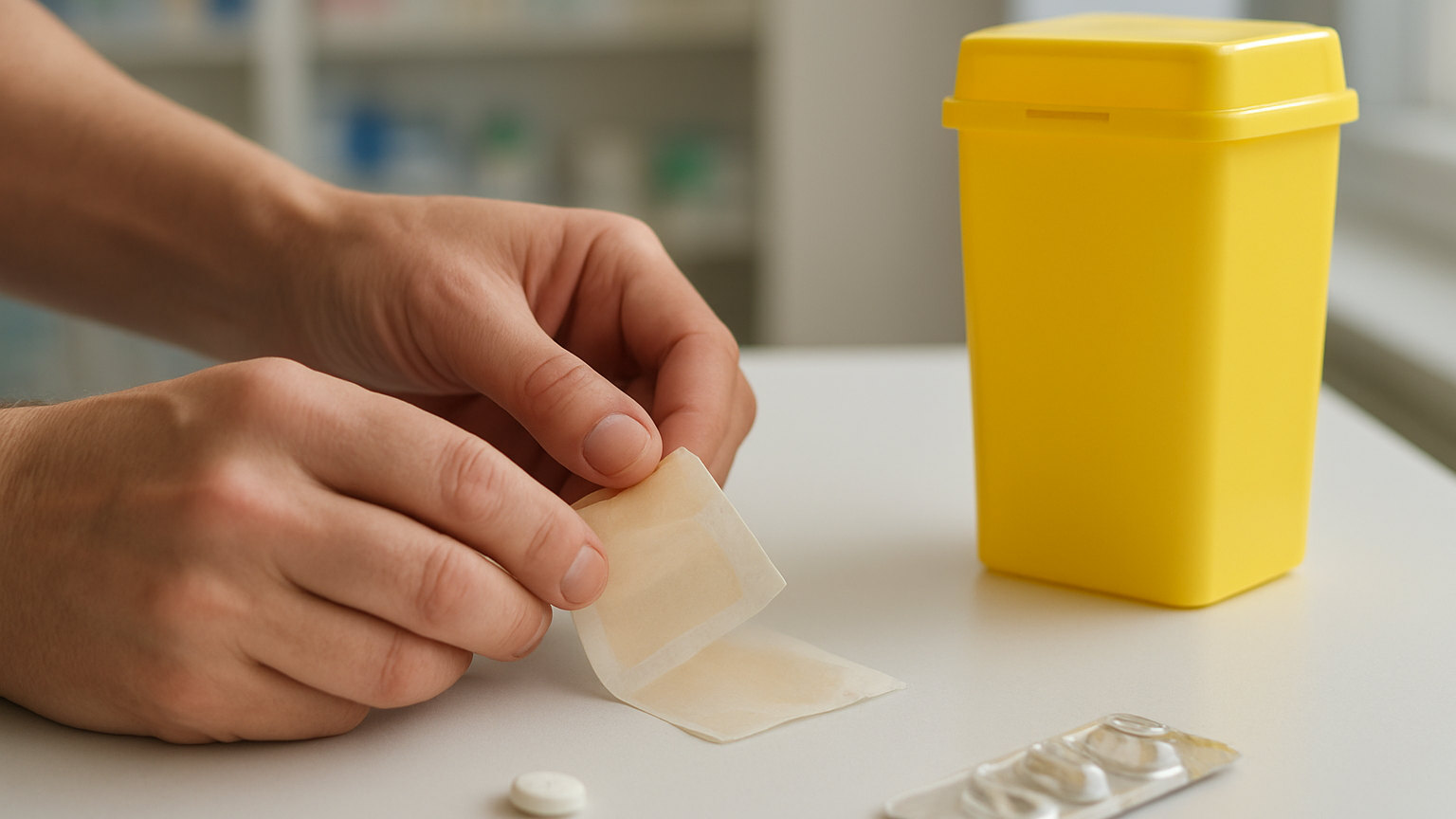
A used patch is not an empty wrapper, and a nearly empty tube is not harmless.
They are destroyed, not redistributed, and the reasons are better than they first sound.
An hour once a year catches the expired adrenaline pen and the tablets you stopped in 2027.
The one thing not to do with a tablet you cannot identify is take it.
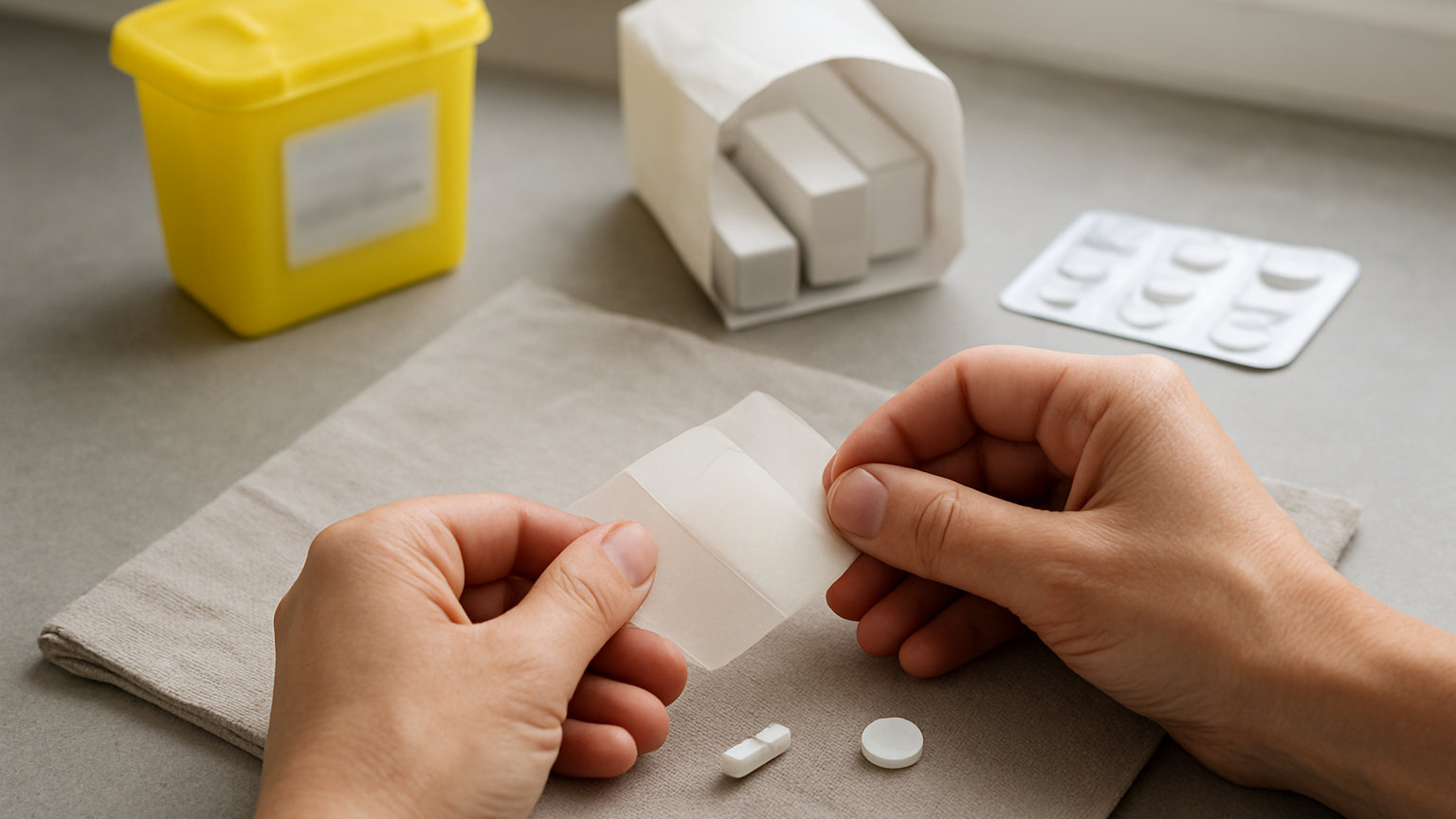
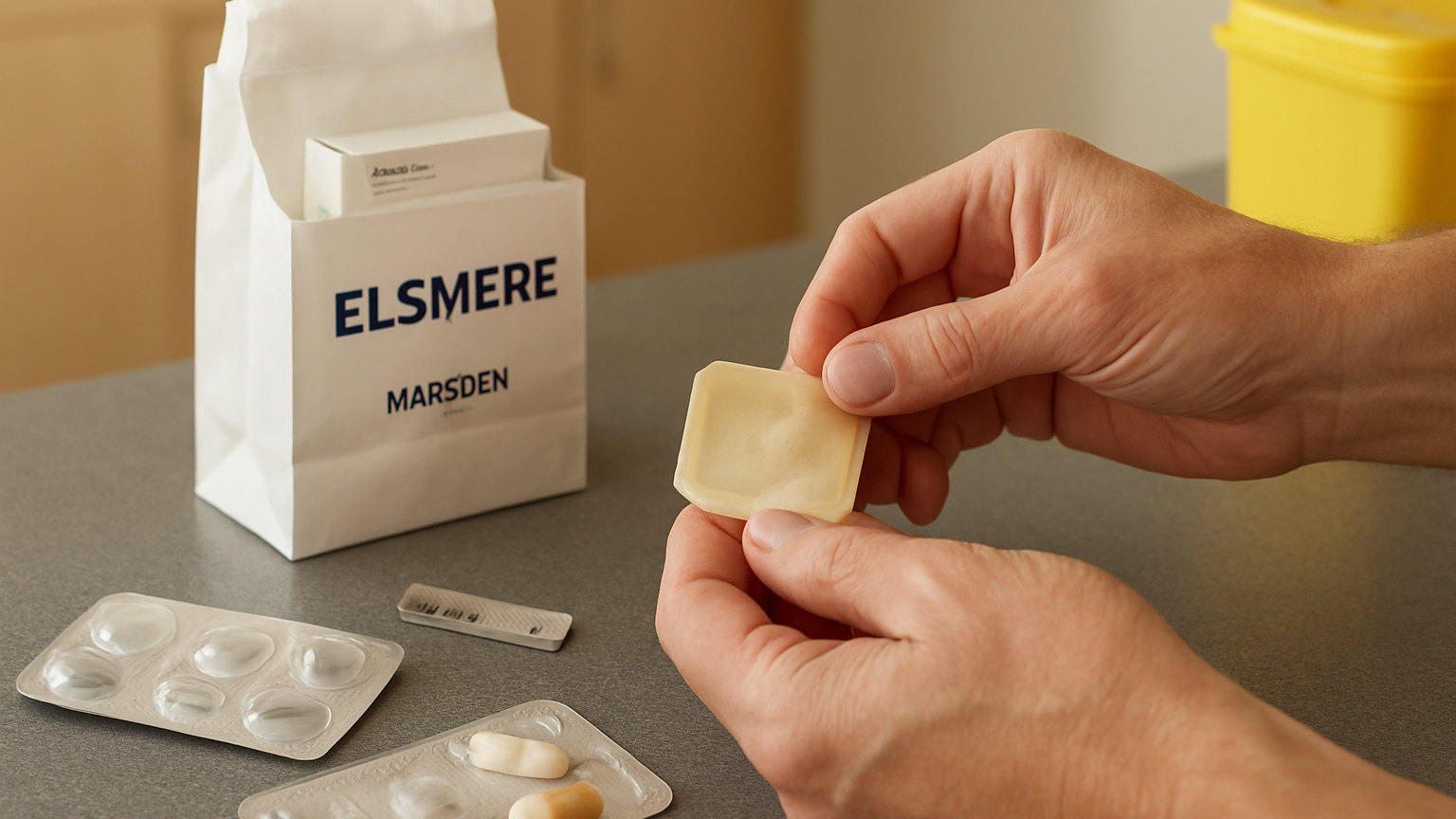
Three different waste streams come out of one paper bag, and the label is the one people forget.
The needle you cannot dispose of is the one you are holding somewhere unfamiliar.
Most of the drug is still in the patch when you take it off.