How Long Do Medicine Side Effects Last?
A large share of side effects fade within a fortnight as the body adapts. A smaller group never will. Telling the two apart early saves people abandoning medicines that would have suited them.
Every effective medicine can do something you did not ask for. Most side effects are mild and fade in the first fortnight; a small number matter urgently and are worth being able to recognise. These guides separate the two, explain how interactions actually happen, and cover what to do when something is not right.
A large share of side effects fade within a fortnight as the body adapts. A smaller group never will. Telling the two apart early saves people abandoning medicines that would have suited them.
Around nine in ten people labelled penicillin-allergic turn out not to be. The label follows you for decades and pushes you onto second-choice antibiotics, so it is worth getting right.
Most people do not mention supplements, because they do not feel like medicines. Several are potent enzyme inducers or inhibitors, and one of the most common can render a prescription useless.
A short, specific list of things that mean stop reading and ring someone - grouped by what they look like rather than by which drug caused them.
Three different things happen when a medicine stops abruptly - withdrawal, rebound, and the return of whatever it was holding at bay. Only one of them feels like the drug's fault.
Often the fix is not a different drug but a different hour of the day. Where it is not, tiredness that started with a tablet is still worth investigating rather than absorbing.
The test holding up your repeat is usually checking something that has no symptoms until it is well advanced. That is the whole reason it is done on a schedule.
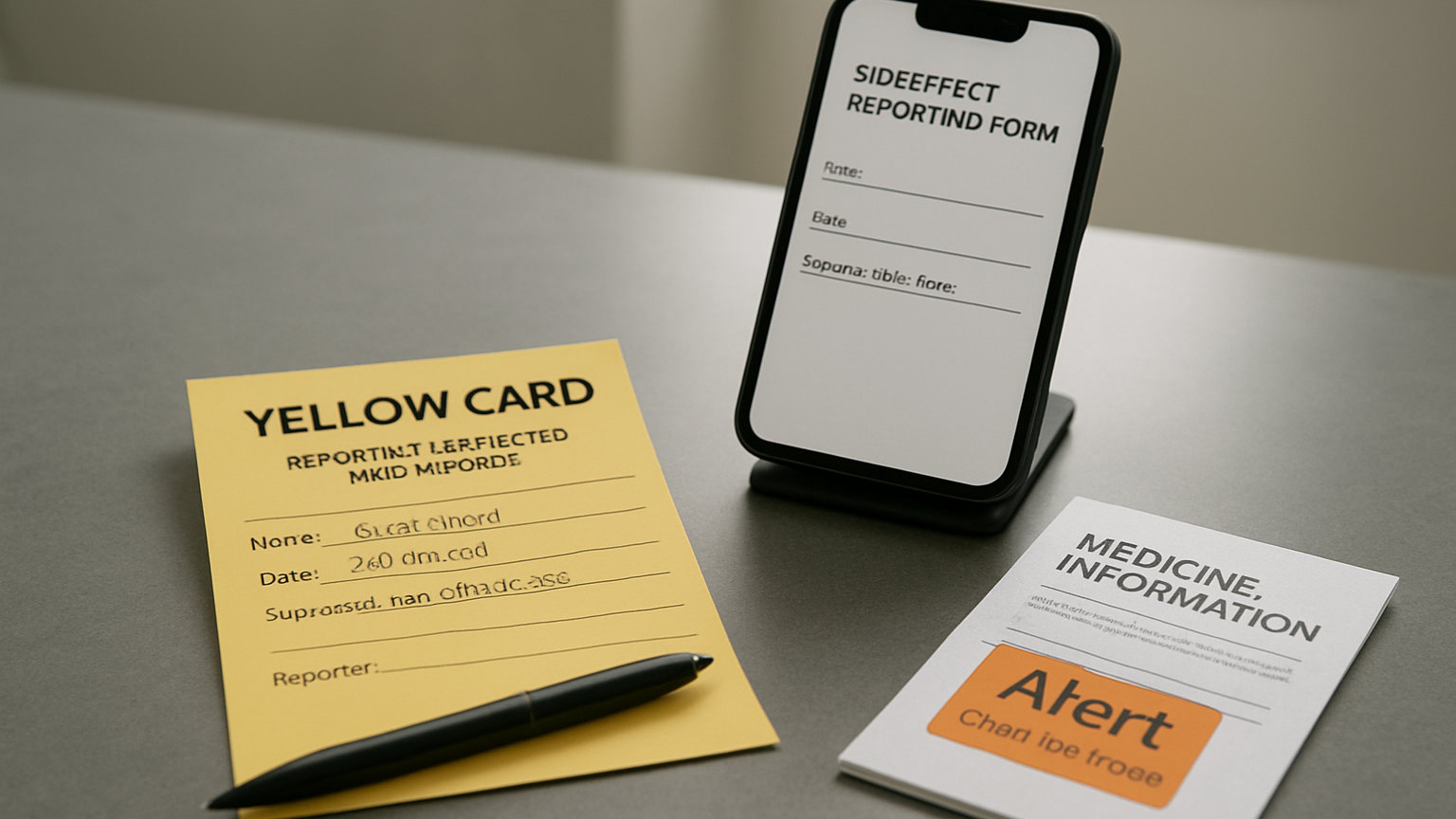
Trials are too small and too short to find rare side effects. Almost everything we know about them comes from reports made after a medicine reaches the market - many by patients.
Anything sold from a shelf feels categorically different from a prescription. Pharmacologically it is not, and four ordinary shelf categories account for most of the trouble.
The two things that go wrong are coming down too fast and mistaking withdrawal for the illness returning. Both are avoidable, and the difference is mostly in the timing.
Every item on the list was reasonable when it was added. The problem is that nothing in the system is designed to take things off again.
The commonest error is waiting to be certain. Adrenaline given unnecessarily does very little harm; adrenaline given late is the thing that costs lives.