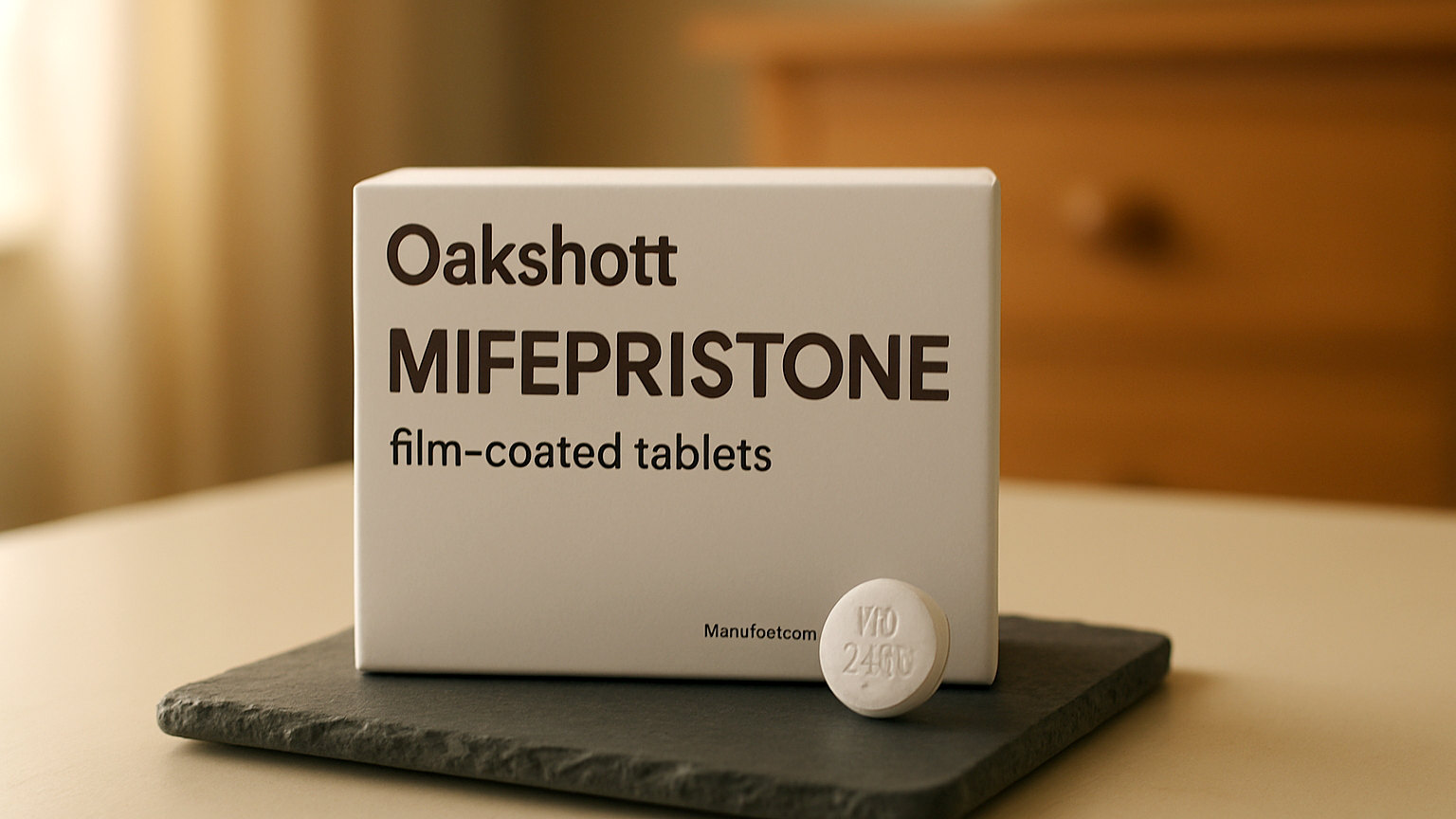
Mifepristone blocks progesterone receptors. Progesterone is the hormone that maintains a pregnancy, so blocking it causes the lining of the womb to break down and makes the uterus more responsive to prostaglandins. In early medical abortion it is followed a day or two later by misoprostol, which causes the uterus to contract and empty. The same combination is used in managing miscarriage. This page describes what the process involves in the UK and when to seek help.
Follow the instructions given by the service treating you. This guide contains no doses.
How treatment is arranged in the UK
Abortion care is free on the NHS, and you can refer yourself - you do not need to see your GP first. The main providers are BPAS, MSI Reproductive Choices and NUPAS, alongside NHS services.
A consultation, usually by phone or video, establishes how many weeks pregnant you are, your medical history and what treatment is suitable. An ultrasound is not always needed.
For early pregnancy, both medicines can be taken at home in England, Wales and Scotland under current arrangements, with the medication posted or collected. Later in pregnancy, treatment takes place in a clinic.
Your GP does not have to be informed unless you want them to be, though it is generally useful for your records.
What happens
Mifepristone is taken first, usually as a single tablet. Most people feel little or nothing after it - some have light bleeding or nausea.
Misoprostol follows, typically 24 to 48 hours later. Within a few hours it causes cramping and bleeding, generally heavier than a period, often with clots. Cramping is usually strongest for a few hours and then eases.
Pain relief is part of the treatment - paracetamol and ibuprofen are both used, and ibuprofen does not interfere with the process despite a persistent belief that it does. A heat pad helps.
Bleeding usually settles over one to two weeks but can continue, lighter, for longer. Our guide to misoprostol covers the second medicine.
When to seek urgent help
Contact the service or go to A and E if you have:
- Bleeding soaking two or more maxi pads an hour for two hours in a row
- Severe pain not relieved by the pain relief you were given
- A temperature, feeling generally unwell, or offensive-smelling discharge - these can indicate infection, which needs prompt treatment
- Dizziness, fainting or a racing heart
- No bleeding at all within 24 hours of the misoprostol
Providers run 24-hour aftercare lines, and using them is expected rather than an imposition.
Confirming it has worked
A follow-up test is part of treatment - usually a low-sensitivity pregnancy test done at home a few weeks later, or a blood test.
This matters. A small proportion of treatments are incomplete or the pregnancy continues, and both need further management. Continuing pregnancy after mifepristone exposure carries risks, so a positive follow-up test needs acting on rather than waiting.
An ordinary pregnancy test can stay positive for weeks afterwards - which is why the specific test provided is the one to use.
Afterwards
Fertility returns almost immediately - ovulation can occur within two weeks. If you do not want to conceive, contraception needs starting straight away, and most methods can be started immediately after treatment.
Our guides to desogestrel and the contraceptive implant cover the options, and providers can arrange contraception at the same time.
Emotional responses vary enormously and there is no standard one. Providers offer counselling before and after, free, and it is available whether or not you are distressed.
Do not buy these medicines online
Pills sold online without assessment carry real risks: an undiagnosed ectopic pregnancy, which medical abortion does not treat and which can be life-threatening; pregnancy further advanced than assumed; incomplete treatment; and no aftercare if something goes wrong.
NHS-funded treatment is free, confidential, and accessible by self-referral, usually within days. If you have taken medication obtained elsewhere and become unwell, seek medical help and say what you have taken - you will be treated, and treatment is the priority.
Other uses
Mifepristone is also used in managing missed miscarriage, where evidence shows it improves the success of misoprostol treatment and reduces the need for surgery.
At much higher doses it is used in Cushing's syndrome, an entirely separate and specialist indication.
Who it is not suitable for
Suspected ectopic pregnancy, chronic adrenal failure, certain bleeding disorders or anticoagulant treatment, and porphyria. An intrauterine device must be removed first.
Long-term corticosteroid treatment is affected, since mifepristone also blocks glucocorticoid receptors - tell the service if you take steroids. Enzyme-inducing medicines can reduce its effectiveness, so mention everything you take, including St John's wort.
More on how the main families of medicine work in the Medicines section, including Cabotegravir: Long-Acting Injectable HIV Treatment.