For most once-daily medicines, crossing time zones is not complicated: keep taking it at the same clock time and shift gradually to local time over a couple of days, or simply switch on arrival. A few hours either way rarely matters. For a smaller group - insulin, contraceptives, epilepsy medicines, anticoagulants, transplant medicines and anything where timing is tightly controlled - it matters considerably more, and the crossing should be planned with your pharmacist or specialist team before you travel.
The first thing to establish is which category yours is in. That is a two-minute conversation and it removes most of the anxiety.
The general approach for ordinary medicines
If you take something once daily and it is not on the list above, the simplest method is to switch to local time on arrival, taking the dose at the equivalent point in your new day.
Going east shortens the day, so doses come closer together. Going west lengthens it, so they come further apart. For a once-daily medicine neither is usually significant, though shifting in steps over two or three days is gentler if you are crossing many zones.
For medicines taken two or three times daily, keep the spacing roughly right rather than fixing on clock times. Our guide to missed and late doses covers the principle that being late is usually better than doubling up.
Where it needs planning
Insulin. Long-acting and mealtime insulins are affected differently, and the length of the travel day changes how much background insulin is needed. Your diabetes team will work through the specific journey with you - they do this routinely. Monitor more often than usual on travel days, and carry fast-acting carbohydrate. Our guides to starting insulin and hypos cover the background.
Contraceptives. Rules differ between the combined pill, the progestogen-only pill and other methods, and some are far less forgiving about timing than others. Check the leaflet or ask a pharmacist before you go, and know what counts as a missed pill in your case.
Epilepsy medicines. Keep the interval between doses as close to normal as possible, since a longer gap can lower the seizure threshold. Plan the crossing rather than improvising.
Anticoagulants. DOACs wear off faster than warfarin, so consistency matters. If you take warfarin, ask about INR monitoring for longer trips.
Transplant and immunosuppressant medicines. Speak to your specialist team - these have tightly controlled levels and their own rules.
Parkinson's medicines. Timing is unusually important and lateness has quick, noticeable effects.
Practical things that make it work
- Keep your watch or phone on home time for the journey itself, and change it once you have taken the dose that lands in the transition. Trying to do the arithmetic mid-flight is where mistakes happen.
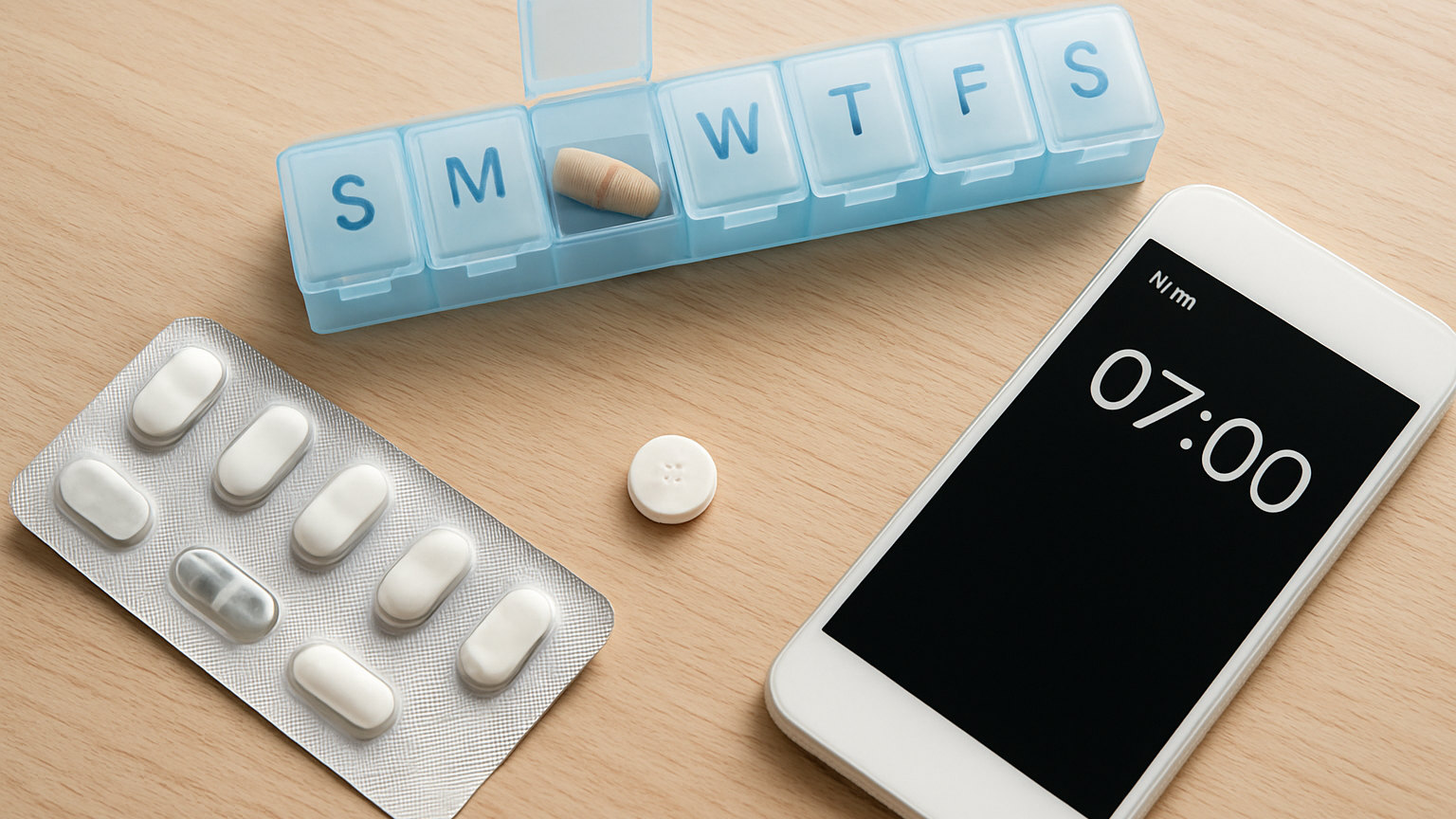
- Set alarms for the first two or three days. Routine is what normally keeps doses on track, and travel dismantles routine entirely.
- Write the plan down before you leave, including what to do if you sleep through a dose.
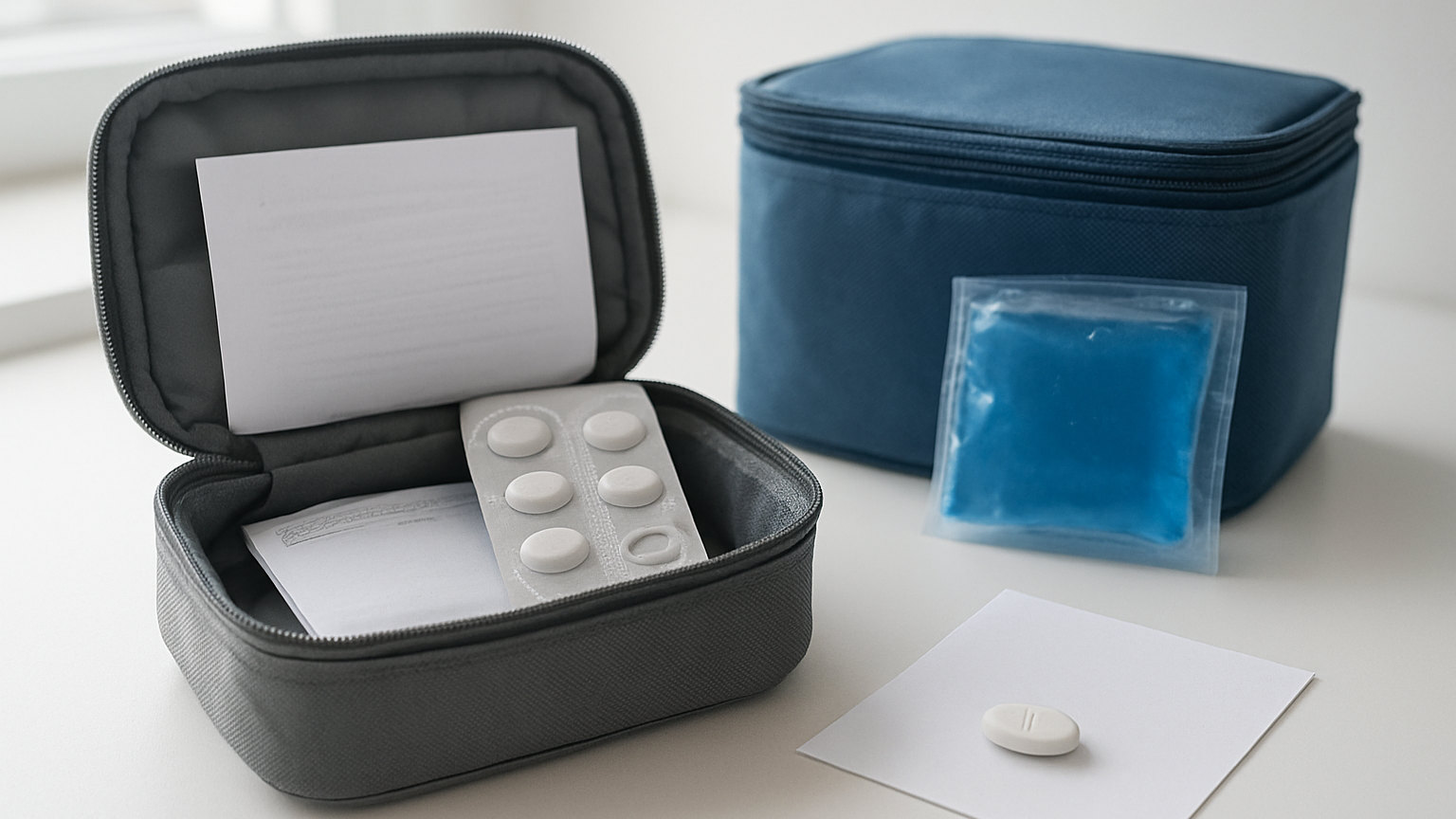
- Take more than you need, in hand luggage, in original labelled packaging - see our guide to flying with prescription medicines.
Long-haul flights
Cabin air is dry and you will be more dehydrated than you feel, which matters if you take diuretics or anything affecting the kidneys. Drink water rather than relying on thirst.
Immobility raises clot risk on longer flights, particularly if you have other risk factors. Move about, and ask before travelling whether compression stockings are advisable for you.
Alcohol on a flight compounds dehydration and sedation from any medicine you take - see medicines and alcohol.
If you take something sedating to sleep on a flight, do not combine it with alcohol, and be aware that grogginess on landing can persist for hours.
What to do if a dose lands mid-flight
Take it. A dose taken in the air is no different from one taken on the ground, and skipping it because the timing feels awkward is the more common error.
Keep what you need in an accessible bag rather than an overhead locker, since you may not be able to reach it during turbulence or while the seatbelt sign is on. If your medicine needs food, take something with you rather than relying on the meal service arriving when you need it - and if it needs to stay cool, ask cabin crew rather than assuming.
Coming home
The return journey needs the same thought as the outward one, and it is the one people forget to plan. Going the other way reverses whether your day is shortened or lengthened.
If you have been unwell abroad, or your routine has drifted badly, a quick call to your pharmacy when you get back is worth it - particularly if you have been running short, or have bought anything locally that you have added to your usual medicines.
The Usage section covers more on taking medicines day to day - Travel Vaccines and Malaria Tablets is closely related to this one.