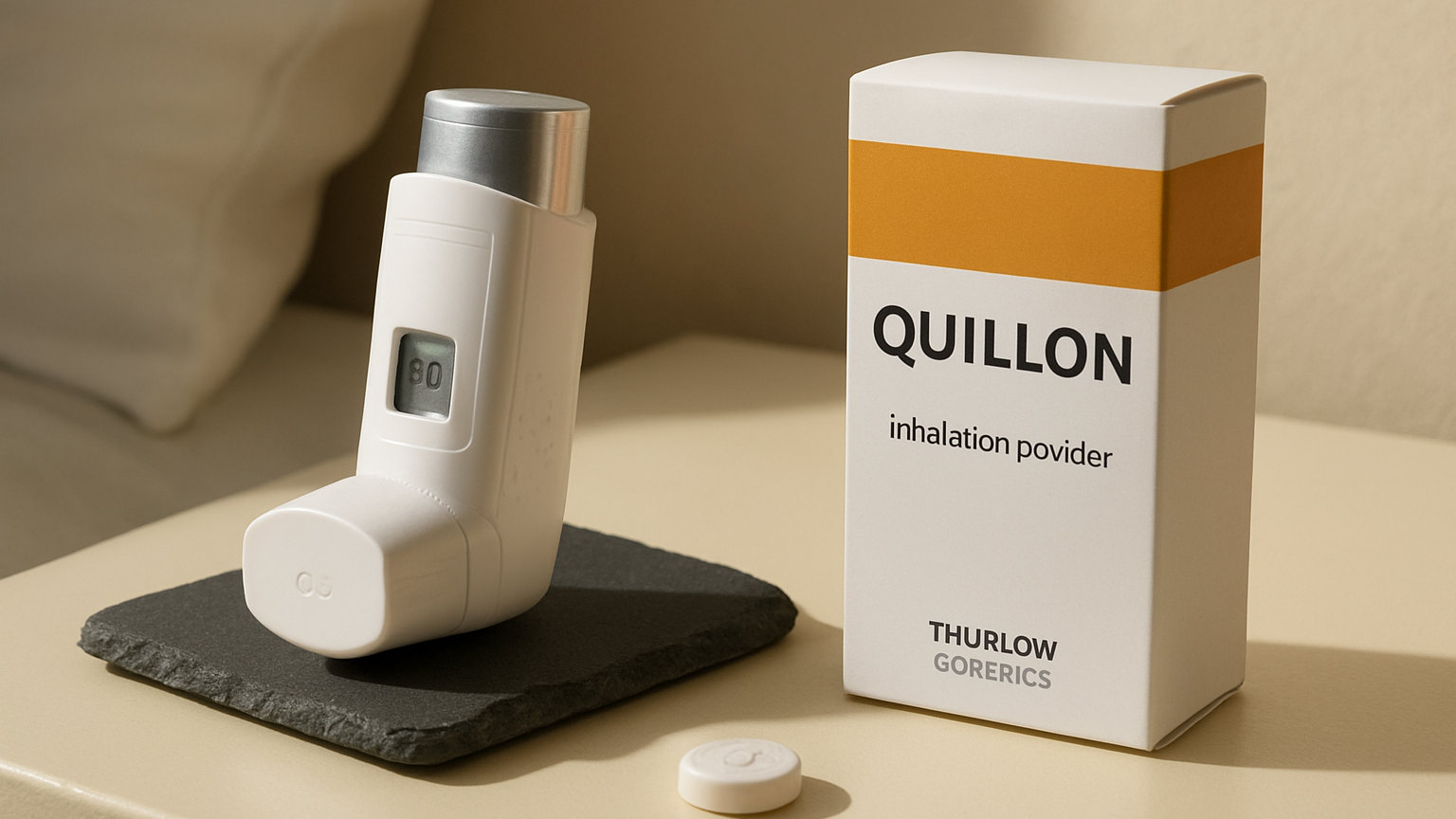
Tiotropium: Long-Acting COPD Inhalers
A maintenance inhaler that does nothing in an attack, supplied in two devices that work in completely different ways.
By Prescription Medicines Editorial
28 Nov 2025

Sometimes you know the condition but not the medicine, or you have been handed something and want to understand why this one rather than another. These guides start from the condition and work outwards to the treatments usually used for it, and the reasoning behind the order they are normally tried in.
A maintenance inhaler that does nothing in an attack, supplied in two devices that work in completely different ways.
It pushes insulin out whether or not you have eaten, and that single fact explains every precaution attached to it.
One capsule for a common problem, from a drug class with an interaction profile most people would not expect.
Diarrhoea is not a nuisance side effect here. It is the signal to stop, and the margin above it is narrow.
Skin usually gets worse before it gets better, for around six weeks. Almost everyone who stops does so during that window.
The oddly spaced doses are deliberate. Take it evenly through the day and within a week it stops working.
It works well and it costs you metabolically. Both halves are well established and both belong in the decision.
In some regimens the same inhaler prevents and relieves. In others it only prevents. Using the wrong one as a reliever is dangerous.
The same drug under two names at two doses for two purposes, which causes a surprising amount of confusion.
A day less flu if you are otherwise healthy, and considerably more than that if you are not.
One of the better-tolerated long-term medicines, with one specific risk that annual eye screening exists to catch early.
Months of tablets for a cosmetic problem, so it is worth confirming the nail is actually fungal before you start.