
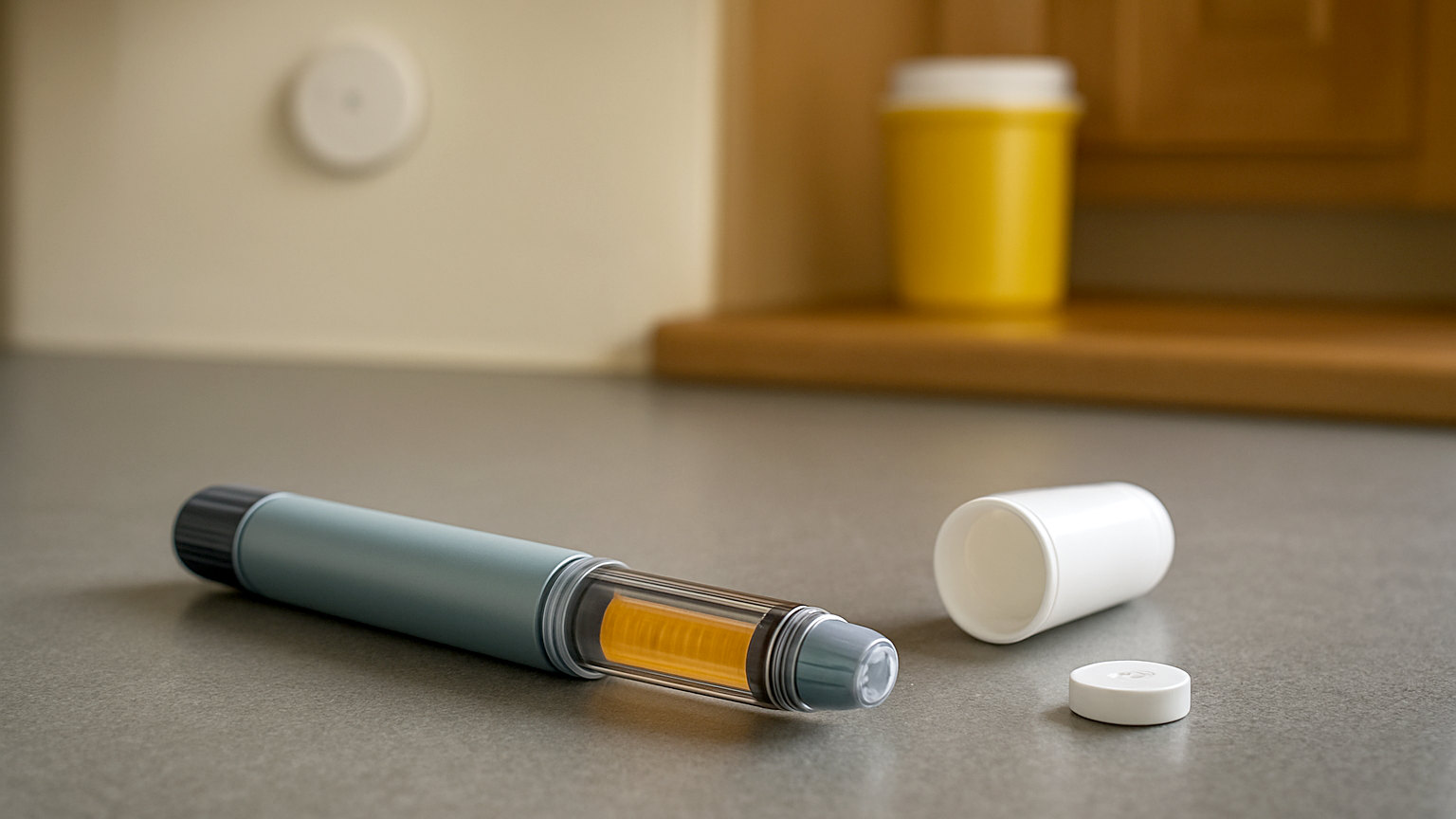
Diabetes in pregnancy is managed more tightly than at other times, because blood glucose control in the first weeks affects how the baby develops - often before a pregnancy is confirmed. That is why pre-conception planning matters more here than in almost any other condition. Several medicines routinely taken by people with diabetes are stopped or changed before conception, glucose targets tighten, and the risk of low blood sugar rises. If you have diabetes and are thinking about pregnancy, raise it before you conceive.
Follow the plan your diabetes and maternity teams give you. This guide describes what usually changes.
What is stopped before or at conception
- ACE inhibitors and ARBs, commonly taken for blood pressure or kidney protection, are avoided in pregnancy and usually switched beforehand.
- Statins are generally stopped.
- Most diabetes tablets other than metformin - sulfonylureas, SGLT2 inhibitors, DPP-4 inhibitors and GLP-1 agonists - are usually stopped, with treatment moved to metformin, insulin, or both.
None of these should be stopped on your own initiative. Blood pressure and glucose still need controlling, and the point is to switch to something suitable rather than to leave a gap - our guide to blood pressure treatment covers the alternatives used.
What is used instead
Insulin is the mainstay, and requirements change substantially through pregnancy - often falling slightly early on and rising considerably in the second and third trimesters as pregnancy hormones increase insulin resistance. Expect frequent adjustment; that is the treatment working, not going wrong. Our guide to starting insulin covers the practical side.
Metformin is widely used in pregnancy and is generally considered suitable, sometimes alongside insulin.
Immediately after birth, insulin requirements usually drop sharply, which is a recognised point of hypo risk.
Pre-conception planning
The things typically arranged before conception:
- a review of every medicine you take, including anything bought over the counter
- a higher dose of folic acid than the standard pregnancy dose, started before conception
- aiming for glucose control within an agreed target before trying
- up-to-date eye screening, since retinopathy can worsen in pregnancy
- checking kidney function
- contraception continued until the above are in place
That last point catches people out. Planning means not conceiving until the plan is ready, which is a reason to keep contraception going through the preparation rather than stopping it at the start.
Hypoglycaemia
Tighter targets mean a higher risk of low blood sugar, and hypo awareness can reduce in pregnancy - so symptoms may arrive later than you are used to.
Carry fast-acting treatment at all times, tell those around you, and make sure someone knows how to help. Our guide to spotting and treating hypos covers recognition, and DVLA requirements continue to apply, as our guide to medicines and driving explains.
Nausea and vomiting complicate this considerably. If you cannot keep food down, contact your team rather than guessing - and never stop insulin in type 1 because you are not eating, since that risks diabetic ketoacidosis, as our guide to type 1 and type 2 explains.
Gestational diabetes
Diabetes appearing during pregnancy, usually diagnosed by a glucose tolerance test in women with risk factors. It is managed first with diet and activity, then metformin, then insulin if needed.
It usually resolves after birth, but it substantially raises the risk of developing type 2 diabetes later, so a follow-up glucose check afterwards and periodic testing thereafter both matter. That follow-up is frequently missed once the pregnancy is over.
Monitoring during pregnancy
Expect more frequent glucose monitoring, more frequent appointments, and additional scans. Continuous glucose monitoring is increasingly offered in type 1 pregnancy.
Eye screening is repeated during pregnancy because existing retinopathy can progress, and this is one of the checks most worth attending.
Blood pressure in pregnancy
Diabetes and raised blood pressure often travel together, and pregnancy changes which treatments are usable. ACE inhibitors and ARBs are stopped, and alternatives suitable in pregnancy are used instead - labetalol, nifedipine and methyldopa among them.
Blood pressure is monitored closely because of the raised risk of pre-eclampsia in diabetic pregnancy, and low-dose aspirin is commonly recommended from early in the second trimester to reduce that risk. Both are decisions for your maternity team rather than adjustments to make yourself.
After the birth
Insulin requirements fall sharply and doses are usually reduced immediately. Breastfeeding lowers glucose further and raises hypo risk, so having something to hand during night feeds is worth planning.
Medicines stopped for pregnancy are reviewed rather than automatically restarted, since some are also avoided while breastfeeding. Ask specifically what restarts and when, because this is a common point at which things fall between two teams - our guide to monitoring long-term medicines covers keeping track.
More on what medicines are prescribed for in the Conditions section, including Pioglitazone: Where It Still Has a Place.


