
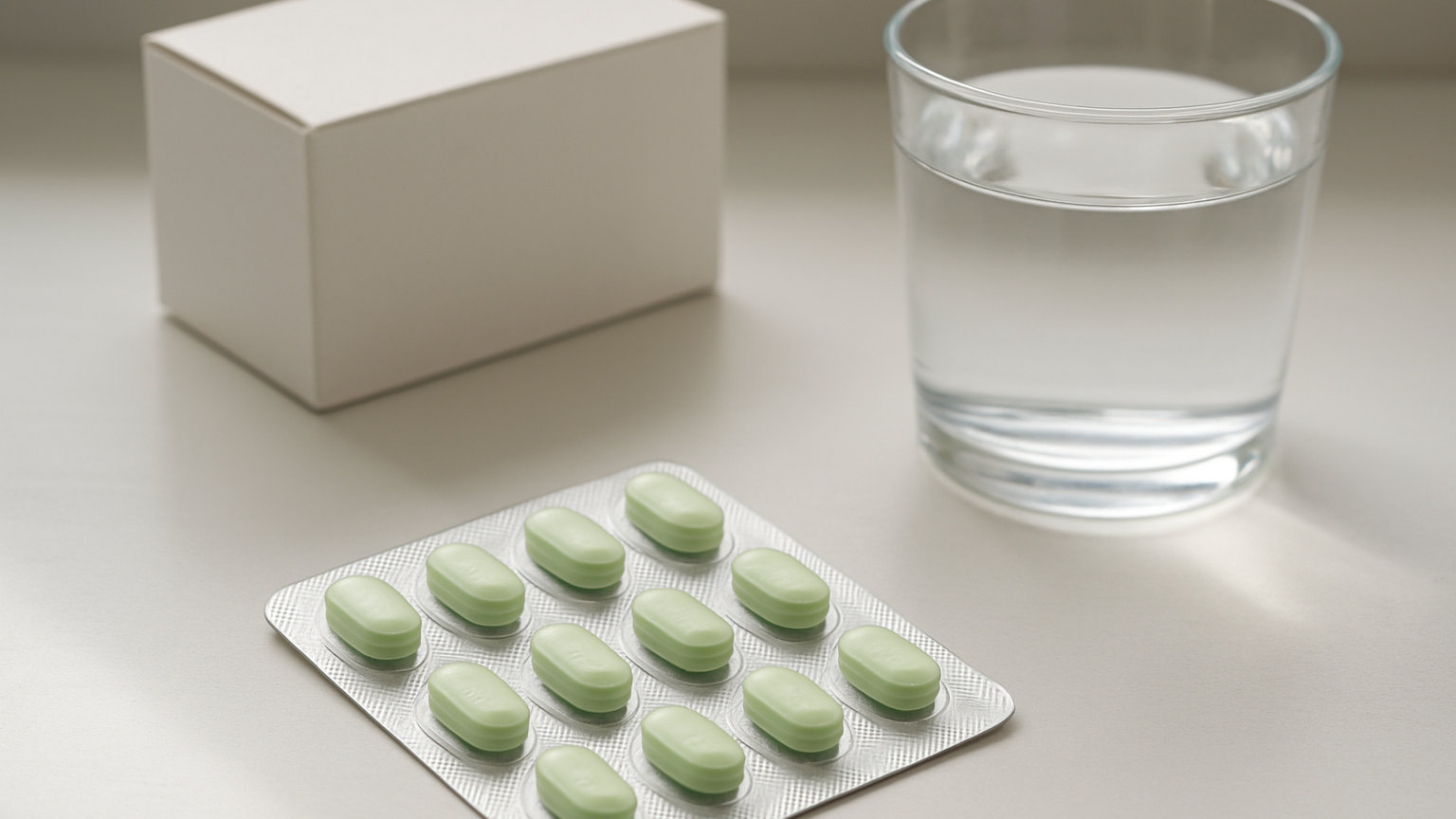
Quetiapine is a second-generation antipsychotic, acting on dopamine, serotonin, histamine and other receptors. It is licensed for schizophrenia, for mania and depression in bipolar disorder, and as an add-on in treatment-resistant depression. It is also prescribed very widely at low doses for insomnia and anxiety, where it is not licensed, where the evidence is poor, and where the metabolic and movement risks do not conveniently shrink along with the dose.
Follow the plan your prescriber gave you. This guide contains no doses. Do not stop it abruptly.
Why low doses behave differently
Quetiapine's receptor effects appear at different doses. At low doses it is largely an antihistamine, which is why it sedates so effectively. Meaningful dopamine blockade - the antipsychotic action - requires considerably more.
So a low dose taken for sleep is essentially being used as a powerful sedating antihistamine.
That is the basis of its popularity for insomnia, and the reason it deserves scepticism. There are sedating options with better evidence and lower risk, and guidance does not support quetiapine for insomnia.
Our guide to sleeping tablets covers why cognitive behavioural therapy for insomnia outperforms medication in the long run, and zolpidem covers the licensed hypnotics.
The risks do not scale down neatly
Weight gain and metabolic effects. Quetiapine is among the antipsychotics most associated with weight gain, raised blood glucose and raised lipids. These occur at lower doses too - see medicines and your weight.
Heart rhythm. It lengthens the QT interval - see medicines that affect your heart rhythm.
Movement disorders. Less likely than with older antipsychotics, but tardive dyskinesia remains possible with prolonged use.
In older people, antipsychotics raise the risk of stroke and death in dementia, and contribute to falls and confusion. See antipsychotics.
Monitoring that should happen
Weight and waist circumference, blood pressure and pulse, fasting glucose or HbA1c, lipids, and liver function - before starting, at intervals in the first year, then annually.
An ECG is advised where there are cardiac risk factors or other QT-prolonging medicines.
This monitoring is frequently omitted when quetiapine is prescribed at a low dose for sleep, precisely because it does not feel like antipsychotic prescribing. If you have been on it for a year without any of these checks, ask - see monitoring long-term medicines.
Sedation and next-day effects
Drowsiness is the dominant effect and frequently persists into the following day.
Do not drive until you know how it affects you - see medicines and driving. Alcohol and other sedatives add to it.
Dizziness on standing is common early, because quetiapine also blocks alpha receptors. Get up slowly, particularly in the first weeks and after any increase.
Other side effects
Dry mouth, constipation, blurred vision - see dry mouth from medicines.
Seek urgent help for high fever with muscle rigidity, confusion and sweating, which can indicate neuroleptic malignant syndrome.
Report fever with sore throat or mouth ulcers, which can indicate an effect on white cells, and any involuntary movement of the face or tongue.
Do not stop abruptly
Stopping suddenly causes discontinuation symptoms - insomnia, often severe, along with nausea, agitation, sweating and headache.
The insomnia is particularly important for anyone taking it for sleep, because rebound insomnia feels exactly like proof the drug was necessary. It is a withdrawal effect and it settles, but from the inside the two are indistinguishable.
Reduction should be gradual and planned. For anyone on it long-term for a psychotic or bipolar illness, stopping also risks relapse, which is a different and more serious consideration.
See why you cannot just stop some medicines and deprescribing.
Modified-release and immediate-release
Quetiapine comes in immediate-release form, taken twice daily, and modified-release, taken once daily in the evening. They are not interchangeable milligram for milligram, and the modified-release tablets must be swallowed whole.
Modified-release is taken without food or with a light meal, since a heavy meal increases absorption. If your tablets change appearance or the instructions differ from what you are used to, query it before taking them - see cutting and crushing tablets.
Where it genuinely helps
None of the above argues against quetiapine where it is indicated. In schizophrenia and bipolar disorder it is an effective treatment, and in bipolar depression it is one of the few options with good evidence.
The argument is about the low-dose sleep prescription that drifts on for years without review, monitoring or a conversation about alternatives. If that describes yours, it is worth raising.
If you are struggling with your mental health, Samaritans are free on 116 123 at any hour, or you can text SHOUT to 85258.
Diazepam: Short Courses and Why They Stay Short covers a related point, and the Conditions section has the rest of these guides.


