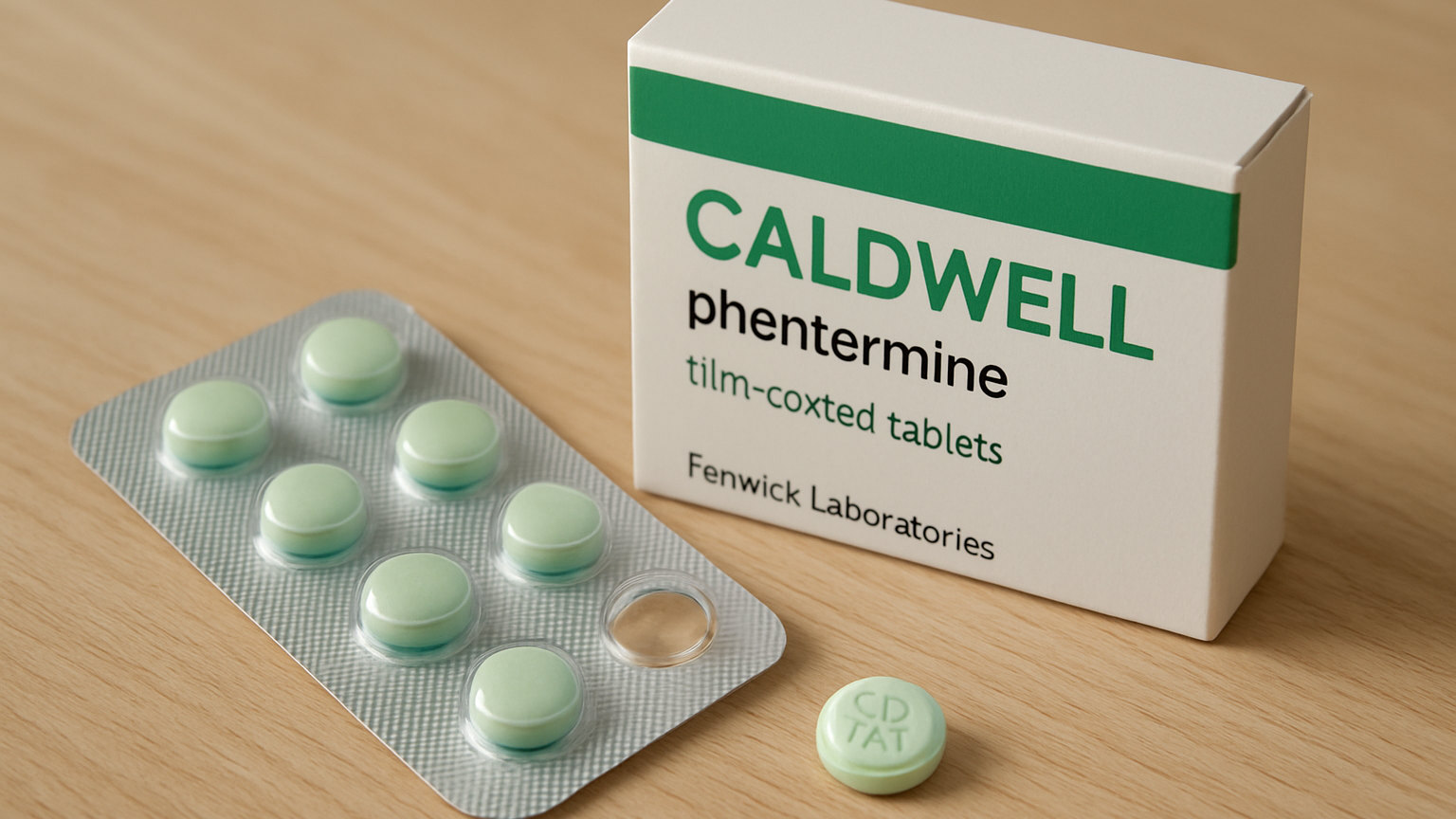
Phentermine is an appetite suppressant related to amfetamine, widely prescribed for weight management in the United States. It is not licensed in the UK and has not been available here for many years. Anyone researching weight loss medication will encounter it, usually on websites offering to supply it, so it is worth understanding why it is not available here and what is.
Why it is not licensed here
Centrally-acting appetite suppressants were withdrawn across Europe following a regulatory review that concluded the modest, short-term weight loss they produced did not justify their cardiovascular and psychiatric risks.
That assessment was shaped by the history of the class. Fenfluramine and dexfenfluramine, used in the combination known as fen-phen, were withdrawn worldwide in the 1990s after being linked to heart valve damage and pulmonary arterial hypertension. Sibutramine was withdrawn later after a trial found an increase in heart attacks and strokes.
Phentermine itself was not the component implicated in the valve problems, and it remains licensed in the United States for short-term use. European regulators took a different view of the risk-benefit balance, and that position has not changed.
The risks it carries
Raised blood pressure and heart rate. Palpitations. Insomnia, restlessness, anxiety and irritability. Dry mouth and constipation.
It is a controlled substance in the United States because it has potential for misuse and dependence, being chemically related to amfetamine.
It is not suitable for anyone with cardiovascular disease, uncontrolled hypertension, hyperthyroidism, glaucoma, a history of substance misuse, or during pregnancy - and it interacts significantly with antidepressants, particularly monoamine oxidase inhibitors.
Buying it online
Phentermine is sold by websites that will supply without a genuine consultation, and often shipped from outside the UK.
Three problems follow. There is no assurance the product contains what it claims - counterfeit weight loss products are common and have contained withdrawn substances including sibutramine. Nobody has checked your blood pressure, heart or medicines. And importing an unlicensed medicine may be unlawful and can result in it being seized.
Our guide to checking an online pharmacy is legitimate covers verification, and the simple test applies here: a site that will sell a prescription medicine without asking anything is telling you what kind of site it is.
Products marketed with names resembling phentermine, sold as supplements, are a separate category again - unregulated, of unknown content, and sometimes adulterated with prescription drugs.
What is licensed in the UK
Orlistat, which blocks fat absorption in the gut. Available on prescription and, at lower strength, from pharmacies after a consultation. Modest weight loss, and side effects directly proportional to how much fat you eat - see orlistat.
GLP-1 receptor agonists - semaglutide, liraglutide and tirzepatide - which act on appetite signalling and produce considerably greater weight loss than anything previously available. These are prescribed within defined criteria, usually through specialist weight management services, and access on the NHS has been limited. See semaglutide, including what the trials found about stopping.
Naltrexone with bupropion is licensed in the UK as a combination for weight management, acting on appetite and reward pathways - see naltrexone.
Bariatric surgery remains the most effective intervention for people who meet the criteria.
The counterfeit problem with what is available
Demand for GLP-1 medicines has far outstripped supply, and falsified pens have been seized in the UK - some containing insulin rather than semaglutide, with people hospitalised as a result.
If you are considering weight loss medication, get it through a registered pharmacy with a prescription from someone who has actually assessed you. See weight loss injections bought online.
If you already take it
Some people obtained phentermine abroad, or take it having moved to the UK from a country where it is prescribed.
If that applies to you, tell your GP - not to be lectured, but so that it appears on your record and your blood pressure and heart rate are being watched. It also matters for interactions, particularly with antidepressants and anaesthetics.
Do not simply stop if you have been taking it for a long period; discuss it, since abrupt withdrawal of a stimulant causes fatigue and low mood.
What actually helps alongside
No weight loss medicine works well without the rest. Structured dietary and behavioural support produces considerably better results than any drug alone, and referral is reasonable to ask your GP about.
It is also worth reviewing whether a medicine you already take is contributing - several commonly prescribed drugs cause weight gain, and switching is sometimes possible. See medicines and your weight.
Thyroid disease, some hormonal conditions and sleep apnoea all affect weight and are worth excluding.
If this was useful, Rilpivirine: The Partner Drug in HIV Injections is worth reading next, and Medicines collects the rest.