Rilpivirine is a non-nucleoside reverse transcriptase inhibitor, binding to the enzyme HIV uses to copy its genetic material and distorting it so it cannot work. It is used in oral combinations and, more prominently now, as the partner to cabotegravir in long-acting injections. As a tablet it has two absorption requirements that trip people up constantly - and both disappear when it is given by injection.
Follow the plan your HIV team gave you. This guide contains no doses.
It must be taken with a proper meal
Oral rilpivirine is absorbed poorly without food. A substantial meal - not a snack, not a drink, and not a protein shake - increases absorption significantly.
Taken on an empty stomach, levels fall enough to risk treatment failure and resistance. Taken with only a light snack, they fall too.
Take it with your main meal of the day, at the same time each day. This is not a tolerability instruction like "take with food to avoid nausea" - it is an absorption requirement, and it is the commonest reason oral rilpivirine underperforms.
Acid-reducing medicines block it
Rilpivirine needs an acidic stomach to dissolve. Raising stomach pH reduces absorption substantially.
Proton pump inhibitors are contraindicated - omeprazole, lansoprazole, esomeprazole, pantoprazole. Not "separate by two hours", but not to be taken at all alongside oral rilpivirine, because their effect lasts all day.
H2 blockers such as famotidine can be used but must be strictly separated - typically taken well before or well after. Antacids also need separating.
See omeprazole and famotidine. This interaction is easily missed because PPIs are bought over the counter and not thought of as significant.
If you take HIV medication, check before buying anything for indigestion.
The injection avoids both
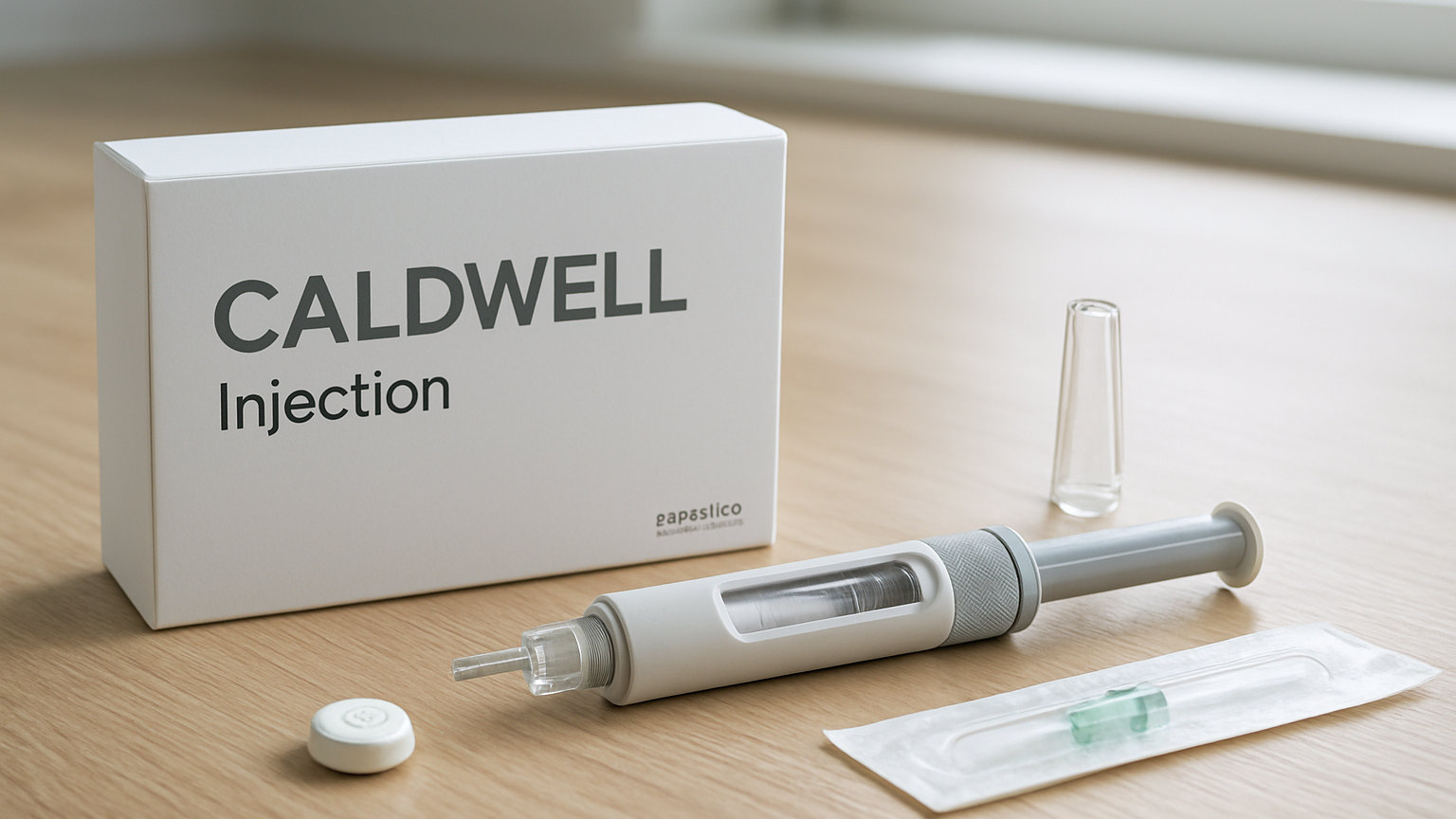
Given with cabotegravir as a long-acting injection, rilpivirine bypasses the gut entirely. No meal requirement, no acid problem.
That is a substantial practical gain, and it is one reason the injectable combination suits people who struggled with the oral version. See cabotegravir for how the schedule works and why missing appointments matters.
Storage and the injection schedule
The injectable form is kept refrigerated by the clinic and brought to room temperature before use, which is part of why it is given at appointments rather than self-administered.
Injections go into the buttock muscle on both sides at the same visit - cabotegravir and rilpivirine are separate injections rather than a single mixed one. Soreness afterwards is expected and settles over a few days.
It is not for everyone
Rilpivirine is less effective at high viral loads. It is generally not used as initial treatment where the viral load is above a defined threshold or the CD4 count is low, because failure and resistance rates rise.
It also has a relatively low barrier to resistance - a single mutation can compromise it, and that mutation often confers cross-resistance to other drugs in its class, narrowing future options.
That is why consistent dosing matters so much here, and why the food and acid rules are not optional details.
Heart rhythm
Rilpivirine can lengthen the QT interval at higher than recommended doses.
It is used with caution alongside other medicines that do the same, and where potassium or magnesium is low - see medicines that affect your heart rhythm and magnesium.
Report fainting or palpitations.
Other interactions
Enzyme inducers reduce rilpivirine levels and are contraindicated: rifampicin and rifabutin, carbamazepine, phenytoin, and St John's wort.
Dexamethasone in more than a single dose is also contraindicated, which occasionally surprises people receiving it for another reason.
See carbamazepine. Tell every prescriber, dentist and pharmacist that you take HIV medication and check anything new, including over-the-counter products.
Side effects
Generally well tolerated, and notably better tolerated than efavirenz, the older drug in the same class.
Headache, nausea, tiredness, insomnia, vivid dreams and depression are the common ones. Mood changes are worth reporting rather than enduring, since alternatives exist.
Raised liver enzymes occur - report jaundice or dark urine. A rise in creatinine early in treatment reflects a transport effect rather than kidney damage, as with several antiretrovirals.
In prevention
Rilpivirine is not used for pre-exposure prophylaxis on its own. Where it appears in prevention, it is as the partner to cabotegravir in the injectable treatment regimen rather than as a preventive agent.
That distinction matters because the two injectable products are easily confused by name. If you are offered long-acting injections, check whether you are being offered treatment or prevention - see cabotegravir.
Adherence
HIV mutates constantly, and intermittent levels select resistant virus. With rilpivirine's lower resistance barrier, the margin is narrower than with integrase inhibitors.
If the meal requirement is the obstacle - and for people who eat irregularly it frequently is - say so. That is precisely the situation the injection was designed for, and switching is a reasonable conversation to have.
If this was useful, Hyoscine: Travel Sickness and Stomach Cramps is worth reading next, and Medicines collects the rest.