Semaglutide is a GLP-1 receptor agonist, a class of medicine that mimics a gut hormone released after eating. It slows stomach emptying, prompts insulin release when glucose is high, and acts on appetite signalling in the brain. It is licensed for type 2 diabetes and, at a different dose and under a different brand, for weight management. The trial results are genuinely striking. So is what happens when people stop, and both halves belong in the same conversation.
Follow the plan your prescriber gave you. This guide contains no doses.
What the trials found
In type 2 diabetes, semaglutide lowers HbA1c substantially and produces weight loss alongside - unusual among diabetes treatments, many of which cause weight gain. Cardiovascular outcome trials also found a reduction in heart attacks and strokes in people with diabetes at high cardiovascular risk.
In weight management, trials in people with obesity found average weight loss well into double figures as a percentage of body weight over around a year - considerably more than any previous medicine achieved, and approaching what some surgery delivers, though not matching it.
Later work has reported benefits in heart failure with preserved ejection fraction, in kidney outcomes, and in reducing cardiovascular events in people with obesity but without diabetes. This is a genuinely significant class of drug rather than a fashion.
What the trials also found
Weight returns after stopping. In the withdrawal studies, participants regained a large proportion of the weight lost within about a year of stopping, and cardiometabolic improvements reversed with it.
That is not a failure of willpower - it is what happens when you remove a treatment for a chronic relapsing condition, in the same way blood pressure rises when a blood pressure tablet stops. But it means the honest framing is long-term treatment rather than a course, and that is frequently not what people are told when they start.
Muscle loss accompanies the fat loss, as it does with any substantial weight reduction. Adequate protein intake and resistance exercise matter more here than usual.
Side effects
Nausea, vomiting, diarrhoea and constipation are very common, worst after each dose increase, and usually settle. Eating smaller portions, stopping when full and avoiding fatty food all help - the drug slows stomach emptying, so large meals sit uncomfortably.
Seek medical advice for severe, persistent abdominal pain radiating to the back, with or without vomiting, which can indicate pancreatitis and needs assessing.
Gallstones are more common with rapid weight loss generally. Our guide to GLP-1 injections covers what to expect week by week.
It does not cause hypoglycaemia on its own, but it can when combined with insulin or a sulfonylurea, and those doses are often reduced when it is started - see sulfonylureas.
Who should not take it
It is avoided in people with a personal or family history of medullary thyroid carcinoma or the MEN 2 syndrome, and in pregnancy - it should be stopped well before conception.
Caution applies with a history of pancreatitis, significant gastroparesis, or severe gastrointestinal disease. Tell your anaesthetist before any procedure requiring sedation, because delayed stomach emptying affects fasting requirements.
The counterfeit problem
Demand has far outstripped supply, and falsified pens have been seized in the UK. Some contained insulin rather than semaglutide - people have been hospitalised with hypoglycaemia as a result.
Buy only through a registered pharmacy with a genuine prescription from a prescriber who has actually assessed you. A site that will sell without a consultation, or that has stock when legitimate pharmacies do not, is telling you something.
Our guides to weight loss injections bought online and checking an online pharmacy is legitimate cover verification.
Ozempic, Wegovy and the tablet
Semaglutide is sold under different brand names for different indications and at different doses - one for type 2 diabetes, one for weight management, and an oral tablet form. They are not interchangeable, and prescribing is by brand for that reason.
The oral version has specific instructions about taking it on an empty stomach with a small amount of water and waiting before eating or taking anything else, because absorption is otherwise poor. Our guide to why some medicines are prescribed by brand covers this group.
Practical points
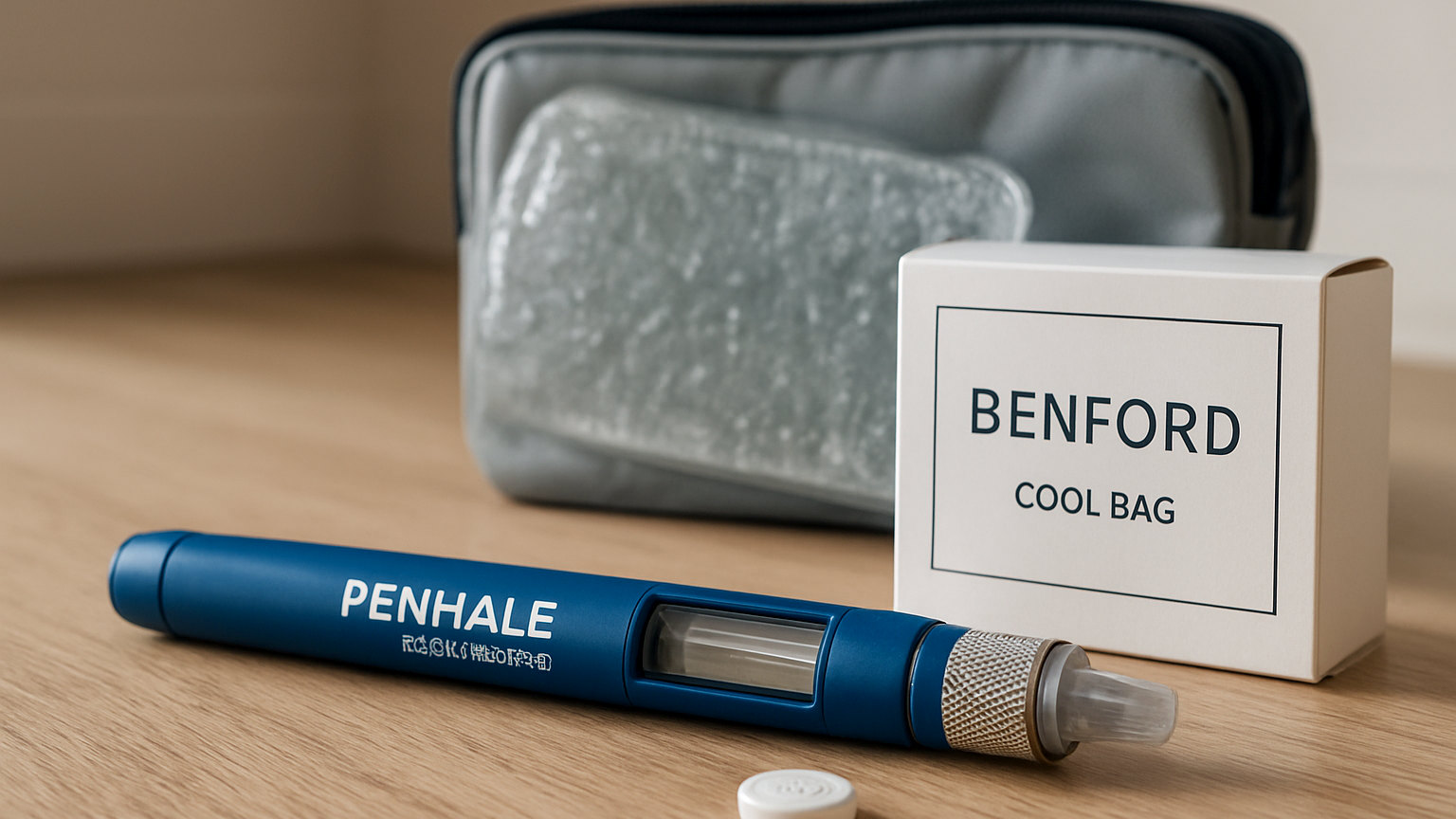
Injections are weekly, on the same day each week, into the abdomen, thigh or upper arm, rotating sites. Unopened pens go in the fridge - see medicines that need the fridge.
Used needles go in a sharps bin, not the household bin - see needles and sharps disposal.
NHS access for weight management is through specialist services with defined criteria, and availability has been limited. Your GP can explain what applies locally.
See also Empagliflozin: SGLT2 Inhibitors Explained, and the Medicines section for more on how the main families of medicine work.