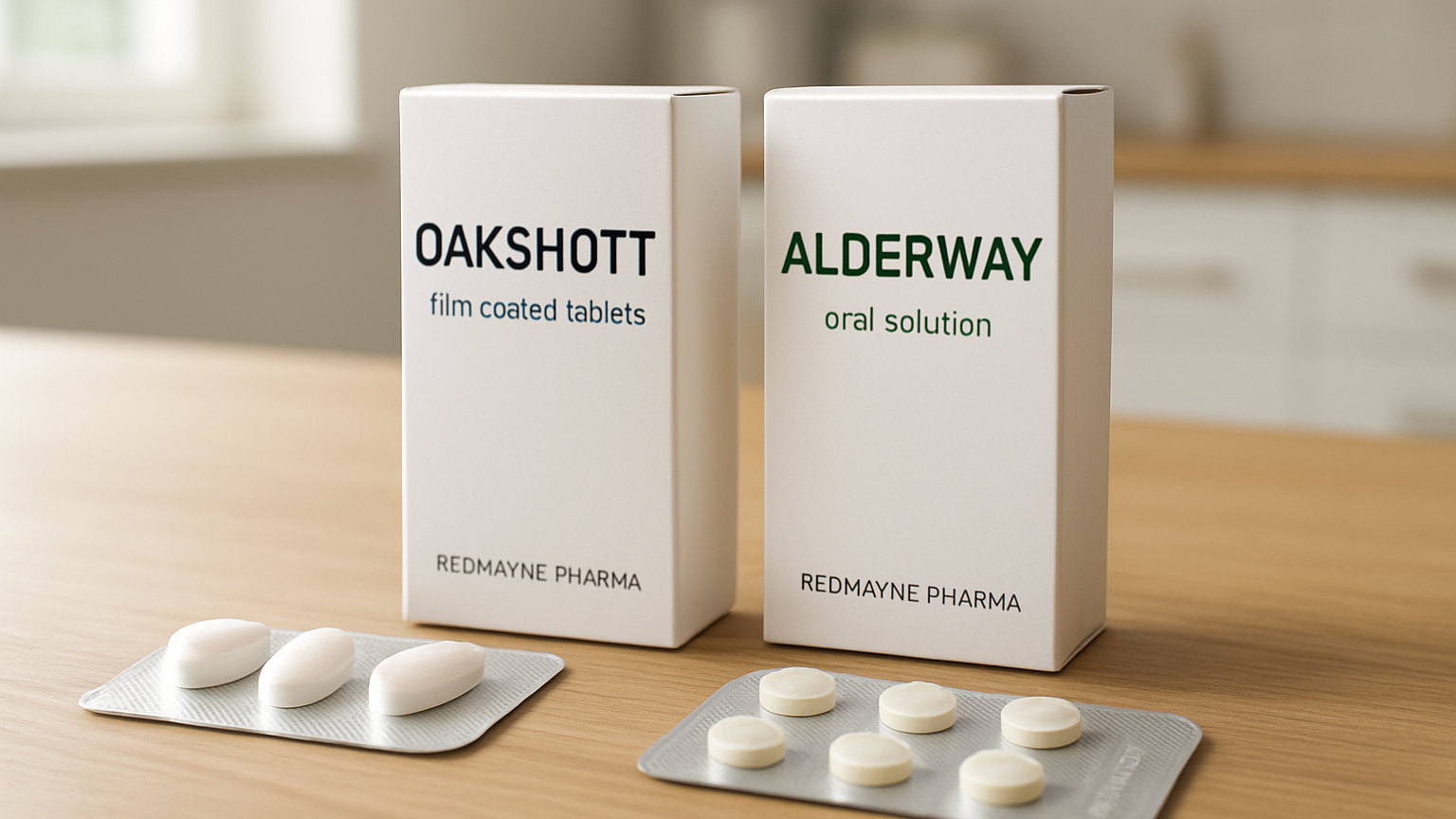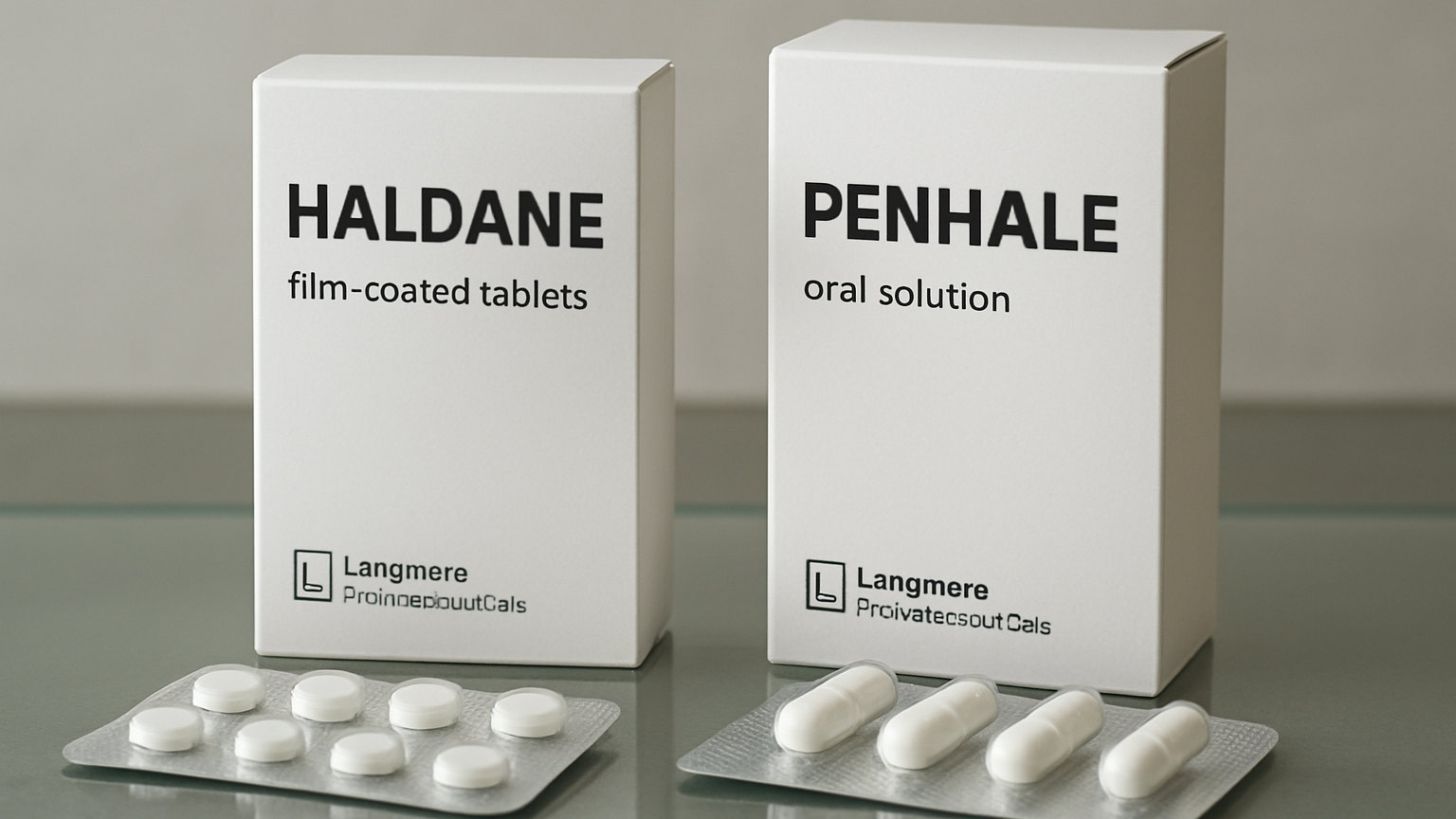
Combination products put two or more active ingredients into a single tablet, inhaler or injection. They reduce the number of things you have to take, which genuinely improves how reliably medicines get taken. They also create a specific hazard: when the ingredient is hidden inside a product named after neither of its components, it is easy to end up taking the same drug twice.
The advantages are real
Adherence improves measurably when the number of separate items falls, and that effect is not trivial - medicines only work if taken.
Fewer items also means fewer prescription charges in England, fewer packets to store, and less to manage when travelling.
Some combinations work better than either component alone - a steroid plus a long-acting bronchodilator in asthma, calcipotriol with betamethasone in psoriasis, and sacubitril with valsartan in heart failure.
See calcipotriol and valsartan.
The duplication problem
This is where harm happens.
Co-codamol, co-dydramol and a long list of cold, flu and night-time remedies contain paracetamol under brand names that do not mention it.
Someone taking co-codamol for back pain, a flu remedy for a cold, and paracetamol for a headache can exceed the daily maximum without taking a single tablet labelled paracetamol. Paracetamol overdose produces no symptoms at first, which is what makes this dangerous.
The same risk applies elsewhere: two inhalers containing the same steroid, an ARB taken alongside a combination product that already contains one, or a separate diuretic added to a combination that includes one.
Read the ingredients panel rather than the brand name, and check before combining anything.
See paracetamol and over-the-counter interactions.
You cannot adjust the components separately
The main clinical drawback.
If one component causes a side effect, or one needs its dose changing, a fixed combination cannot accommodate that - you have to switch to separate products, adjust, and possibly switch back.
That is why combinations are generally used after the doses of each component have been established separately, rather than as a starting point.
It also means that if you develop kidney impairment and need one component reduced, the combination may have to go.
Working out what caused a side effect
If you react to a combination product, it is not immediately clear which ingredient is responsible.
Establishing that usually means separating them temporarily, which is worth doing rather than abandoning both - one of them may be perfectly tolerated and may be something you need.
The same applies to allergy: "allergic to co-amoxiclav" does not tell you whether the problem was the amoxicillin or the clavulanic acid, and that distinction matters.
Common combinations worth knowing
Painkillers: co-codamol and co-dydramol contain paracetamol; several branded remedies contain paracetamol plus a decongestant or a sedating antihistamine.
Blood pressure: many ARBs and ACE inhibitors come combined with a thiazide diuretic or with amlodipine.
Diabetes: metformin is combined with several other agents in single tablets.
Inhalers: a steroid with a long-acting bronchodilator, and triple therapy adding a third. Check you are not also on a separate inhaler containing the same thing - see budesonide and MART.
HIV treatment: single-tablet regimens combining three or four agents.
Skin: steroid combined with an antifungal or an antibiotic - useful short-term, and frequently misused long-term. See betamethasone.
Naming conventions
UK combination products often begin with co- - co-codamol, co-amoxiclav, co-trimoxazole, co-careldopa - which is a useful signal that more than one ingredient is present.
Many others do not follow any convention, and brand names give no clue at all.
The numbers in a name sometimes indicate the ratio of ingredients, and products with different ratios are not interchangeable.
See how medicines get their names.
Practical steps
Know what is in each of your products - the active ingredients, not just the name. Write them on your medicines list.
Tell any prescriber the ingredients, not the brand, particularly in an emergency or abroad.
Ask the pharmacist to check for duplication whenever something new is added, especially inhalers and painkillers.
Do not crush or split combination products without checking - many are modified-release.
See keeping a medicines list and cutting and crushing tablets.
Cost
In England a combination counts as one item for prescription charging, so it can be cheaper than two separate products.
The NHS cost sometimes runs the other way, with the combination more expensive than its components - which is why practices do not always use them.
If cost is affecting whether you take something, say so - see is a prepayment certificate worth it.
If this was useful, Why Do My Tablets Look Different This Month? is worth reading next, and Prescriptions collects the rest.