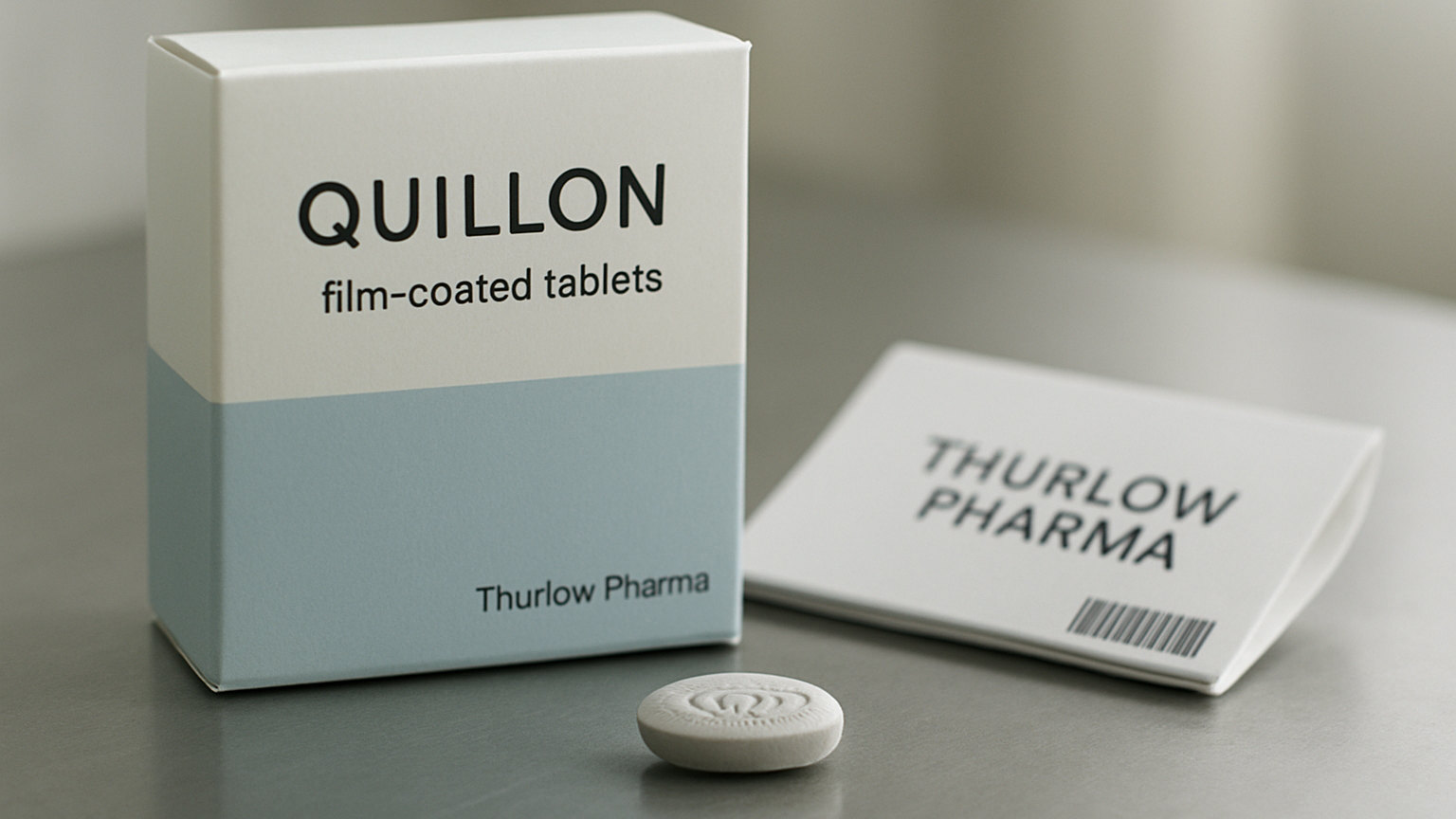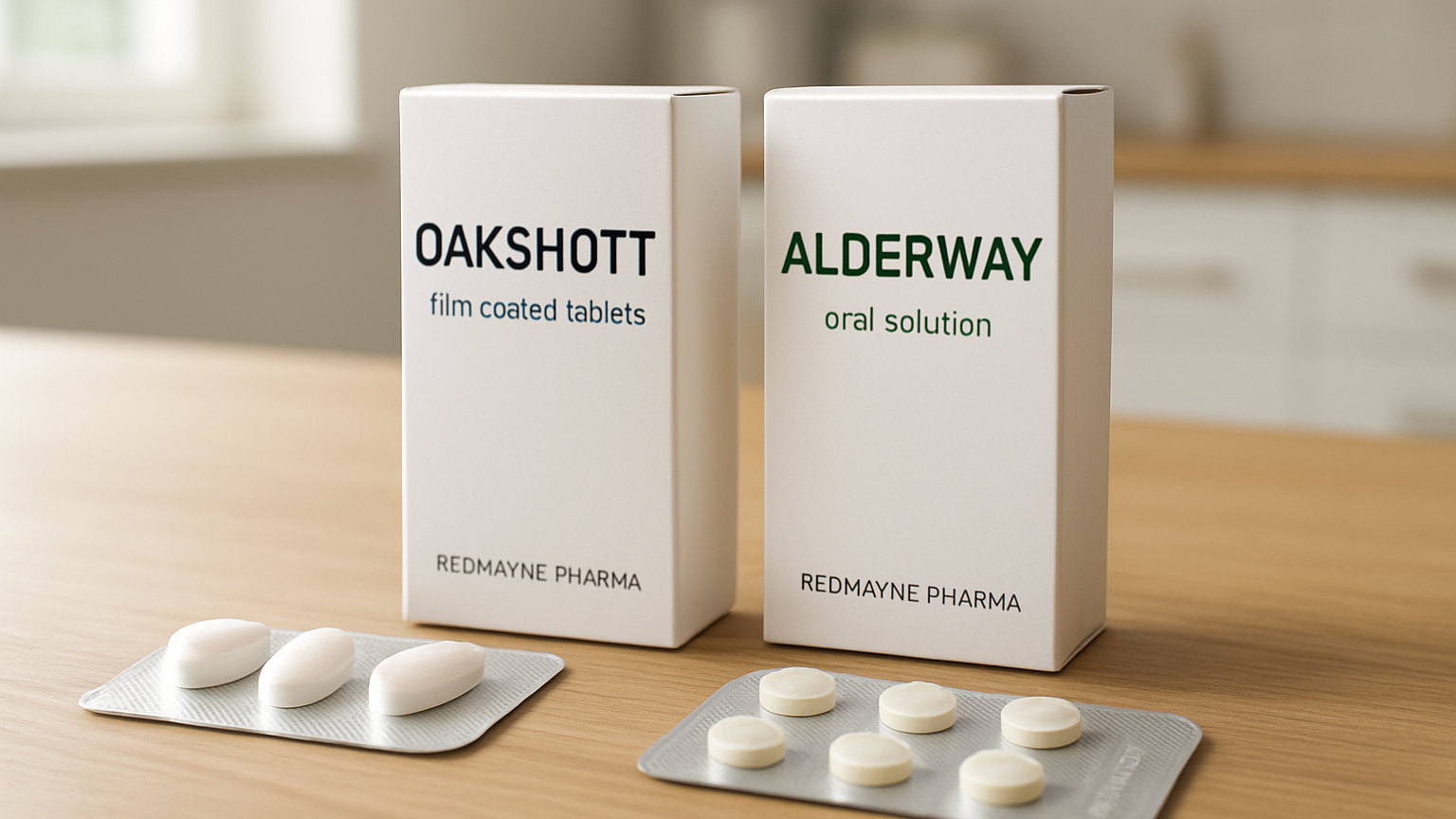
If your tablets have changed shape, colour or name but the strength on the label is the same, your pharmacy has almost certainly bought that batch from a different generic manufacturer. The active ingredient and the amount of it are the same, and the medicine will work the same way. Colour, shape, markings and the name on the box are cosmetic and commercial, not clinical.
There is a short list of medicines where consistency of brand does matter, and it is worth knowing whether yours is on it.
What a generic actually is
When a company develops a new medicine it holds a patent, usually for around twenty years from filing, during which it is the only supplier and recovers its development costs. When the patent expires, other manufacturers may make the same drug. Those are generics.
A generic contains the same active ingredient at the same strength in the same form. What differs are the inactive ingredients - fillers, binders, coatings and colourings - which is why the tablet looks different.
The name changes too. Every medicine has a generic name (the drug itself, such as atorvastatin) and may have several brand names (Lipitor and others). Prescribers are generally encouraged to prescribe by generic name, which lets the pharmacy dispense whatever it has in stock. That is why the box can be different each time.
Are generics as good?
Yes, and the requirement is not a formality. Before a generic can be sold in the UK it must demonstrate bioequivalence: studies showing it delivers the active ingredient into the bloodstream at a rate and to an extent statistically equivalent to the original. Manufacturing is inspected to the same standards, and the MHRA regulates generics and originals alike.
The saving is enormous - generics typically cost a small fraction of the branded price, and they are one of the main reasons the NHS can afford to treat as many people as it does. Choosing to dispense a generic is not the NHS cutting corners on you.
You will also notice the price you pay never changes. The prescription charge is flat regardless of what the item costs, so a switch to a cheaper generic saves the NHS money, not you - see our guide to prescription charges.
Where brand consistency does matter
For a small number of medicines, prescribers are advised to keep patients on the same manufacturer's product. These are drugs with a narrow margin between an effective and a problematic level, or where formulation genuinely affects absorption:
- Some epilepsy medicines, where guidance places drugs into categories and advises consistent supply for certain ones, because small differences in blood level can affect seizure control
- Thyroid replacement, where some people are sensitive to switching between products
- Modified-release preparations, where the release mechanism differs between manufacturers and the products are not interchangeable
- Ciclosporin, tacrolimus and similar transplant medicines, which are prescribed by brand
- Lithium, where different preparations differ in availability
- Biological medicines and biosimilars, which are recorded by brand and batch
If yours falls into one of these, the prescription should specify the brand or manufacturer. If you are on one of these medicines and the product has changed without discussion, ask the pharmacist - it is a reasonable question and they will check.
When to query a change
Query it before leaving the pharmacy if the strength on the label differs from what you expect, if the number of tablets is different without explanation, if you are on one of the medicines above, or if you simply cannot reconcile the new box with the old one. Pharmacists would far rather answer a question at the counter than have you take something you are uncertain about.
Do not throw away the old packaging until you have checked. Having both boxes makes the conversation immediate.
Inactive ingredients can matter
Occasionally a change genuinely does affect someone. Different fillers can matter to people with coeliac disease or a lactose intolerance, and colourings occasionally cause reactions. If you have a known sensitivity, tell your pharmacy so it can be recorded and the same product supplied where possible.
Some people also find a physical difference matters in practice - a larger tablet is harder to swallow, and a change of colour or shape is a genuine problem for anyone managing several medicines by appearance. Both are worth raising; pharmacies can often order a specific product, and there may be a liquid or dispersible alternative.
Keeping track when the packaging keeps changing
Learn your medicines by generic name and strength rather than by the look of the box. It is the name that stays constant, and it is the one that will be recognised in a hospital or abroad - useful when travelling with medicines.
Keep a single up-to-date list of what you take. Ask your pharmacy about a multi-compartment blister pack if managing several is difficult, and use the same pharmacy where you can so your record stays in one place.
If your medicine suddenly becomes unavailable rather than merely different, that is a shortage rather than a generic switch, and pharmacists have limited authority to substitute without going back to the prescriber. Our guide to medicine shortages covers what happens then.
The Prescriptions section covers more on prescriptions and pharmacy services - Why Some Medicines Are Prescribed by Brand is closely related to this one.