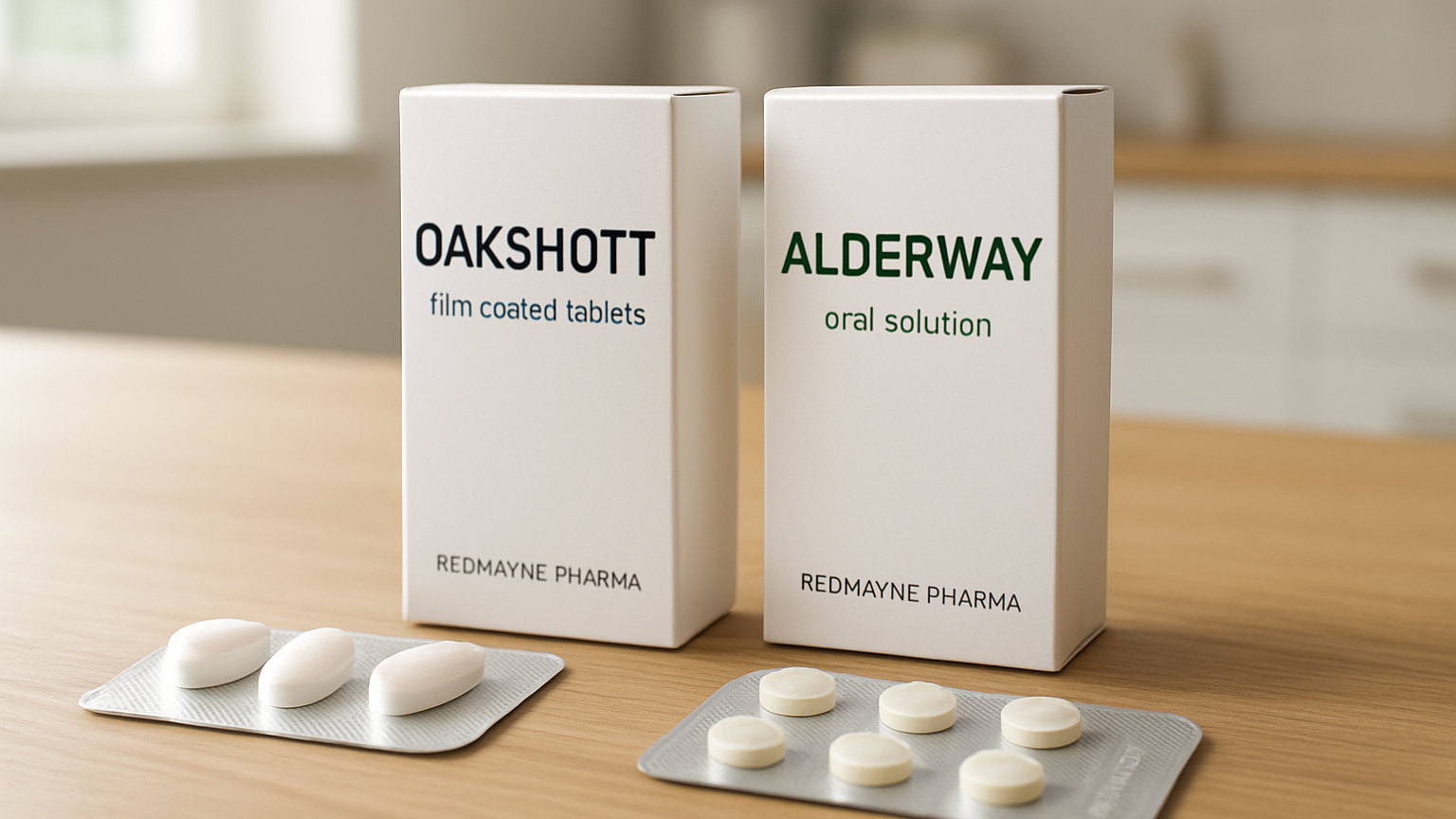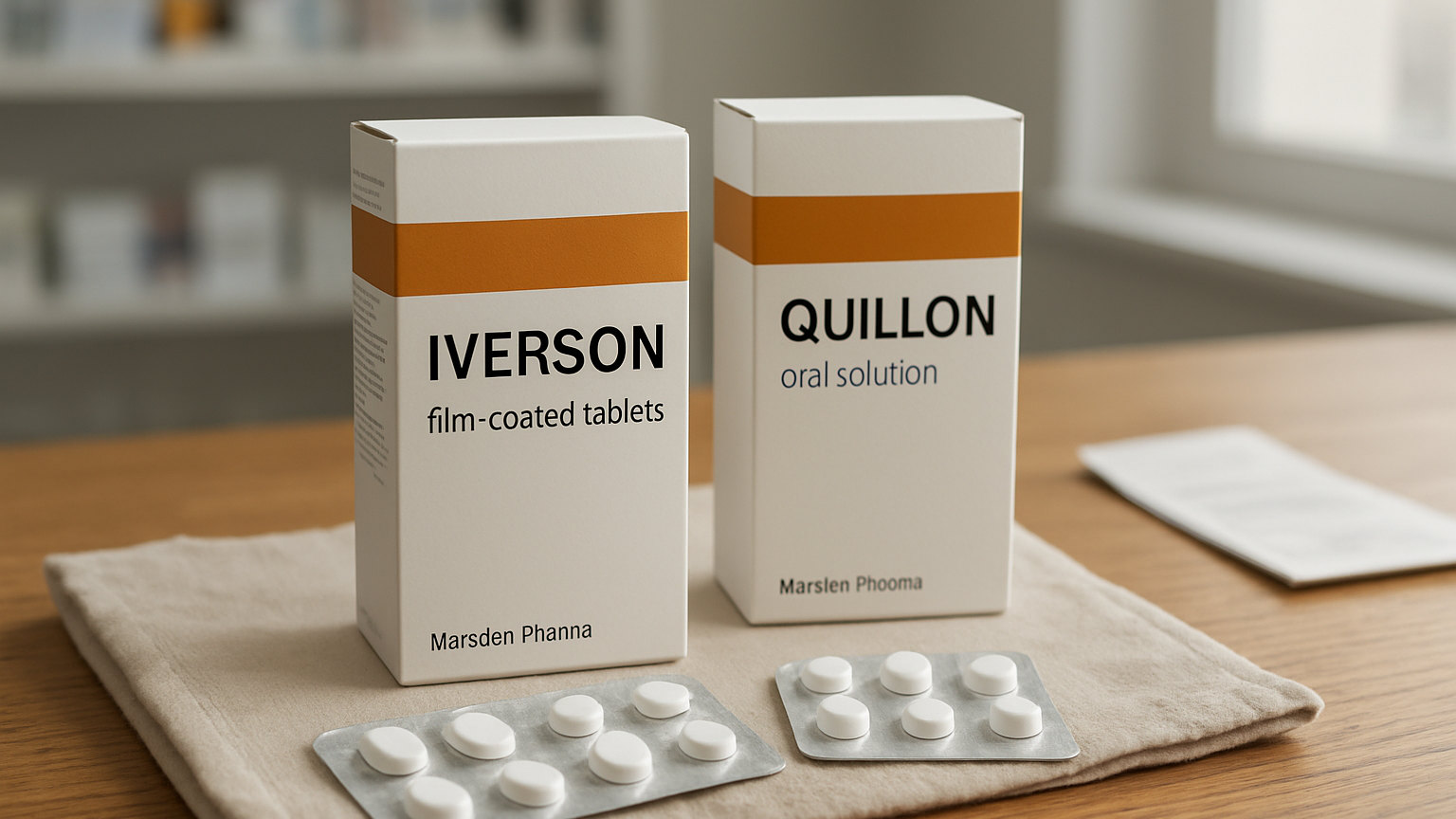
Most UK prescriptions are written using the generic name of the drug, which lets the pharmacy dispense whichever manufacturer's version it has in stock. For a defined minority of medicines, prescribers are advised to specify the brand or manufacturer instead - because small differences in formulation genuinely matter for those drugs. If your prescription names a brand, that is usually deliberate, and if the product you are given changes anyway, it is worth querying at the counter.
Why generic prescribing is the default
A generic contains the same active ingredient at the same strength in the same form, and must demonstrate bioequivalence before it can be sold - studies showing it delivers the drug into the bloodstream at an equivalent rate and extent. Manufacturing is inspected to the same standards, and the MHRA regulates generics and originals alike.
The savings are enormous and are a large part of why the NHS can treat as many people as it does. Our guide to why your tablets look different covers this in more detail.
Where brand consistency matters
Some epilepsy medicines. Guidance places antiepileptics into categories according to how much variation in blood level could affect seizure control. For the most sensitive category, patients should be maintained on a consistent manufacturer's product. Even small differences in absorption can matter when the margin between seizure control and breakthrough is narrow.
Modified-release preparations. The release mechanism differs between manufacturers, so different companies' versions of the same modified-release drug are not necessarily interchangeable. This is why some are prescribed by brand, and why they must never be crushed - see our guide to cutting and crushing tablets.
Ciclosporin, tacrolimus and other transplant medicines. Levels are tightly controlled and a switch can affect graft survival, so these are prescribed and dispensed by brand.
Lithium. Different preparations differ in how much drug is available, and lithium has a narrow margin between effective and toxic. Our guide to monitoring covers the blood tests that go with it.
Biological medicines and biosimilars. These are large, complex molecules produced in living cells rather than synthesised chemically, so a biosimilar is highly similar rather than identical. They are recorded by brand and batch, and switching is a clinical decision rather than a dispensing one.
Insulin. Different insulins and different devices are not interchangeable, as our guide to starting insulin explains.
Some inhalers. The device affects how much drug reaches the lungs, so switching device type is a decision that should come with retraining - see using your inhaler properly.
Levothyroxine is a more debated case. Most people switch between products without difficulty, but a minority appear sensitive to it, and where that has been established a consistent product may be specified.
What to do if it changes anyway
Query it at the counter before you leave. Pharmacists would far rather answer a question than have you take something you are uncertain about, and they can check whether the prescription specified a brand.
Bring the old packaging if you still have it - having both boxes makes the conversation immediate. And do not throw the old box away until you have checked.
If a shortage means your usual brand is unavailable, the pharmacist generally cannot substitute a different one without going back to the prescriber, unless a Serious Shortage Protocol is in place. Our guide to what to do if your medicine is out of stock covers that process.
If you think you react differently to a particular product
It happens, and not only for the medicines listed above. Inactive ingredients differ between manufacturers, which matters for people with coeliac disease, lactose intolerance or specific sensitivities. Physical differences matter too - a larger tablet that is harder to swallow, or a change of colour that disrupts a system built around recognising tablets by appearance.
Tell your pharmacy so it can be recorded and the same product supplied where possible. If you believe a switch caused a genuine clinical problem - loss of seizure control, a return of symptoms - tell your GP, and report it through the Yellow Card scheme, which accepts reports about specific products and batches. Our guide to Yellow Card explains why that data matters.
What this does not mean
It does not mean branded medicines are better in general. For the overwhelming majority of drugs, the generic is equivalent in every way that matters and the choice of manufacturer is irrelevant to you.
The exceptions above are specific, evidence-based and limited. If your medicine is not on a list like this, a change of manufacturer is not something to worry about - learn your medicines by generic name and strength rather than by the look of the box.
More on prescriptions and pharmacy services in the Prescriptions section, including Are Supermarket Own-Brand Medicines the Same?.