
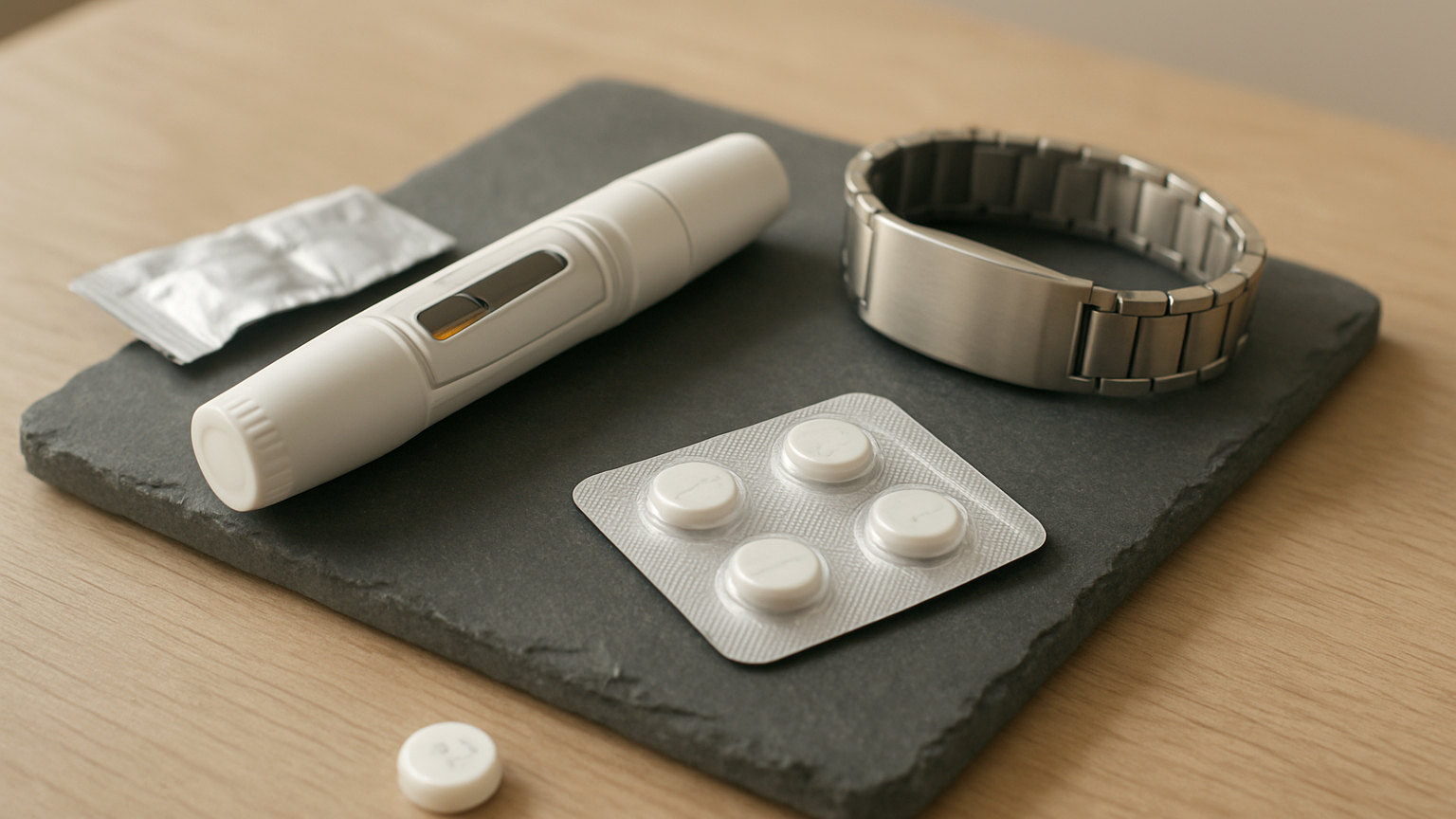
Around one in ten people in the UK has penicillin allergy recorded, and when properly assessed the large majority turn out not to be allergic. Some never were - the record reflects a childhood tummy upset or a rash during a viral illness that happened to coincide with a course. Others genuinely were, but penicillin allergy commonly fades over a decade or more. The label follows you for life and pushes prescribers onto second-choice antibiotics, so it is worth getting right.
Why an incorrect label causes harm
This is not a paperwork issue. Carrying a penicillin allergy label means that when you need an antibiotic you get an alternative, and those alternatives are typically:
- less effective for the specific infection
- broader-spectrum, so more disruptive to your normal bacteria and more likely to cause thrush or bowel infection - see our guide to thrush after antibiotics
- more likely to drive antibiotic resistance
- sometimes only available by injection, or requiring monitoring
Studies consistently find worse outcomes among patients carrying an incorrect penicillin allergy label - longer hospital stays, more resistant infections, and more complications after surgery. It also complicates treatment at exactly the moment you can least afford it.
What the label often turns out to be
Detail is what allows the distinction to be made, and the common non-allergic explanations are:
- A side effect. Nausea, diarrhoea and thrush are predictable consequences of the drug, not immune reactions.
- A viral rash. Children get rashes during viral illnesses, and if they happened to be on an antibiotic at the time it gets blamed. This is probably the single largest source of incorrect labels.
- A family history. Allergy is not inherited in a way that justifies a label on your own record.
- A reaction that has faded. Sensitivity to penicillin often diminishes over years.
Our guide to telling an allergy from a side effect covers the general distinction.
What would make it a true allergy
Features pointing to genuine allergy include an itchy rash or hives, swelling of the face, lips or tongue, wheeze or breathing difficulty, and a reaction beginning soon after a dose - often within an hour. Anaphylaxis is the severe form, covered in our guide to anaphylaxis.
A severe delayed reaction - widespread rash with blistering or peeling, mouth or eye sores, fever, organ involvement - is also a genuine and serious reaction, and anyone with that history should not be re-exposed or tested casually.
Getting it reassessed
The process is often called de-labelling. Depending on your history it may involve nothing more than a careful conversation, or it may include skin testing and a supervised oral challenge - taking a dose under observation where treatment is immediately available.
Many people with a vague childhood history can be de-labelled on history alone. Others are referred to an allergy clinic. Availability varies around the country, and it is not something you are likely to be offered unprompted - you generally have to ask.
Good times to raise it: at an annual review, before planned surgery, before any procedure likely to need antibiotic cover, or if you have recently needed antibiotics and been given a second-choice one.
What to bring to that conversation
- the name of the medicine, if known
- what actually happened - rash, swelling, breathing difficulty, sickness
- how long after the dose it started
- how long it lasted and what settled it
- how old you were
- whether you have had any penicillin-type antibiotic since, and what happened
That last one is often decisive. Amoxicillin, flucloxacillin and co-amoxiclav are all in the penicillin family, and having taken one uneventfully since the original event is strong evidence.
Cross-reactivity with other antibiotics
Being allergic to one penicillin generally means avoiding the others. The overlap with cephalosporins is much lower than was once taught - the older teaching substantially overstated it - and many people with penicillin allergy can safely receive certain cephalosporins.
This is a decision for a clinician who knows the detail of your original reaction, which is precisely why that detail is worth capturing accurately.
What de-labelling is not
It is not someone deciding your history was imagined, and it is not a cost-saving exercise. It is a diagnostic question - does this label still describe you - answered with the same care as any other.
Nor is it something to attempt yourself. Do not test a recorded penicillin allergy by taking a leftover antibiotic to see what happens. Assessment is done where treatment is immediately available, precisely because the small minority who do react need it quickly.
If your allergy is confirmed
Make sure it is recorded on both your GP and pharmacy records - these are separate systems. Tell every new prescriber, dentist and hospital team rather than assuming it has carried across. Consider a medical alert bracelet for a severe reaction.
And do not let it go unexamined for another twenty years. If it was recorded before you can remember, it is worth asking whether it still stands.
Rashes From Medicines: What They Mean covers a related point, and the Side Effects section has the rest of these guides.


