Suppositories and pessaries are used more than people expect - for constipation, haemorrhoids, thrush, hormone replacement, inflammatory bowel disease, nausea, fever in children, and pain relief when someone cannot swallow. They are effective, and they solve problems no tablet can. Most of the difficulty is embarrassment and technique, and both are fixable.
Why this route is used
Three good reasons.
The medicine acts locally - haemorrhoid treatment, thrush treatment, or mesalazine delivered directly to inflamed bowel, which works far better than swallowing it. See mesalazine.
Swallowing is not possible - during vomiting, after surgery, in the last days of life, or in a child who will not take anything by mouth.
It bypasses the stomach, which matters where a medicine irritates or where absorption is unreliable.
See being sick after taking a dose.
Suppositories: how to insert one
Empty your bowels first if you can - a suppository inserted into a full rectum is likely to come straight back out.
Wash your hands. Remove the wrapper completely, which sounds obvious and is a common error.
Lie on your side with the upper knee drawn up towards your chest.
If it is soft, hold it under cold running water or in the fridge briefly to firm it up. If it is very dry, moisten the tip with water or a water-based lubricant - not petroleum jelly, which can interfere with the medicine.
Insert the blunt end first. This is counter-intuitive and it is what the evidence supports - the pointed end going in last allows the anal muscles to close behind it and draw it inward, rather than pushing it out.
Push it in far enough to pass the muscular ring - roughly a finger's length in an adult, less in a child.
Squeeze your buttocks together and stay lying down for fifteen to twenty minutes. This is the step most often skipped and the commonest reason they fail.
Wash your hands afterwards.
Pessaries
The principle is similar. Vaginal pessaries and creams are used for thrush, for local oestrogen, for bacterial infections and in labour.
Insert at night, lying down, so gravity is not working against you while you are upright.
Many come with an applicator - insert it as high as is comfortable, depress the plunger, then withdraw. Some applicators are single-use and some are washable.
Expect some discharge the following day; a panty liner helps, but avoid tampons, which absorb the medicine.
Do not stop during a period unless told to - though check, since some products advise waiting.
Some pessaries and creams damage latex, making condoms and diaphragms unreliable for several days. Clotrimazole is the common example, and it matters. See clotrimazole.
If it comes back out
Whether to repeat depends on timing.
Within a few minutes, largely intact - it has not been absorbed, and a replacement is usually reasonable. Check the leaflet.
After longer, or partly dissolved - do not automatically repeat, since some will have been absorbed.
If it keeps happening, the technique is usually the issue: inserting further, blunt end first, and staying lying down solves most cases.
Ring the pharmacy if you are unsure rather than guessing.
Children
Suppositories are genuinely useful in a child who is vomiting or refusing medicine.
Explain simply what is happening, keep it matter-of-fact, and have the child lie on their side with knees bent.
Insert gently and less far than in an adult, then hold the buttocks together for a minute or two.
Doses are by weight and age, and a suppository should never be cut in half unless specifically advised - the medicine is not always distributed evenly through it.
See giving medicines to children.
Storage
Many suppositories and pessaries melt at room temperature, which is the point - they are designed to melt at body temperature.
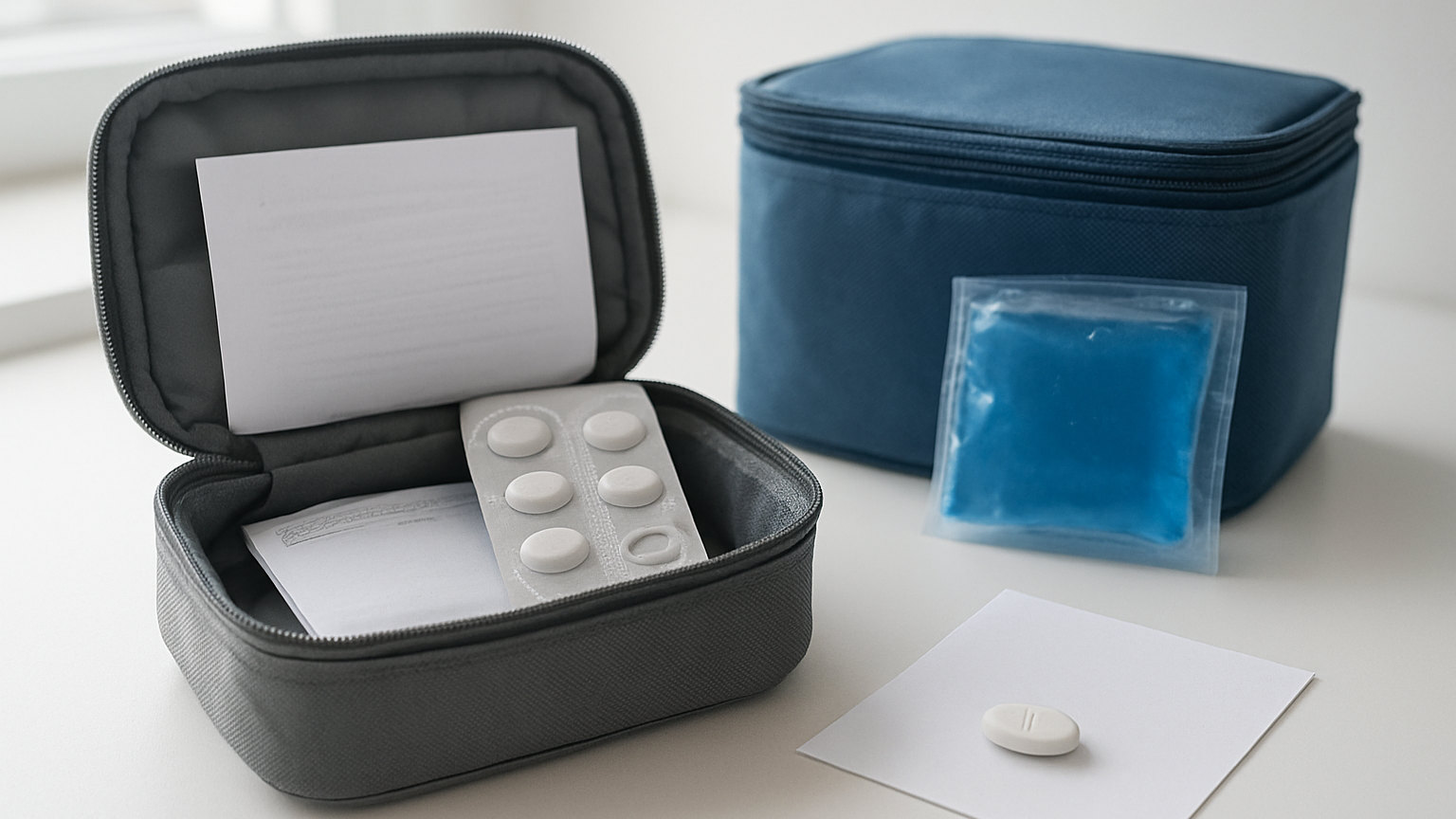
Store them somewhere cool, and check whether yours needs the fridge. Do not leave them in a bathroom, a car or a sunny windowsill.
If one has melted and resolidified out of shape, discard it, since the medicine may no longer be evenly distributed.
See how to tell if a medicine has gone off.
Enemas and rectal foams
Used mainly for bowel disease and for constipation.
Lie on your left side, which follows the shape of the bowel, and stay there afterwards for as long as instructed - frequently longer than for a suppository.
Warming a liquid enema to roughly body temperature makes it considerably more comfortable and easier to retain.
When to ask for help
Do not use rectal medicines without advice if you have had recent bowel or rectal surgery, have an anal fissure or severe haemorrhoids causing pain, have inflammatory bowel disease affecting that area, or have a low platelet or white cell count - for example during chemotherapy, where the rectal route is generally avoided.
Seek advice for bleeding, severe pain on insertion, or an increasing discharge with odour.
If you cannot manage insertion because of arthritis, reduced mobility or reach, say so - there is often an alternative formulation, and district nurses can help where needed.
Injecting Yourself at Home covers a related point, and the Usage section has the rest of these guides.