Fasting raises the same practical question in several situations - during Ramadan, before an operation, and before certain blood tests. In most cases medicines can be adapted rather than abandoned: timings moved, once-daily alternatives used, or a different formulation prescribed. What causes harm is people quietly stopping their medicines instead of asking. The conversation with a pharmacist or GP takes a few minutes, and it should happen well before the fast rather than during it.
Ramadan
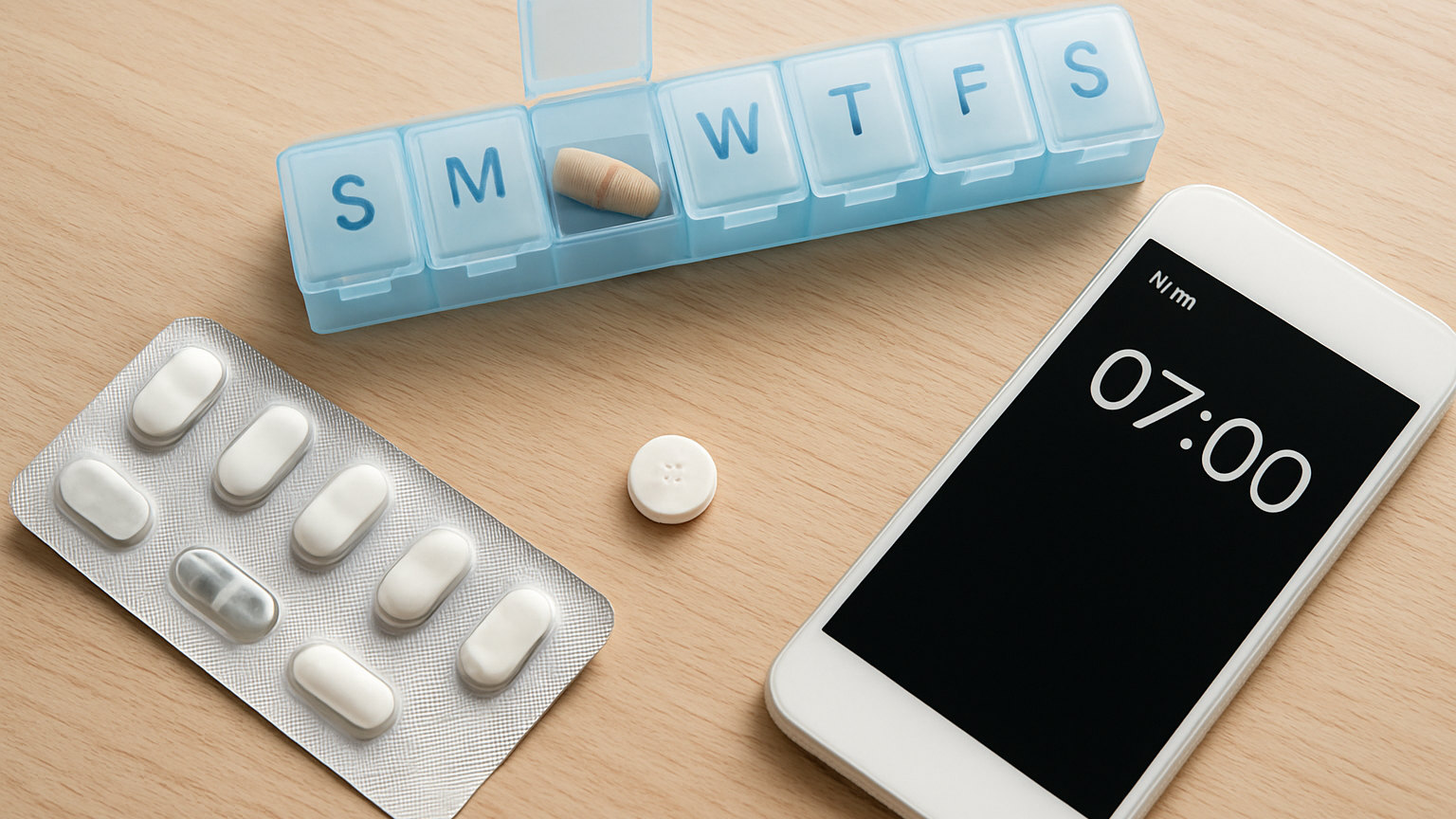
Many medicines can be rearranged around a fast without difficulty. A twice-daily medicine can often be taken before dawn and after sunset. Some can be switched to a once-daily or modified-release form. Others - inhalers, most eye drops, patches, injections and topical treatments - are generally not considered to break the fast by most scholarly opinion, though views differ and this is a personal and religious question as much as a clinical one.
Islamic guidance also recognises exemptions from fasting for people who are unwell or for whom fasting would cause harm, including some people with diabetes and some with chronic conditions. That is a matter for the individual and their religious advisers, but it is worth knowing that the exemption exists.
Diabetes needs particular planning. People treated with insulin or a sulfonylurea are at real risk of low blood sugar during a long fast, and of high blood sugar and dehydration afterwards. Doses often need adjusting, and monitoring needs to be more frequent - checking blood glucose does not break the fast. Our guide to spotting and treating hypos covers what to watch for, and a hypo must always be treated immediately.
Ask your GP or diabetes team several weeks before Ramadan, not during it. Many practices and pharmacies run Ramadan medicine reviews specifically for this.
Other medicines that need thought during a fast
- Diuretics, because of dehydration over a long day without fluids.
- ACE inhibitors, ARBs and metformin, for the same reason - our guide to sick day rules covers the kidney risk from dehydration.
- Lithium, where dehydration raises blood levels towards toxicity.
- Anticoagulants, particularly warfarin, where a change in diet affects control.
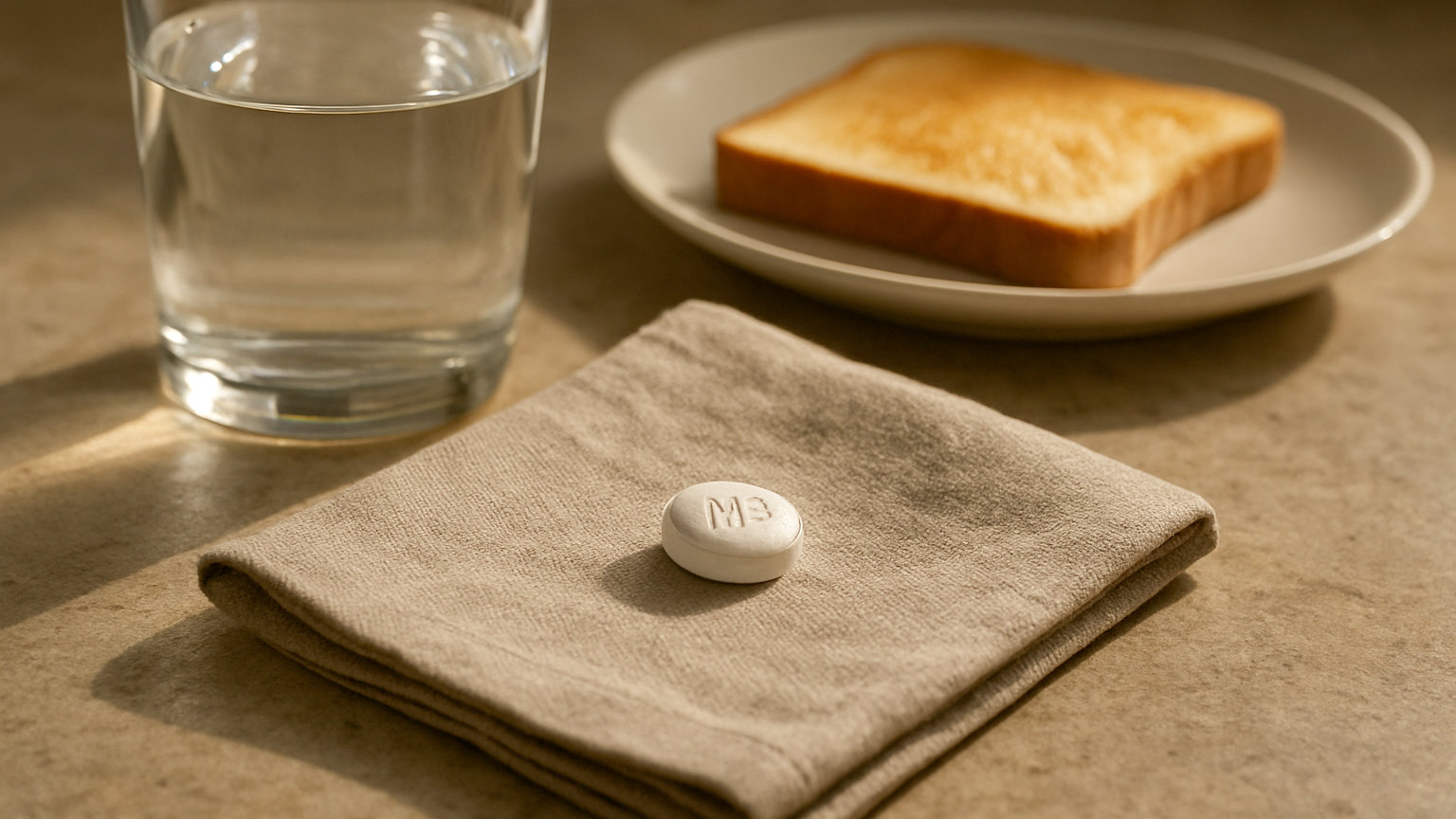
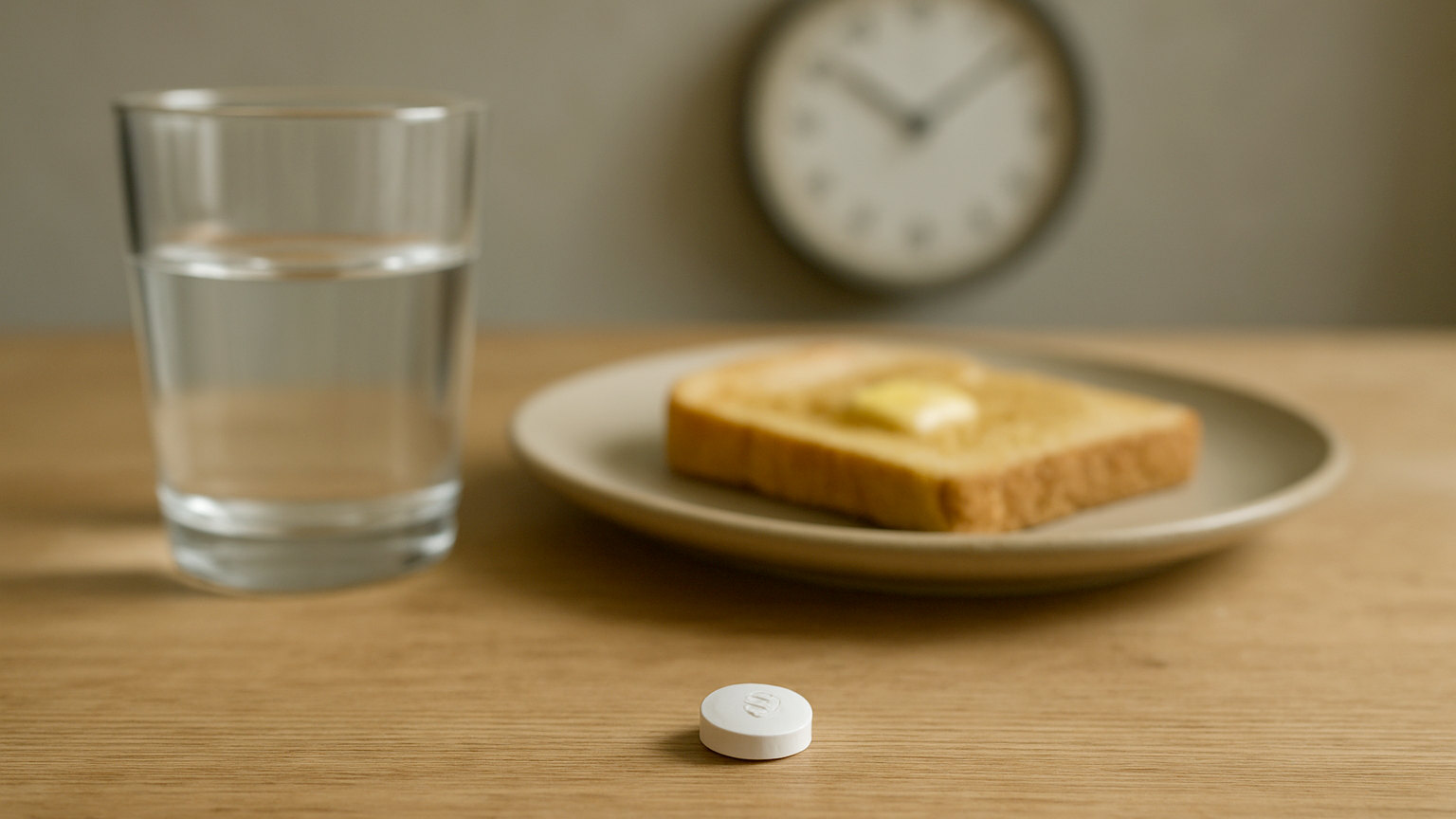
- Medicines that must be taken with food, which may need moving to the evening meal.
- Epilepsy medicines, where timing intervals matter.
Anything that must not be stopped abruptly - steroids, beta blockers, antidepressants - should never be paused for a fast. Our guide to why you cannot just stop some medicines explains why.
Fasting before an operation
This is a different situation with different rules, and the instruction usually comes from the surgical team rather than being something to work out.
In general, most regular medicines are continued and taken with a small sip of water on the morning of surgery. Certain ones are stopped in advance - some anticoagulants and antiplatelets, some diabetes medicines, and others depending on the procedure.
Two things to raise explicitly. If you take a GLP-1 injection, tell the anaesthetist well beforehand, because these slow stomach emptying and standard fasting times may not be sufficient - our guide to GLP-1 injections covers this. And if you take long-term steroids, say so, because the dose may need increasing around surgery rather than pausing - see coming off steroid tablets safely.
Do not stop anything before a procedure unless you have been told to. Stopping an anticoagulant unnecessarily carries its own serious risk.
Fasting for a blood test
Some tests require fasting - typically for glucose or lipids. Usually you may drink water, and usually you continue your normal medicines, but confirm both with whoever requested the test.
Where a medicine level is being measured - lithium, digoxin, some epilepsy medicines - the timing of your dose relative to the sample matters a great deal. Ask specifically when to take it on test day, because a sample drawn at the wrong point gives a misleading result and may lead to a dose change you did not need.
If you become unwell while fasting
Feeling faint, shaky, confused or unusually weak is a reason to stop and take fluids, not something to push through. Dehydration compounds the effect of several medicines, and a hypo in anyone on insulin or a sulfonylurea must be treated immediately regardless of the fast.
Most religious guidance is explicit that preserving health takes priority, and treating a medical emergency does not invalidate anything. If you are unsure, that is a conversation worth having with both your clinician and your religious adviser in advance rather than during it.
How to plan it
- Ask several weeks ahead, not the day before.
- Bring your full list, including anything bought over the counter.
- Ask which items can move, which can switch to once daily, and which cannot be altered.
- Ask what would mean breaking the fast or seeking help.
- Write the plan down.
Pharmacists do this routinely and can advise without an appointment, in a private consultation room - see our guide to what your pharmacist can do. Nobody will question your reasons for fasting.
If this was useful, What Does "Take With Food" Actually Mean? is worth reading next, and Usage collects the rest.