GLP-1 receptor agonists mimic a gut hormone released after eating. They prompt insulin release when blood sugar is high, slow how quickly the stomach empties, and reduce appetite - which is why they lower blood sugar and produce substantial weight loss. They are given by injection, usually weekly, and the dose is built up gradually over months specifically to limit nausea. Two things people are least often told: the warning signs of pancreatitis, and that you must tell an anaesthetist you take one before any procedure.
Follow the regimen your prescriber gave you. This guide contains no doses.
The first weeks
Nausea is very common early and after each increase, and usually settles within days to a couple of weeks at each step. Reflux, burping, constipation and diarrhoea are also common.
What helps: smaller meals, eating more slowly, stopping when you feel full rather than finishing the plate, and avoiding rich or fatty food while things settle. Constipation is common enough to plan for - our guide to why medicines cause constipation covers what to use.
The slow build-up is the main protection against side effects, which is why skipping ahead is a poor idea even when you feel fine.
Warning signs that need urgent attention
Severe, persistent abdominal pain, often radiating to the back, with or without vomiting - seek urgent medical help. Pancreatitis is uncommon but serious, and it is the reaction most worth being able to recognise.
Also seek prompt advice for persistent vomiting and inability to keep fluids down, signs of gallstones such as severe pain under the right ribs with fever or yellowing of the skin, or severe dehydration.
Report any suspected side effect through the Yellow Card scheme - see our guide to how Yellow Card works.
Before an operation or sedation
This matters and is frequently missed. Because these drugs slow stomach emptying, food can remain in the stomach for longer than the standard fasting period assumes - which raises the risk of aspiration under anaesthesia.
Tell your surgical team and anaesthetist that you take a GLP-1, well before the procedure. They may advise a longer fast, a specific pause, or adjustments on the day. Do not stop it yourself without advice, and do not assume the information has reached them from your GP record.
The same applies to sedation for endoscopy or dental procedures.
Low blood sugar
Used alone, these do not usually cause hypoglycaemia. Combined with insulin or a sulfonylurea such as gliclazide, they can - and those doses are often reduced when a GLP-1 is started.
If you are on either, know the symptoms and carry something fast-acting. Our guide to hypos covers recognition and treatment.
Illness and dehydration
Vomiting and diarrhoea are more consequential on these drugs because of the fluid loss involved. Ask whether you have sick day rules, and whether your GLP-1 or anything else on your list should be paused during a dehydrating illness - our guide to sick day rules covers the principle.
Practical points
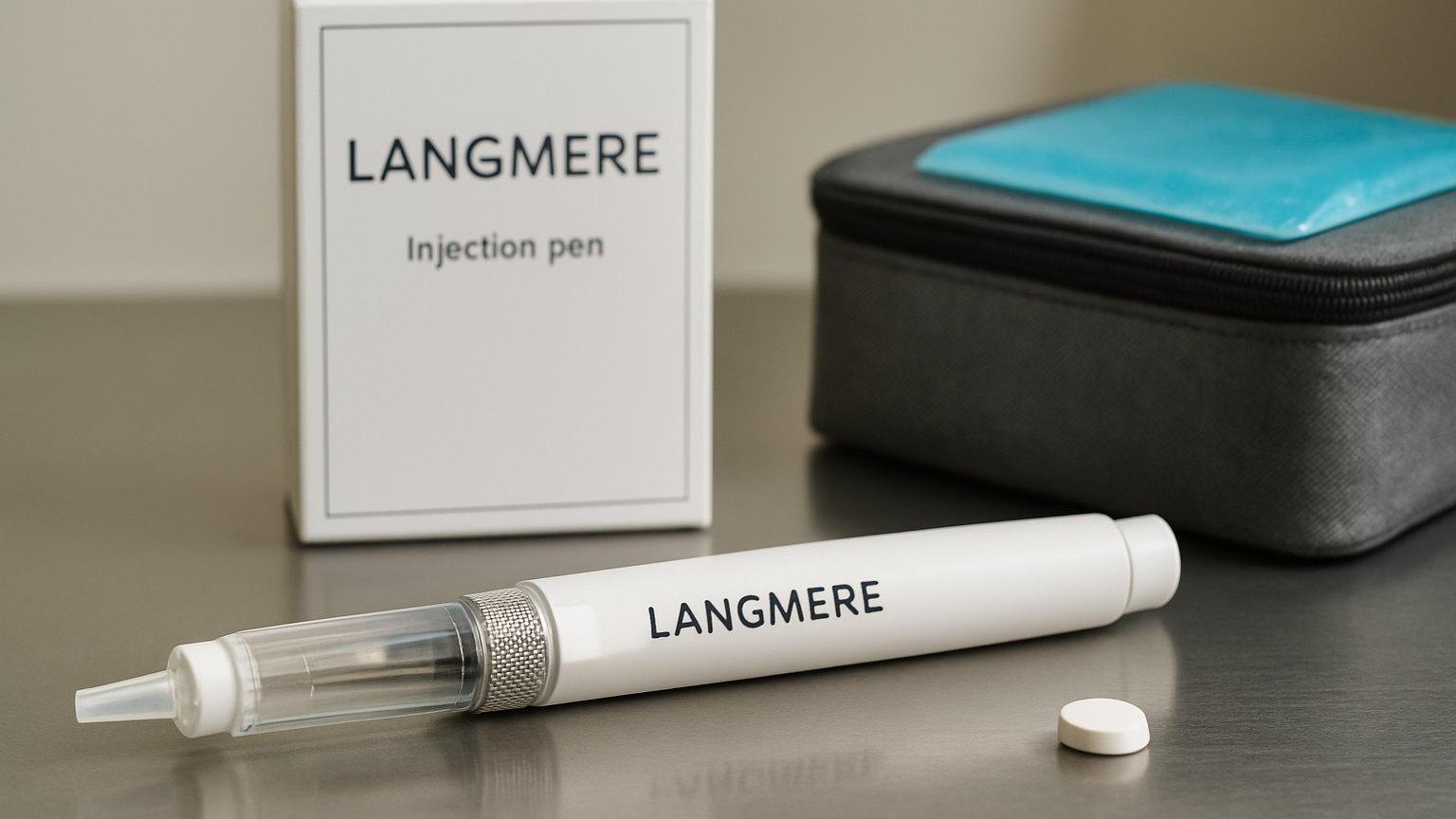
Injections go into the fat under the skin - abdomen, thigh or upper arm - and sites should be rotated. Unopened pens are usually refrigerated; in-use pens often keep at room temperature for a limited period. Check the leaflet for yours, never freeze them, and never leave them in a car.
Used needles go in a sharps bin, never household waste - see our guide to needles and sharps. If nobody has arranged a bin, ask.
Because these drugs slow stomach emptying, they can affect the absorption of medicines taken by mouth. Mention everything you take, including the contraceptive pill.
Who they are not for
They are avoided in pregnancy and while trying to conceive, and prescribers will discuss contraception. A personal or family history of medullary thyroid cancer, or the MEN2 syndrome, is a contraindication for some. A history of pancreatitis needs discussion. And they are used cautiously where there is a history of eating disorder.
If you have questions about any of these, they are exactly the right questions to ask before starting rather than after.
Only through a regulated route
Demand has produced a substantial trade in falsified pens, some found to contain insulin instead - which is dangerous precisely because someone injecting what they believe is a weight medicine has no reason to recognise a hypo. Our guide to weight loss injections bought online covers how to verify a supplier.
These are effective medicines that need a prescriber who knows what else you take. That, rather than any objection to convenience, is the argument for going through a regulated service.
Gliclazide and Other Sulfonylureas covers a related point, and the Medicines section has the rest of these guides.