
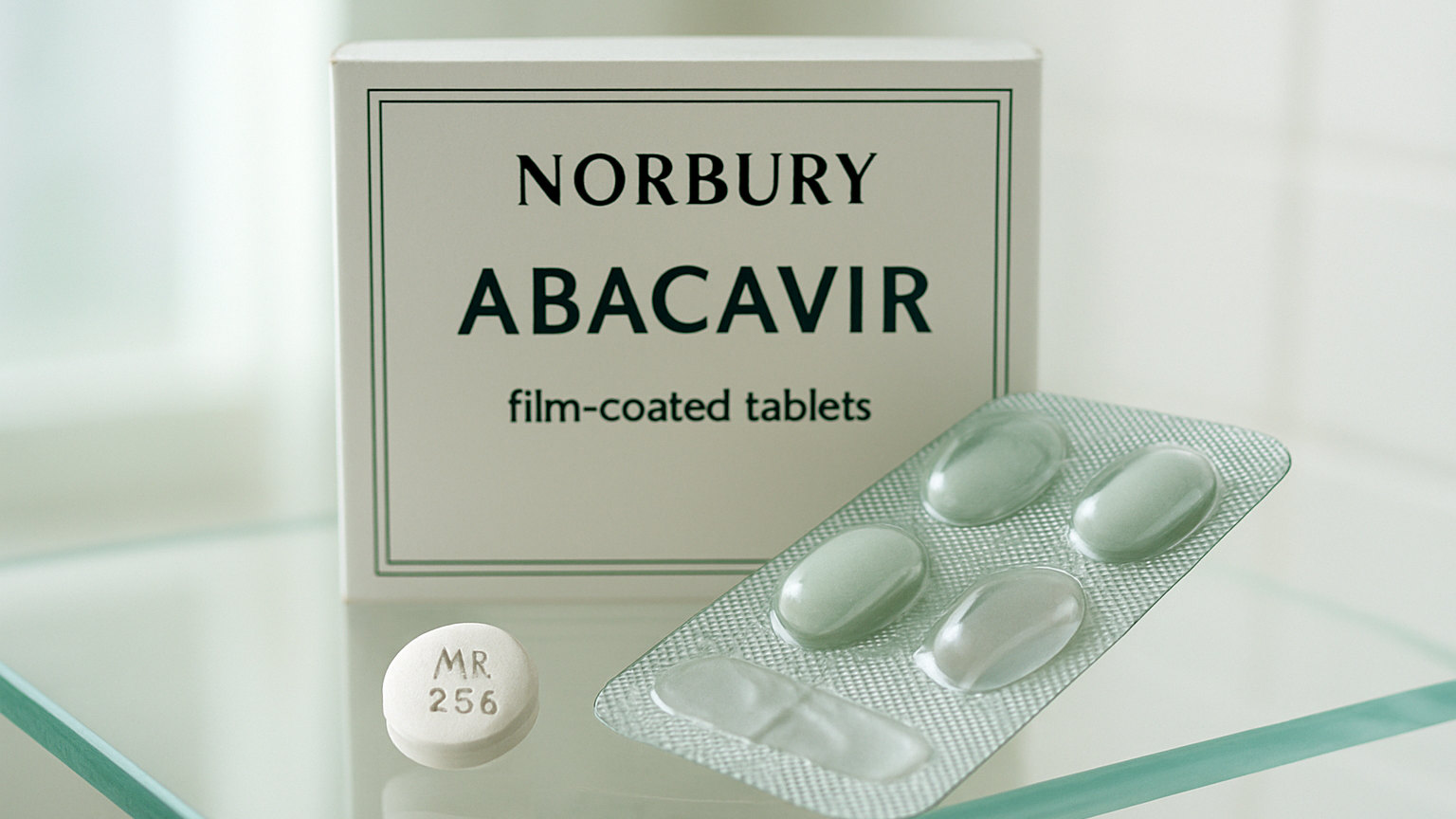
Abacavir is a nucleoside reverse transcriptase inhibitor used in HIV treatment, usually combined with lamivudine or dolutegravir in a single daily tablet. It carries a hypersensitivity reaction that can be severe and, on re-exposure, fatal. What makes abacavir worth understanding is that this danger was essentially solved: a single genetic test taken before the first dose identifies almost everyone at risk. It is one of the clearest successes of personalised prescribing in routine practice.
Follow the plan your HIV team gave you. This guide contains no doses.
The test
Hypersensitivity to abacavir is strongly associated with a genetic variant called HLA-B*5701.
Testing for it before starting, and not prescribing abacavir to anyone who carries it, reduced the incidence of hypersensitivity reactions dramatically. Screening is now standard and abacavir should not be started without it.
If you are offered abacavir and cannot recall being tested, ask. It is a one-off blood test and the result stays with you for life.
What the reaction looks like
Hypersensitivity usually develops within the first six weeks, most often in the first two.
It is a multi-system reaction, and the combination of features matters more than any single one:
- Fever
- Rash
- Nausea, vomiting, diarrhoea or abdominal pain
- Marked tiredness, aching or general malaise
- Breathlessness, cough or sore throat
The respiratory symptoms cause particular trouble because the whole picture can look like a chest infection or flu - and continuing the drug while treating the wrong thing is how people come to harm.
Contact your HIV team immediately if you develop symptoms from two or more of those groups. Do not wait to see whether it settles.
Never restart it
This is the most important sentence on the page. If abacavir has been stopped because of a suspected hypersensitivity reaction, it must never be taken again.
Re-exposure produces a much more severe reaction within hours - profound low blood pressure, respiratory failure and death have occurred.
That is why the reaction must be recorded clearly on your GP record, your pharmacy record and your HIV record, and why you should carry the alert card supplied with it. Tell anyone treating you, including in an emergency.
Our guide to allergy or side effect covers why the wording of an allergy record matters - and here it matters more than almost anywhere.
Do not stop and restart casually
Because interrupting abacavir and then resuming carries a risk of triggering the reaction even in people who tolerated it before, breaks in treatment should be avoided and discussed rather than improvised.
Running out counts as an interruption. Order repeats with a good margin - see ordering repeats.
The cardiovascular debate
Some cohort studies have reported an association between abacavir and myocardial infarction; others, including pooled trial analyses, have not found one. The question has not been fully settled.
In practice, many clinicians prefer an alternative for people at high cardiovascular risk, while continuing to use abacavir where it suits - particularly where kidney function or bone density makes tenofovir disoproxil less attractive.
Our guide to emtricitabine and tenofovir covers the main alternative backbone.
Adherence and resistance
As with all HIV treatment, consistent daily dosing is what keeps the virus suppressed and prevents resistance - which, once it develops, is permanent and narrows future options.
Sustained undetectable viral load also means HIV cannot be passed on sexually. See dolutegravir, which is frequently combined with abacavir in a single tablet.
If you are struggling to take it consistently, tell your team - long-acting injectable options exist and practical support is available.
Other side effects
Nausea, headache, tiredness and diarrhoea, usually early and usually settling.
Lactic acidosis and liver problems are rare but recognised with this class - seek advice for deep rapid breathing, severe abdominal pain, unusual tiredness, or jaundice. See medicines and your liver.
What to do if you are unsure
The difficulty with abacavir hypersensitivity is that the early picture genuinely resembles a viral illness, and stopping an HIV medicine unnecessarily has its own costs.
The rule your team will give you is to ring rather than decide. They would far rather assess you and find it is a chest infection than have you continue through a developing reaction. If you have stopped the drug because you suspected one, do not restart it even if you later conclude it was something else - only your team can make that judgement, and in practice the answer is usually no.
Tell every prescriber
Mention HIV treatment to any prescriber, dentist or pharmacist, and check anything bought over the counter. St John's wort must be avoided with HIV medication - see supplements that interfere with your medicines.
The Conditions section covers more on what medicines are prescribed for - Ciclosporin: Strong Treatment, Close Monitoring is closely related to this one.


