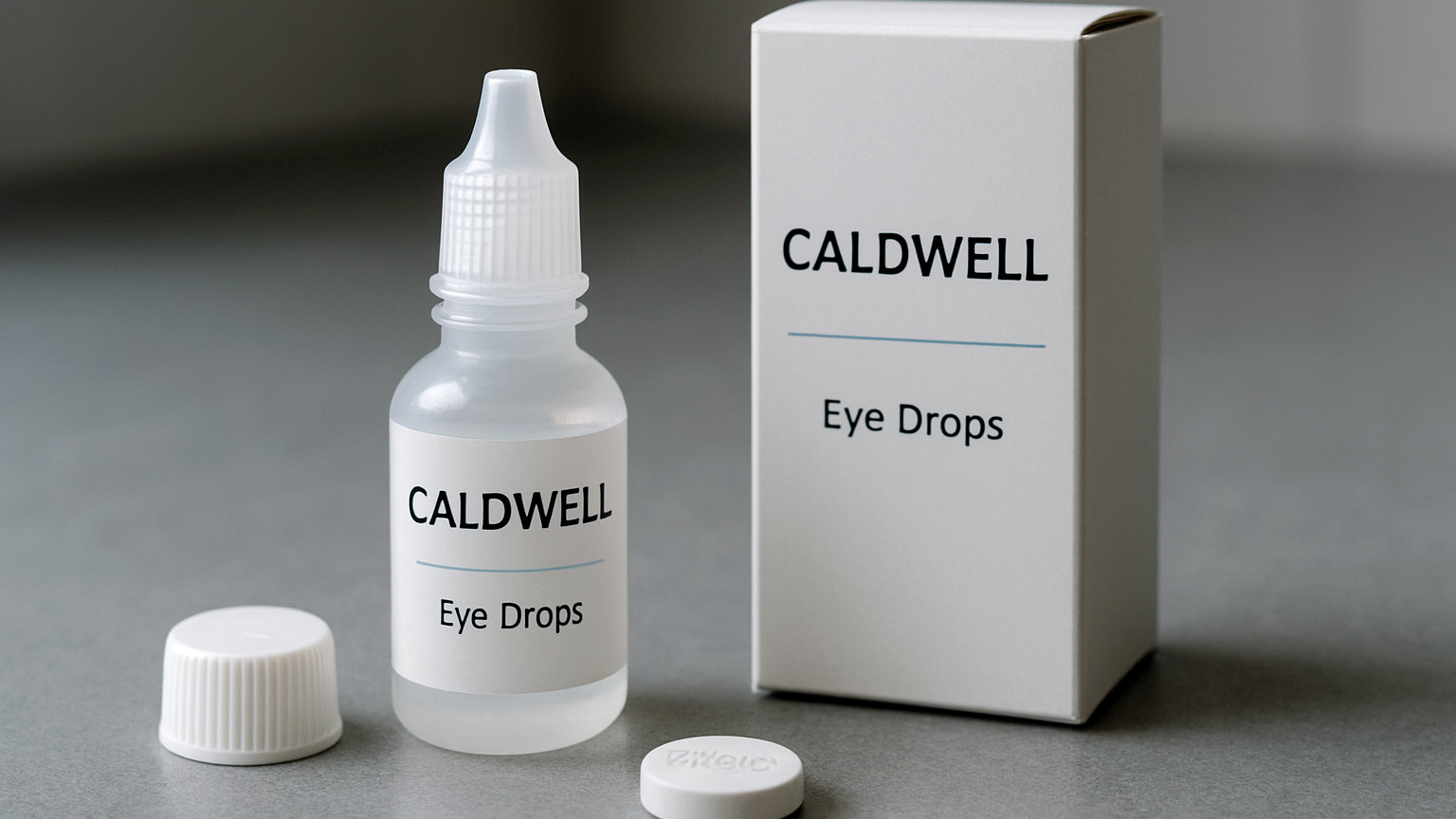
Dorzolamide is a carbonic anhydrase inhibitor given as eye drops for glaucoma and ocular hypertension. It reduces the production of aqueous humour, the fluid inside the front of the eye, and so lowers pressure. It is usually a second-line option added when a prostaglandin analogue alone is not enough. Two of its side effects are medically trivial and account for most of the people who abandon it: it stings, and it leaves a bitter taste.
Follow the instructions on your label. This guide contains no doses.
How it works
Carbonic anhydrase is an enzyme in the ciliary body of the eye that drives the secretion of aqueous humour. Blocking it reduces the rate at which fluid is made.
That is a different approach from the prostaglandin analogues, which increase drainage rather than reducing production - which is why the two combine well. See latanoprost.
It is used two or three times a day as a single agent, or twice daily in combination products.
The bitter taste
A drop that drains through the tear duct reaches the back of the throat, and dorzolamide tastes strongly bitter. Many people find this the single most objectionable thing about it.
It is not harmful, and the fix is technique. After instilling the drop, close the eye gently and press the inner corner next to the nose for about a minute. That closes the tear duct, which both reduces the taste and improves the amount staying on the eye.
Our guide to eye drops and ear drops covers the full technique, including leaving at least five minutes between different drops.
The stinging
Dorzolamide solution is acidic, and burning or stinging on instillation is common. It usually eases with continued use.
Preservative-free single-use units help people who react to the preservative, and are worth asking about if the discomfort is the barrier.
Blurred vision immediately afterwards is normal and brief.
The sulfonamide question
Dorzolamide is a sulfonamide derivative, and the same types of reaction reported with sulfonamide antibiotics have been reported with it - including, rarely, serious skin reactions such as Stevens-Johnson syndrome.
In practice cross-reactivity between sulfonamide antibiotics and non-antibiotic sulfonamides is much less clear-cut than was once assumed, and many people with a recorded "sulfa allergy" tolerate dorzolamide.
Nonetheless, tell your eye clinic about any sulfonamide allergy, and be clear about what actually happened - a rash as a child is a different thing from anaphylaxis. Our guide to allergy or side effect covers why the wording on your record matters.
Stop and seek urgent help for a widespread rash, particularly with fever or blistering - see rashes from medicines.
Other effects
Local: dryness, redness, itching, a gritty feeling, and inflammation of the eyelid.
Systemic effects are uncommon because absorption is limited, but headache, nausea and fatigue occur.
It is used with caution in significant kidney impairment, and it is generally avoided in severe renal failure, since carbonic anhydrase inhibition can cause acid-base disturbance.
Report persistent eye pain, marked redness or any change in vision.
Combination drops
Dorzolamide is frequently combined with timolol in a single bottle, which halves the number of drops and improves adherence.
That convenience has a consequence: the combination contains a beta blocker, which is absorbed systemically and is contraindicated in asthma. Someone who knows only that they use "the combination drop" may not realise.
Check what is in your bottle, particularly if you have asthma, COPD or a heart condition. Our guide to timolol eye drops covers why this matters more than people expect.
Glaucoma is silent
The damage is gradual, painless and irreversible, beginning with peripheral vision the brain fills in. There is nothing to feel whether you use the drops or not, which is why adherence in glaucoma is among the worst in medicine.
If you have stopped, or use them irregularly, say so at your appointment. Pressure readings that reflect a drug you have not been using lead to the wrong decisions.
How to tell whether it is working
You cannot. Dorzolamide produces no sensation beyond the sting, and eye pressure is not something you can feel - which is true of every glaucoma drop.
The only feedback is the pressure measured at your appointments, and its value depends entirely on whether you have been using the drops as prescribed in the weeks beforehand. A good reading achieved by remembering the drops only in the fortnight before clinic tells nobody anything useful.
Acetazolamide
The same enzyme can be blocked systemically with acetazolamide tablets, which lower eye pressure more powerfully but cause tingling, fatigue, kidney stones and metabolic disturbance.
Tablets are generally reserved for short-term use or acute pressure rises. Drops exist precisely to deliver the effect locally without those consequences.
If this was useful, Clomifene: Ovulation Induction Explained is worth reading next, and Conditions collects the rest.