
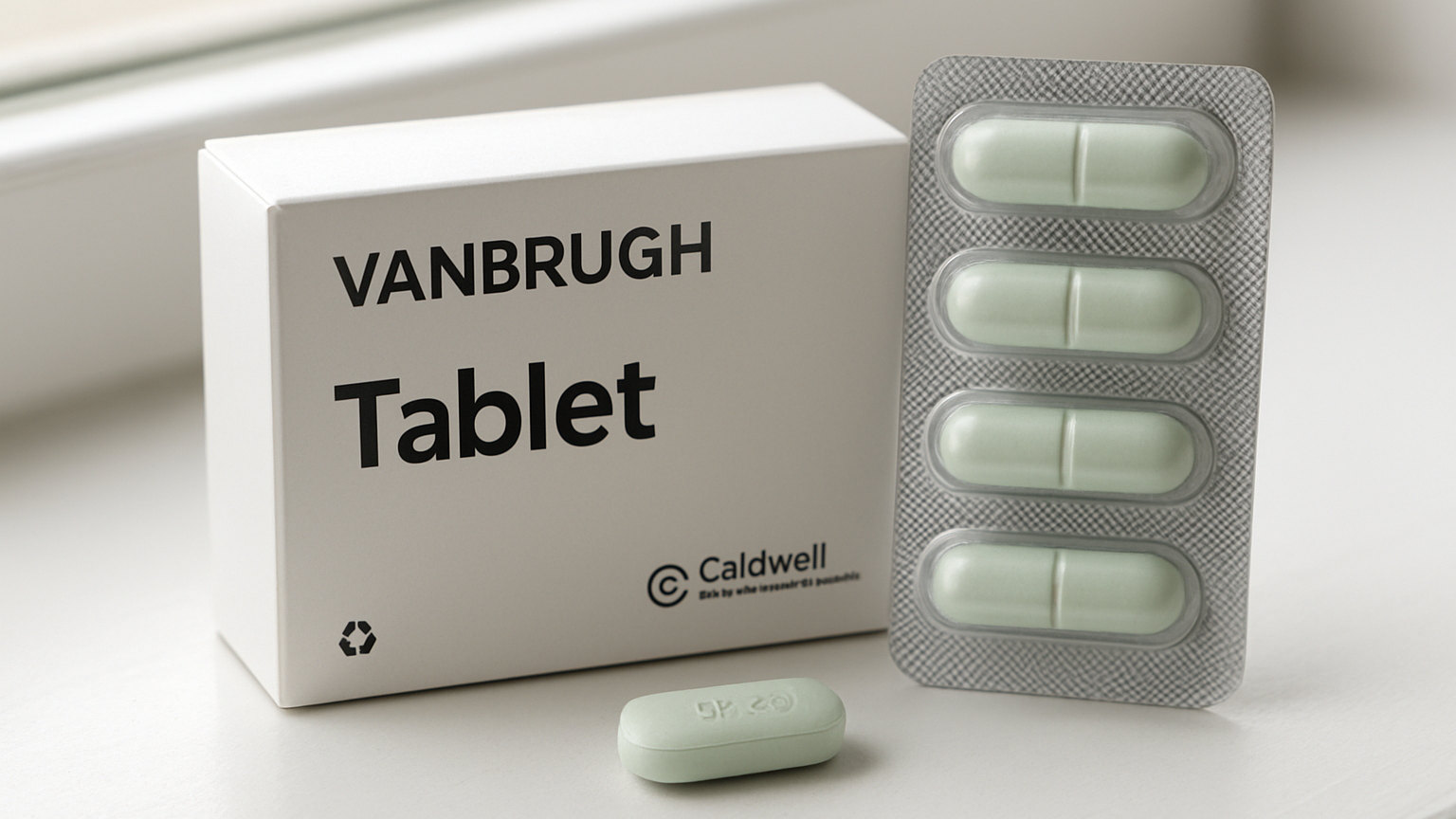
Mirabegron relaxes the bladder muscle by stimulating beta-3 receptors, allowing the bladder to fill more before signalling urgency. That mechanism matters because it avoids the one that causes most of the trouble with older bladder medicines. Antimuscarinics such as oxybutynin block acetylcholine throughout the body, causing dry mouth, constipation and confusion - problems concentrated in exactly the older population that most often needs bladder treatment. Mirabegron does none of that.
Follow the instructions on your label. This guide contains no doses.
What it is used for
Overactive bladder - urgency, frequency, getting up at night, and urge incontinence.
It is typically used when an antimuscarinic has not worked or has not been tolerated, and increasingly as a first choice in older people or anyone with cognitive impairment, where the anticholinergic burden of the alternatives is the deciding factor.
Our guide to oxybutynin covers the class it replaces and why it fell out of favour.
The trade-off: blood pressure
Mirabegron's own drawback is that it raises blood pressure, usually modestly but sometimes significantly.
Blood pressure should be checked before starting and monitored during treatment, particularly in the first months. It is contraindicated in severe uncontrolled hypertension.
If you already take blood pressure medicines, that does not rule it out - it means the monitoring matters. Our guide to monitoring long-term medicines covers what should be happening.
A pharmacy blood pressure check is an easy way to keep an eye on it between appointments - see pharmacy health checks.
Other side effects
Urinary tract infection, fast heart rate, headache, dizziness, nausea and constipation - though constipation considerably less than with antimuscarinics.
Seek urgent help for swelling of the face, lips or tongue, which has been reported rarely - see anaphylaxis.
Seek urgent help if you cannot pass urine at all and your bladder feels full and painful. Urinary retention is more likely in men with an enlarged prostate, and in anyone also taking an antimuscarinic - see tamsulosin.
Interactions worth knowing
Mirabegron inhibits the CYP2D6 enzyme, so it raises levels of medicines cleared by it. The ones that matter most in practice are metoprolol, some antidepressants, some antipsychotics, and flecainide and propafenone, where a rise in level is more consequential.
It also raises digoxin levels.
Tell your prescriber your full list. Our guides to medicines and your liver and how medicines get their names cover how to spot the families involved - the "-olol" ending flags a beta blocker.
Doses are reduced in significant kidney or liver impairment.
Modified-release tablets
Mirabegron comes as a modified-release tablet and must be swallowed whole with water - never crushed, chewed or broken, since that releases the whole amount at once.
See cutting and crushing tablets. If swallowing is difficult, say so rather than breaking it - there may be an alternative.
Combining with an antimuscarinic
The two classes can be used together where either alone is insufficient, and combination has better evidence than doubling one of them.
It does mean accepting some anticholinergic burden, so it is a decision that depends on who you are - reasonable in a younger person, more carefully weighed in someone older.
What should come first
Medicines are not first-line for overactive bladder, and the non-drug measures work better than most people expect:
- Bladder training - gradually extending the interval between visits, with good evidence behind it
- Pelvic floor exercises, taught properly rather than guessed at
- Reducing caffeine and alcohol - see caffeine and your medicines
- Adjusting fluid timing rather than restricting overall
- Treating constipation - see macrogol
Why it is not used first everywhere
Cost is the honest answer. Mirabegron has generally been more expensive than the older antimuscarinics, so local formularies have often positioned it as second-line.
That calculation changes with age. In an older person the cost of an antimuscarinic includes falls, confusion and the cumulative burden discussed above, and guidance increasingly reflects that. If you are older and have been started on oxybutynin without discussion, asking about mirabegron is entirely reasonable.
If it is not working
Give it a fair trial - improvement builds over several weeks rather than days, and a review at around four to eight weeks is usual.
Beyond tablets there is botulinum toxin injected into the bladder, nerve stimulation, and specialist urology input. Persistent symptoms are worth escalating rather than accepting.
And check what else you take - diuretics obviously increase frequency, and the timing of the dose is often adjustable. See diuretics.
If this was useful, Tamoxifen: What to Expect Over Five Years is worth reading next, and Conditions collects the rest.


