
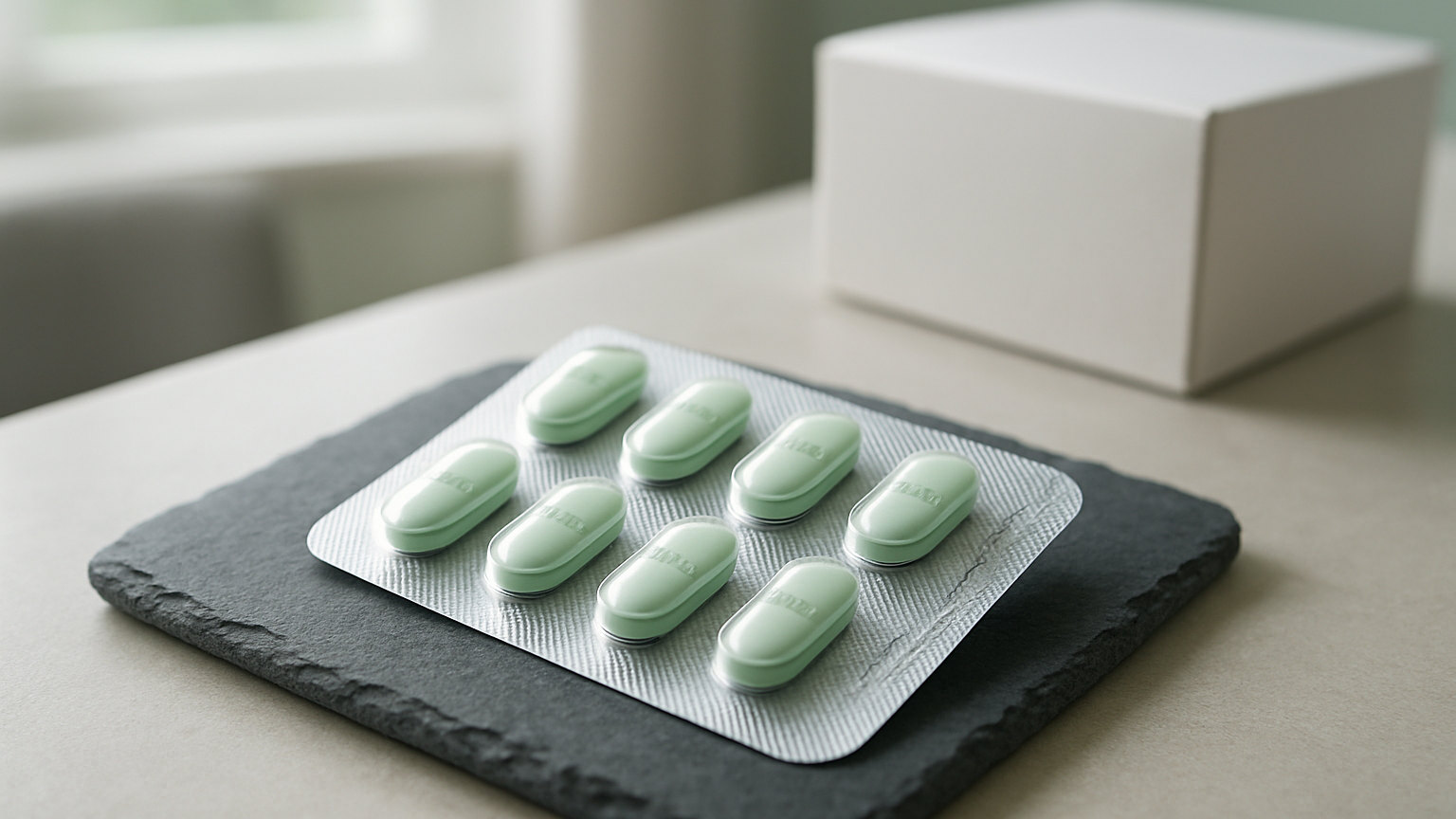
Duloxetine is a serotonin and noradrenaline reuptake inhibitor. Both neurotransmitters are central to the descending pathways that dampen pain signals travelling up the spinal cord, which is why duloxetine is licensed for pain as well as for mood - and why a good many people take it without being depressed. It is used for depression, generalised anxiety disorder, diabetic peripheral neuropathic pain and moderate to severe stress urinary incontinence.
Follow the instructions on your label. This guide contains no doses. Do not stop it abruptly.
For nerve pain
Duloxetine is one of the first-line options for neuropathic pain in UK guidance, alongside amitriptyline, gabapentin and pregabalin.
Compared with amitriptyline it has no anticholinergic burden - no dry mouth, constipation or confusion - and it is far safer in overdose, which matters. Compared with pregabalin it is not a controlled drug and carries no misuse potential.
Expect several weeks before judging it, and treat it as a trial with a defined endpoint: a meaningful reduction in pain, or better sleep and function, counts as success; no change after an adequate trial does not.
See nerve pain medicines, amitriptyline and pregabalin.
For stress incontinence
This is the use fewest people know about. Duloxetine increases the tone of the urethral sphincter, reducing leakage on coughing, laughing or exertion.
It is second-line: supervised pelvic floor muscle training for at least three months comes first, and it works better than anything in a bottle. Duloxetine is for women who decline surgery or for whom it is unsuitable.
Nausea is the commonest reason it is stopped in this group, and starting at a low dose helps.
Note that this is a different problem from overactive bladder, which needs different treatment - see mirabegron.
Alcohol and the liver
Duloxetine can cause liver injury, and the risk is higher with substantial alcohol intake.
It is not recommended for anyone with liver disease, or who drinks heavily. That is a firmer caution than applies to most antidepressants.
Report jaundice, dark urine, persistent nausea, loss of appetite or right-sided abdominal pain. See medicines and your liver and medicines and alcohol.
Blood pressure
The noradrenaline effect raises blood pressure and heart rate modestly, as it does with venlafaxine.
Blood pressure should be checked before starting and monitored during treatment. Uncontrolled hypertension is a reason to use something else.
See venlafaxine.
Stopping it
Duloxetine has a short half-life, so discontinuation symptoms are common - dizziness, electric-shock sensations, nausea, irritability, anxiety and disturbed sleep.
They are less severe than with venlafaxine or paroxetine but more troublesome than with fluoxetine.
Reduction should be gradual. The practical obstacle is that the capsules must be swallowed whole - they contain enteric-coated granules, and opening them alters absorption - so small steps require alternative strengths rather than splitting.
See coming off antidepressants safely and cutting and crushing tablets.
Side effects
Nausea is very common at the start and usually settles within a week or two - taking it with food helps.
Dry mouth, constipation, headache, drowsiness or insomnia, sweating and reduced appetite.
Sexual side effects are common and often persist - see antidepressants and sexual side effects.
Low sodium is a recognised effect, more likely in older people and those on diuretics, causing confusion and falls.
It is broadly weight-neutral, which distinguishes it from mirtazapine and paroxetine - see mirtazapine.
Interactions
Combining with other serotonergic medicines - tramadol, triptans, St John's wort, other antidepressants - raises the risk of serotonin syndrome. See serotonin syndrome and tramadol.
Bleeding risk rises alongside anti-inflammatories, aspirin and anticoagulants. Paracetamol is the safer painkiller - see naproxen.
Duloxetine is cleared partly by CYP1A2, so ciprofloxacin and fluvoxamine raise its levels considerably - see ciprofloxacin. Smoking reduces them, so stopping smoking can raise duloxetine levels.
Monoamine oxidase inhibitors are contraindicated.
Fibromyalgia and chronic pain
Duloxetine is used for fibromyalgia, where it has some of the better evidence among drug treatments, and for chronic musculoskeletal pain including osteoarthritis.
The effect sizes are modest, and UK guidance on chronic primary pain is notably cautious about drug treatment generally - exercise, psychological therapy and acupuncture have more support. Duloxetine is one of the few medicines that guidance does not advise against, which is a low bar but a real distinction.
The first two weeks
Anxiety, restlessness, nausea and disturbed sleep are common early and usually settle. Benefit for mood builds over four to six weeks.
Contact your prescriber urgently if you feel worse, more agitated, or have thoughts of harming yourself - most relevant in the first weeks and after a dose change, particularly under 25.
Samaritans are free on 116 123 at any hour, or you can text SHOUT to 85258.
More on how the main families of medicine work in the Medicines section, including Trazodone: Sleep, Mood and a Rare Emergency.


