
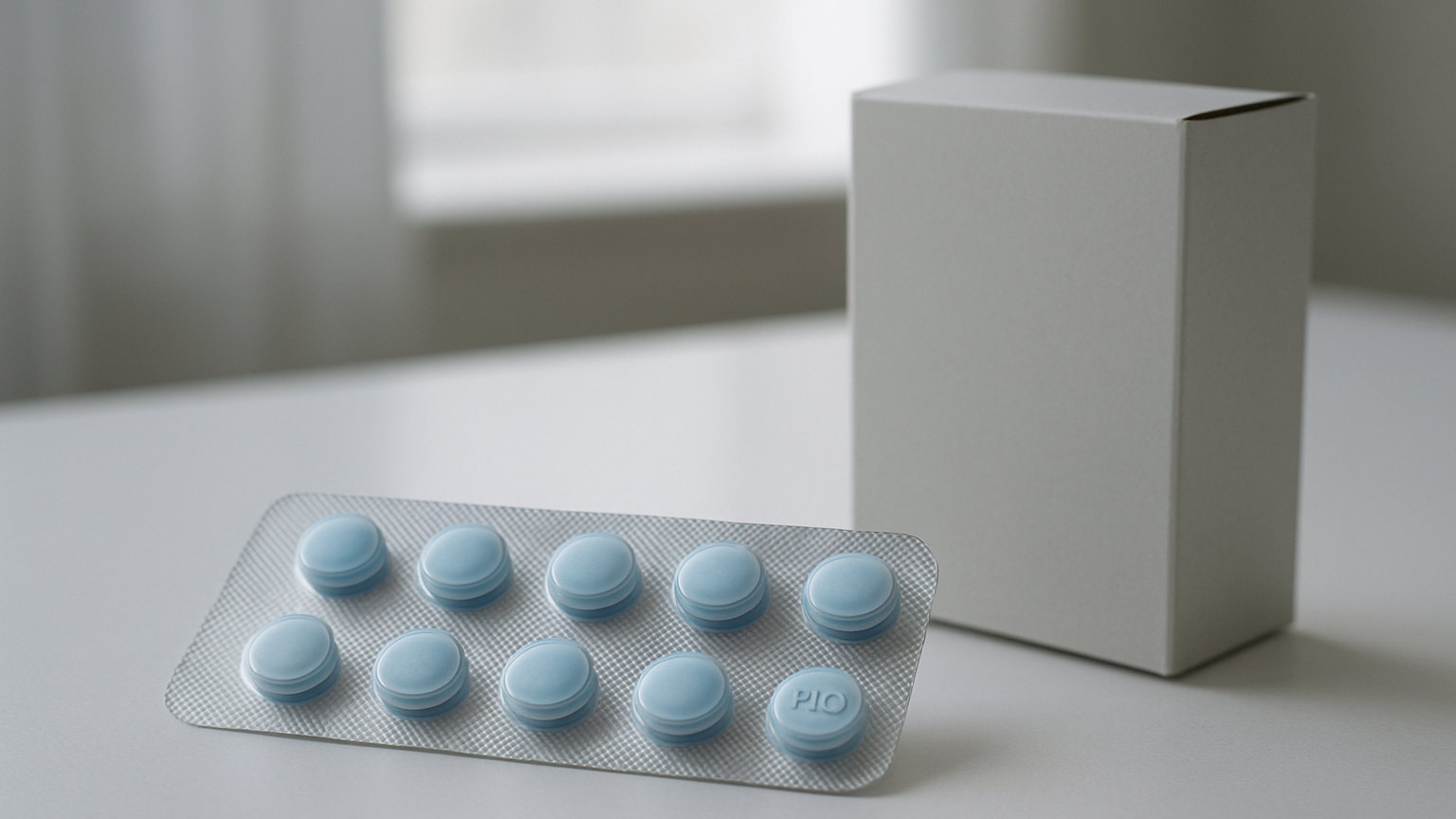
Paroxetine is a selective serotonin reuptake inhibitor, used for depression, anxiety disorders, obsessive compulsive disorder and PTSD. It is as effective as other SSRIs. Two pharmacological properties explain almost everything that makes it different: it has the shortest half-life of the group, and it is the most potent inhibitor of CYP2D6. The first makes it hard to stop; the second makes it interact with more than the others.
Follow the instructions on your label. This guide contains no doses. Do not stop it abruptly.
Why stopping is difficult
Paroxetine clears quickly, so levels fall fast between doses and very fast when it is stopped. It also has no active metabolite to cushion the fall.
Discontinuation symptoms are consequently the most common and severe of the SSRIs: dizziness, electric-shock sensations often described as brain zaps, nausea, sweating, irritability, anxiety, vivid dreams and flu-like aching.
They can begin within a day of a missed dose - which means some people experience them mid-treatment simply from taking it late.
These are not addiction, and they are not proof the medicine was doing nothing. They are a physiological adaptation reversing.
Coming off it
Reduction needs to be slower than people expect - months rather than weeks, with progressively smaller steps as the dose falls, since each reduction is a larger proportional change at the bottom.
If a step is difficult, holding at that level for longer is the standard answer rather than pushing through.
Practical difficulty comes from tablet strengths not going low enough. A liquid preparation allows finer steps, and switching to fluoxetine - which tapers itself because of its long half-life - is sometimes used as a bridge.
See fluoxetine, venlafaxine and coming off antidepressants safely.
The enzyme inhibition
Paroxetine strongly inhibits CYP2D6, which clears a long list of other medicines.
Tamoxifen is the most consequential. It must be converted by CYP2D6 into its active form, and paroxetine reduces that conversion substantially - undermining treatment being taken to prevent breast cancer recurrence.
Paroxetine is also sometimes prescribed for the hot flushes tamoxifen causes, which makes that combination particularly unfortunate. Venlafaxine or citalopram are preferred.
See tamoxifen.
It also raises levels of atomoxetine, some beta blockers, some antipsychotics and tricyclic antidepressants - see atomoxetine.
Pregnancy
Some studies have associated first-trimester paroxetine exposure with a small increase in congenital heart defects, though the evidence is not consistent and the absolute risk is small.
Other SSRIs, particularly sertraline, are generally preferred in pregnancy for that reason.
Do not stop it because you are pregnant - untreated depression in pregnancy carries real risks of its own, and abrupt discontinuation of paroxetine specifically is difficult. Discuss it. See antidepressants in pregnancy and breastfeeding.
Other side effects
Paroxetine has more anticholinergic activity than other SSRIs, causing dry mouth, constipation and blurred vision.
It is associated with more weight gain than the rest of the class - see medicines and your weight.
Sexual side effects are common and often persist. Paroxetine is among the SSRIs most associated with them - and it is licensed for premature ejaculation for the same reason. See antidepressants and sexual side effects.
It tends to be sedating rather than activating, so it is often taken in the evening.
Low sodium is a recognised SSRI effect, more likely in older people and those on diuretics, causing confusion and falls.
Bleeding
SSRIs raise bleeding risk, and the effect adds to anti-inflammatories, aspirin and anticoagulants. Paracetamol is usually the safer painkiller.
See diclofenac and warfarin.
Serotonin syndrome
Combining with other serotonergic medicines - tramadol, triptans, St John's wort, other antidepressants - raises the risk.
Know the warning signs: agitation, confusion, sweating, shivering, muscle twitching, a racing heart and high temperature. See serotonin syndrome.
The first two weeks
Anxiety, restlessness, nausea and disturbed sleep are common early and usually settle. Benefit builds over four to six weeks.
Contact your prescriber urgently if you feel worse, more agitated, or have thoughts of harming yourself - most relevant in the first weeks and after any dose change, particularly under 25.
Samaritans are free on 116 123 at any hour, or you can text SHOUT to 85258.
Where it sits now
Paroxetine is rarely a first choice today, largely because sertraline and others are as effective with fewer of these complications.
That is not a reason to switch if it is working for you - switching carries its own risks, including the difficult taper. It is a reason not to start it lightly.
Related reading: Duloxetine: Depression, Nerve Pain and Bladder, with more on how the main families of medicine work in Medicines.


