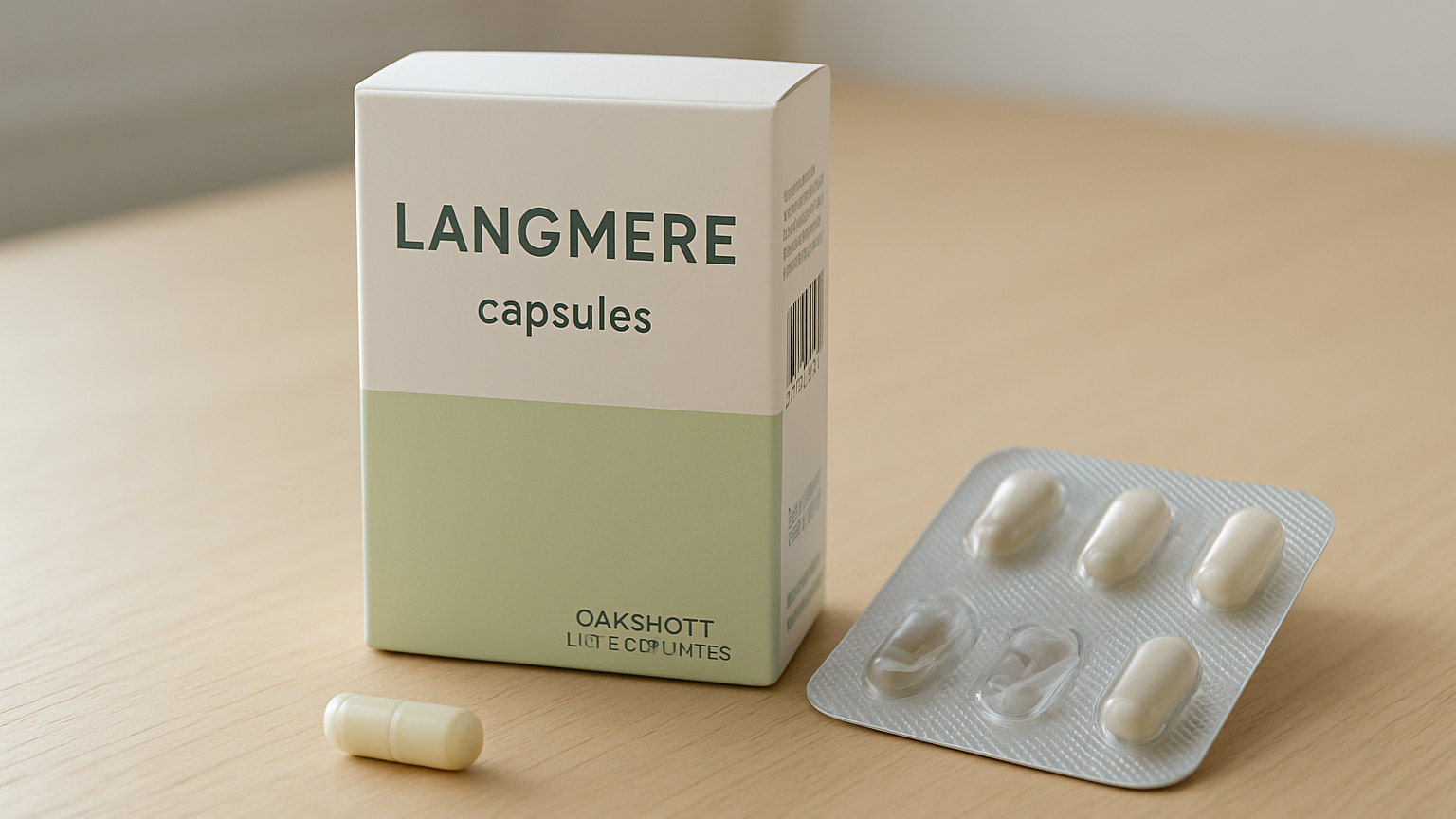
Atomoxetine is a non-stimulant treatment for ADHD. It selectively blocks the reuptake of noradrenaline, increasing its availability in parts of the brain involved in attention and impulse control. On average it is less effective than stimulants and it works far more slowly - weeks rather than days. But it is not a controlled drug, it lasts all day, and there are several situations where it is clearly the better choice.
Follow the plan your specialist gave you. This guide contains no doses.
Where it suits better than a stimulant
- Where stimulants have not worked or were not tolerated - poor appetite, insomnia, or a rebound crash.
- Where tics are a problem, since stimulants can worsen them and atomoxetine generally does not.
- Where there is significant anxiety, which stimulants sometimes aggravate.
- Where there is a risk of misuse or diversion - in the household or the person themselves. Atomoxetine has no abuse potential and is not a controlled drug.
- Where twenty-four hour cover is wanted, including evenings and early mornings, rather than a school-day effect.
Our guides to methylphenidate and lisdexamfetamine cover the stimulant options.
It takes weeks
This is the biggest practical difference and the commonest reason people abandon it. Some effect may appear within two to four weeks, but the full benefit often takes six to twelve weeks.
A stimulant tells you within days whether it helps. Atomoxetine requires persistence through a period where side effects are present and benefit is not, which is a genuinely difficult ask - particularly for someone whose difficulty is with persistence.
Knowing the timeline in advance is what gets people through it. Judging it at three weeks is judging it too early.
The liver warning
Atomoxetine has been associated with rare but serious liver injury, which can occur after weeks or months of treatment.
Stop the medicine and seek medical advice for yellowing of the skin or eyes, dark urine, persistent nausea, unexplained abdominal pain or unusual tiredness. Our guide to medicines and your liver covers the warning signs.
It is rare, and knowing what to look for is the protection - routine blood monitoring is not generally required.
Mood and suicidal thoughts
Atomoxetine carries a warning about suicidal thoughts, particularly in children and adolescents and particularly early in treatment or after a dose change.
Report any new or worsening low mood, agitation, hostility or thoughts of self-harm to your team promptly. Families should be told what to watch for at the outset rather than left to notice.
Samaritans are free on 116 123 at any hour, and you can text SHOUT to 85258.
Other side effects
Reduced appetite and weight loss, nausea and stomach upset - taking it with food helps considerably. Drowsiness or, less often, insomnia. Dry mouth, dizziness and headache.
In adults, sexual difficulties and urinary hesitancy occur.
Blood pressure and pulse rise modestly and are monitored, as is height and weight in children - the same monitoring as for stimulants. See monitoring long-term medicines.
Seek urgent help for a prolonged painful erection, which is rare but needs immediate attention.
Interactions
Atomoxetine is cleared by the CYP2D6 enzyme. People who are genetically poor metabolisers, and people taking strong inhibitors of that enzyme - paroxetine, fluoxetine and some others - have much higher levels and more side effects, so doses are adjusted.
Monoamine oxidase inhibitors are contraindicated, with a gap required between them.
Salbutamol and other beta agonists can add to effects on heart rate and blood pressure - see salbutamol.
Tell your prescriber about heart conditions, high blood pressure, glaucoma, seizures, and any history of bipolar disorder.
Taking it
Once or twice daily. Taking it with food reduces nausea and is generally advised. Capsules should be swallowed whole - the contents are irritant to the eyes if opened.
Because it is not a controlled drug, prescriptions and travel are considerably simpler than with stimulants - no Home Office licence, no restricted validity period. That is a real practical advantage, particularly for anyone who travels.
Stopping
It does not require a taper in the way an antidepressant does, and it can generally be stopped without withdrawal effects.
Discuss it with your team rather than simply stopping, particularly if the plan is to switch to something else - and remember that the benefit takes weeks to build and will take a similar period to fade.
Guanfacine
Guanfacine is the other non-stimulant option in the UK, working differently again on alpha-2 receptors. It causes sedation and lowers blood pressure, and it is sometimes preferred where tics or sleep problems are prominent.
The Conditions section covers more on what medicines are prescribed for - Latanoprost: Eye Drops for Glaucoma is closely related to this one.