
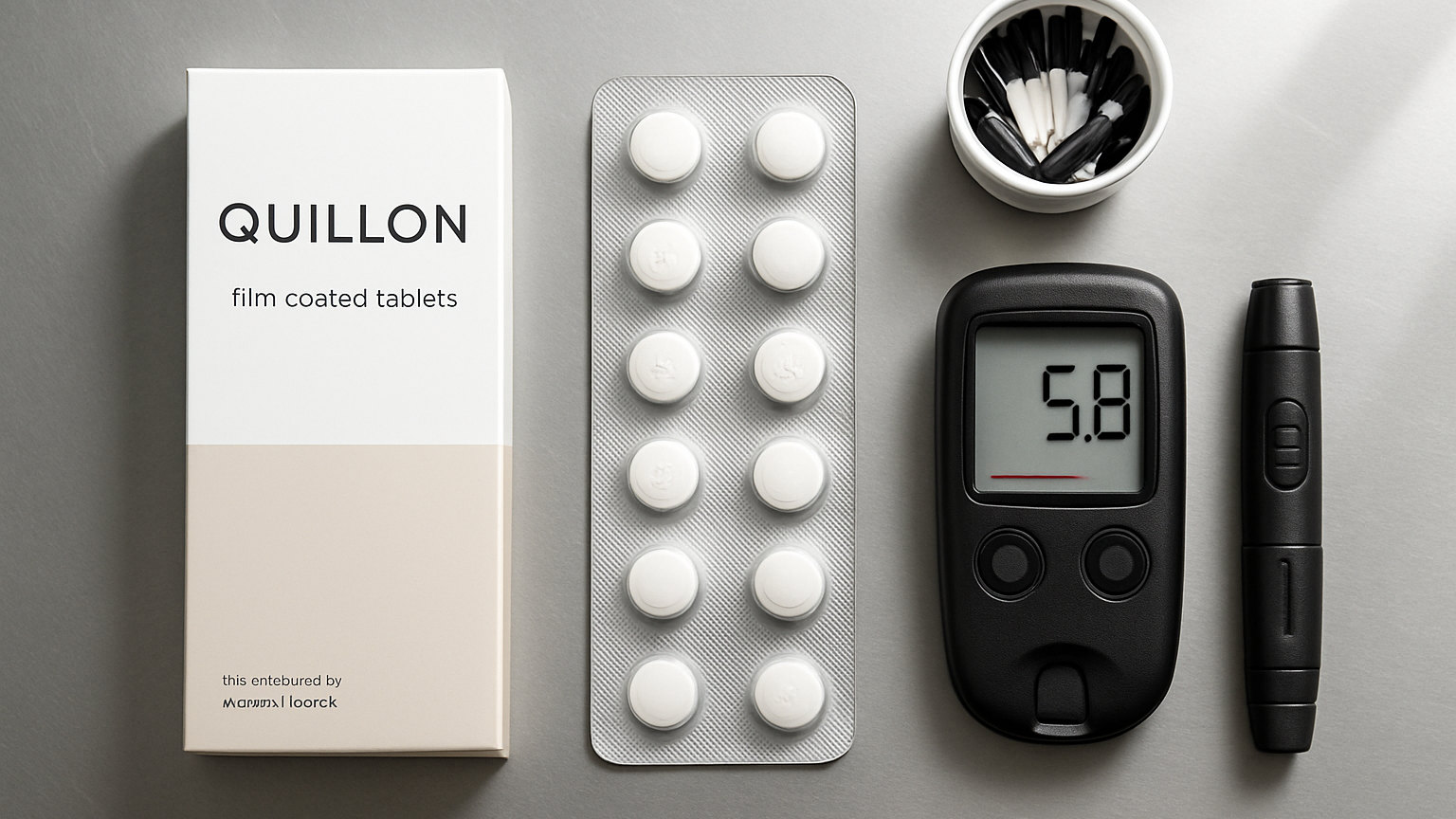
Sulfonylureas - gliclazide, glimepiride, glipizide - stimulate the pancreas to release more insulin. They work quickly, they are inexpensive, and they have been used for decades. The feature that shapes everything about taking them is that they can cause hypoglycaemia, because they increase insulin release regardless of what your blood sugar is actually doing. That makes them the one common tablet for type 2 diabetes where low blood sugar is a genuine risk rather than a theoretical one.
Follow the regimen your diabetes team gave you. This guide contains no doses.
How they differ from metformin
Metformin reduces the glucose the liver releases and improves how the body responds to insulin. It does not force insulin release, so on its own it does not cause hypos.
Sulfonylureas act directly on the pancreas, which is why they lower blood sugar faster and more reliably in the short term - and why the risk profile differs. They also tend to cause modest weight gain, where metformin is broadly weight-neutral.
Our guide to diabetes tablets beyond metformin covers how the classes compare, and metformin side effects covers the usual first choice.
Hypoglycaemia: what it means in practice
Know the symptoms - shaking, sweating, hunger, palpitations, irritability, confusion - and carry something fast-acting to treat one at all times. Our guide to spotting and treating hypos covers recognition and treatment properly, and is worth reading before you need it.
Situations that raise the risk: a missed or delayed meal, more activity than usual, alcohol, weight loss, reduced kidney function, and illness. Alcohol matters particularly because it can cause a delayed hypo many hours later, often overnight - see medicines and alcohol.
Older people and people with reduced kidney function are more vulnerable, and hypos in that group are more likely to cause falls and confusion.
Driving
DVLA rules apply to people taking medicines that can cause hypoglycaemia, and sulfonylureas are in that category. In broad terms: check your glucose before driving where advised, carry fast-acting carbohydrate, and do not drive if you are low.
If you have a hypo while driving, stop somewhere safe, remove the keys, treat it, and wait before continuing. You must notify the DVLA if you develop hypo unawareness or have severe hypos needing help from another person. Our guide to medicines and driving covers notification more generally.
Timing and food
Sulfonylureas are usually taken shortly before or with a meal, because they drive insulin release and you need the food to match it. Taking one and then skipping the meal is the classic route to a hypo.
If your eating pattern is irregular - shift work, fasting, or simply not being a breakfast person - say so, because that changes what suits you. Our guide to taking medicines when you are fasting covers Ramadan and pre-operative fasting specifically, both of which need planning with these drugs.
Sick days
Illness affects blood sugar in both directions and changes what you need. Monitor more often, keep taking your diabetes medicines unless told otherwise, and know when to seek help.
Ask your team for sick day rules covering your specific combination. Our guide to sick day rules covers the principle, but diabetes rules are individual and should come from your team rather than a general article.
Interactions worth knowing
Several medicines increase the hypo risk with sulfonylureas, including some antibiotics and antifungals, and beta blockers can mask the early warning symptoms - our guide to beta blockers covers that specifically.
Steroids raise blood sugar and may need your diabetes treatment adjusted temporarily - relevant if you are given a course for asthma, or a joint injection, as our guide to steroid injections notes.
Mention everything you take, including things bought over the counter, whenever anything changes.
Losing effectiveness over time
Sulfonylureas frequently work well for a period and then less so, because they depend on the pancreas still being able to produce insulin - and in type 2 diabetes that capacity declines over years.
That is the condition progressing rather than the drug failing or you doing anything wrong, and it is the usual point at which another class is added or insulin considered. Our guide to why type 1 and type 2 are treated differently covers why escalation is expected.
Where they still fit
Newer classes have advantages - the SGLT2 inhibitors and GLP-1 agonists have demonstrated benefits for the heart and kidneys that sulfonylureas do not, and they do not cause hypos on their own.
Sulfonylureas remain useful where blood sugar needs bringing down quickly, where cost is a factor, or where the alternatives are unsuitable. If you have been on one for years without review, it is reasonable to ask whether it is still the best fit for you - our guide to monitoring long-term medicines covers what an annual review should cover.
GLP-1 Injections: What to Expect covers a related point, and the Medicines section has the rest of these guides.


