
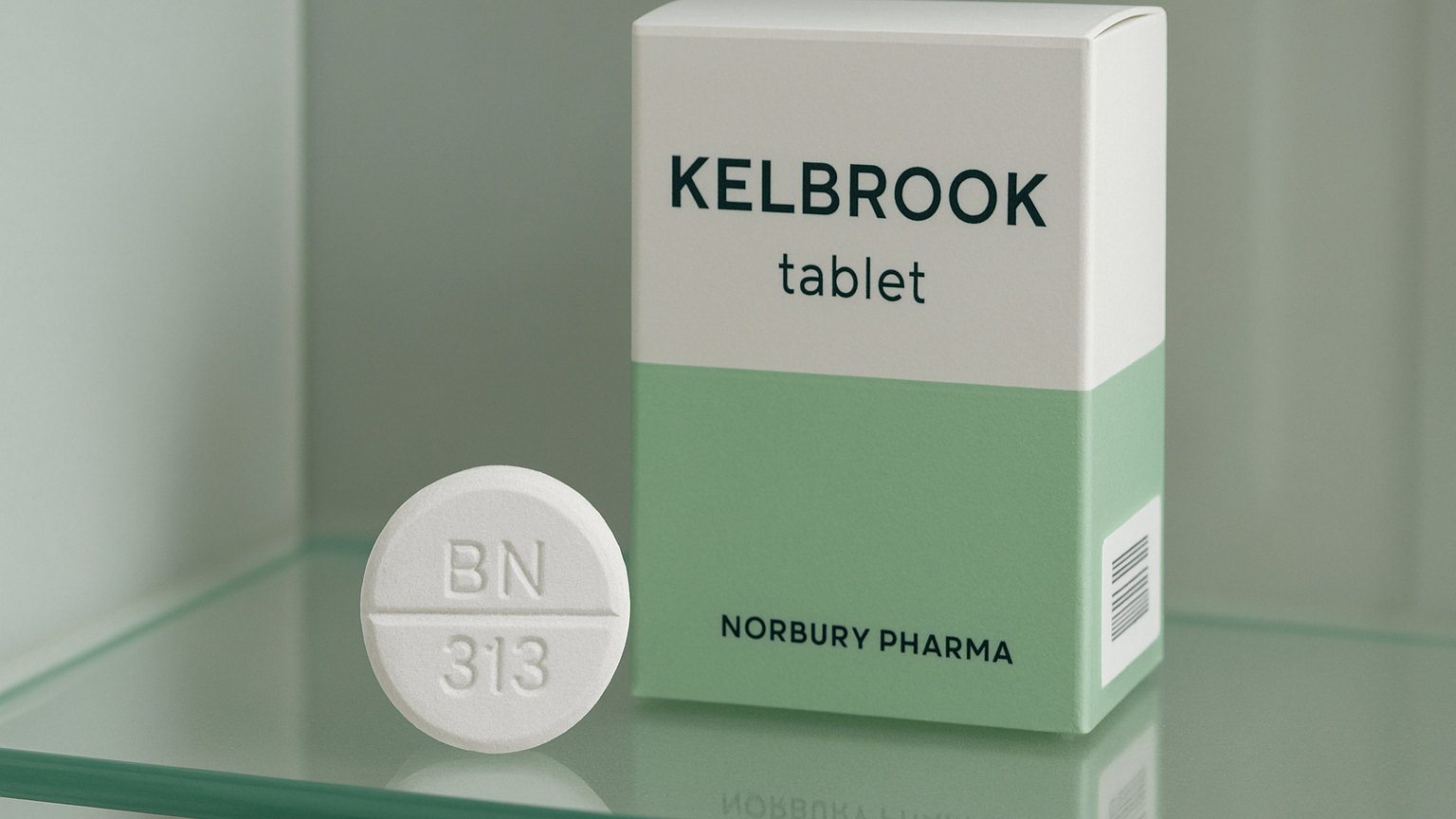
Potassium chloride corrects low blood potassium, which most often results from diuretics, prolonged vomiting or diarrhoea, or some kidney conditions. Potassium is central to how nerves and muscle - including heart muscle - generate electrical signals, and both too little and too much cause dangerous heart rhythm disturbances. That narrow margin between deficiency and excess explains every instruction attached to this medicine.
Follow the instructions on your label. This guide contains no doses.
Why it is monitored
Blood potassium is checked before starting, during treatment and periodically afterwards. This is not optional.
Low potassium causes muscle weakness, cramps, constipation and palpitations, and in severe cases dangerous arrhythmias. It also increases the risk from medicines that lengthen the QT interval - see medicines that affect your heart rhythm.
High potassium causes muscle weakness, numbness, a slow or irregular pulse and, at the extreme, cardiac arrest - often with very few warning symptoms beforehand, which is what makes it dangerous.
Seek urgent medical help for marked muscle weakness, numbness or tingling, palpitations or a very slow pulse.
Swallow it whole, sitting up, with water
Most oral potassium is given as modified-release tablets or effervescent preparations, because concentrated potassium is severely irritant to the gut lining.
Modified-release tablets must be swallowed whole - never crushed, chewed or sucked. A tablet that releases its contents all in one place can ulcerate the gut wall and cause bleeding or perforation.
Take them with a full glass of water, sitting or standing upright, and do not lie down immediately afterwards. Effervescent forms are dissolved fully before drinking.
Report abdominal pain, pain on swallowing, vomiting blood or black tarry stools. See cutting and crushing tablets.
What must not be combined without care
Several common medicines raise potassium, and adding a supplement on top is how people end up in trouble:
- ACE inhibitors and ARBs - see ramipril and ARBs
- Potassium-sparing diuretics, particularly spironolactone - see diuretics
- Anti-inflammatory painkillers taken regularly - see naproxen and ibuprofen
- Drospirenone-containing contraceptives - see drospirenone
- Reduced kidney function, which is the single biggest factor
None of these combinations is forbidden, and some are deliberate. What they require is that somebody is measuring.
Salt substitutes are the hidden one
"Low sodium" and "heart healthy" salt substitutes are mostly potassium chloride. People buy them on health advice, use them liberally, and have no idea they are taking a potassium supplement.
For someone on an ACE inhibitor, an ARB or spironolactone, that can raise potassium to dangerous levels. Cases of serious hyperkalaemia from salt substitutes are well documented.
If you take any of those medicines, check the ingredients of any salt substitute before using it, and mention it at reviews. Our guide to over-the-counter interactions covers why shelf products cause so many missed interactions.
The same applies to some sports drinks and supplements.
Food first where possible
Where potassium is only mildly low and the cause is temporary, dietary potassium - bananas, potatoes, tomatoes, pulses, dried fruit, milk - is often enough and considerably gentler on the gut.
Where it is low because of an ongoing diuretic, the better answer is sometimes to change the diuretic rather than to supplement. A potassium-sparing diuretic added to a thiazide addresses the cause rather than chasing it.
That is worth asking about if you have been on a supplement for years.
Sick days
Vomiting and diarrhoea deplete potassium, which is one reason illness destabilises people on these medicines. But dehydration also reduces kidney function, which raises potassium.
The two pull in opposite directions, which is exactly why guessing is a bad idea. Ask for sick day rules covering your combination - see sick day rules and medicines that affect your kidneys.
Side effects
Nausea, vomiting, abdominal discomfort and diarrhoea are common and are the main reason people stop. Taking it with or after food helps.
Effervescent preparations carry a sodium load, which matters in heart failure and high blood pressure - see heart failure medicines.
Low magnesium often comes with it
Potassium and magnesium are linked: if magnesium is low, potassium is difficult to correct however much you take, because the kidney continues to waste it.
So persistently low potassium that does not respond to supplementation is a reason to check magnesium. Proton pump inhibitors are a common cause of low magnesium on long-term use, and diuretics deplete both - see pantoprazole.
Never adjust it yourself
Potassium is not a supplement to take because you feel tired or get cramp. Cramp has many causes, and taking potassium without a blood test behind it is genuinely risky.
If you have been prescribed it, do not stop or double up without advice - and if you have been on it for a long time without a recent blood test, ask for one. See monitoring long-term medicines.
If this was useful, Norethisterone: Delaying a Period and Other Uses is worth reading next, and Medicines collects the rest.


