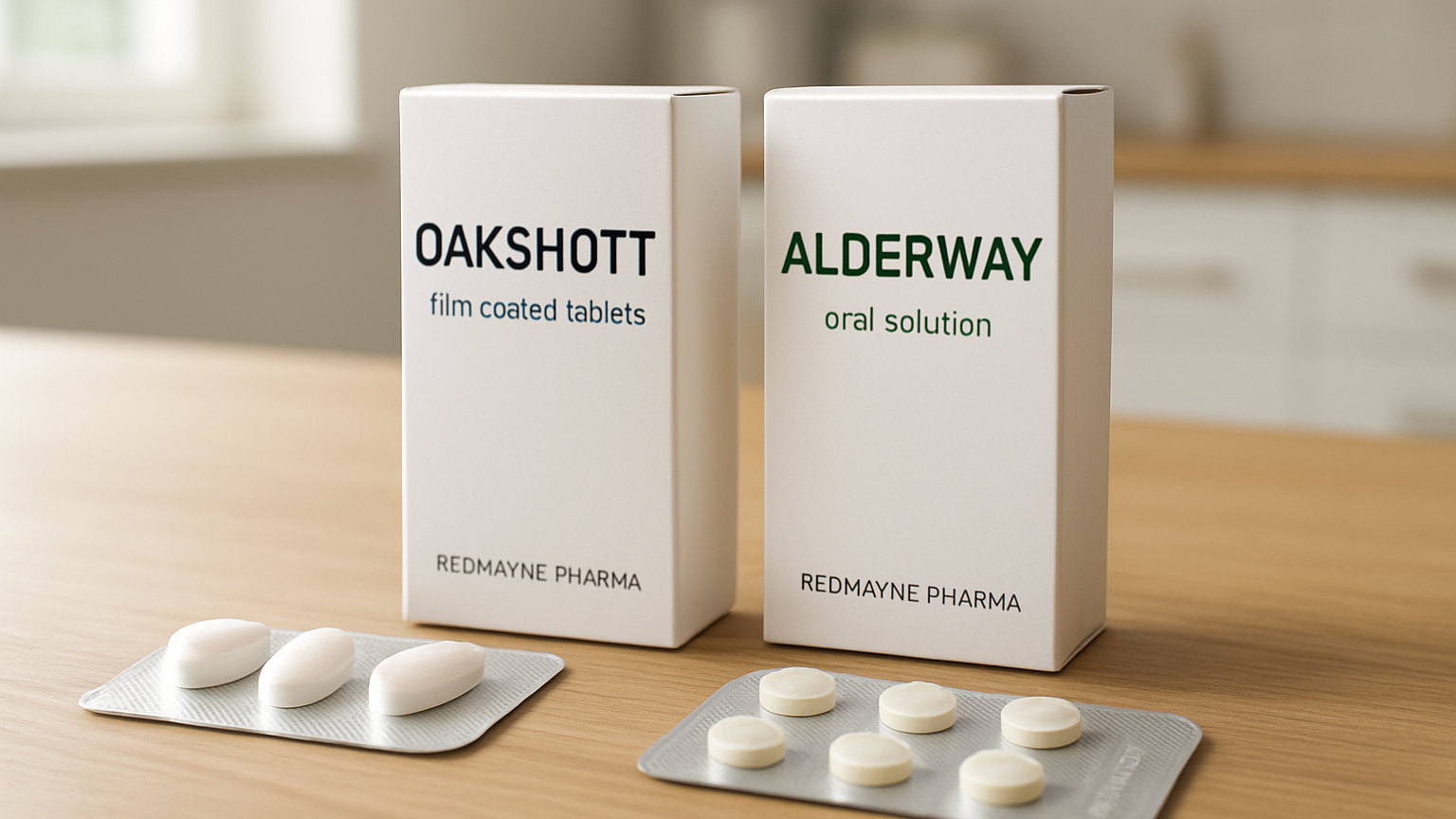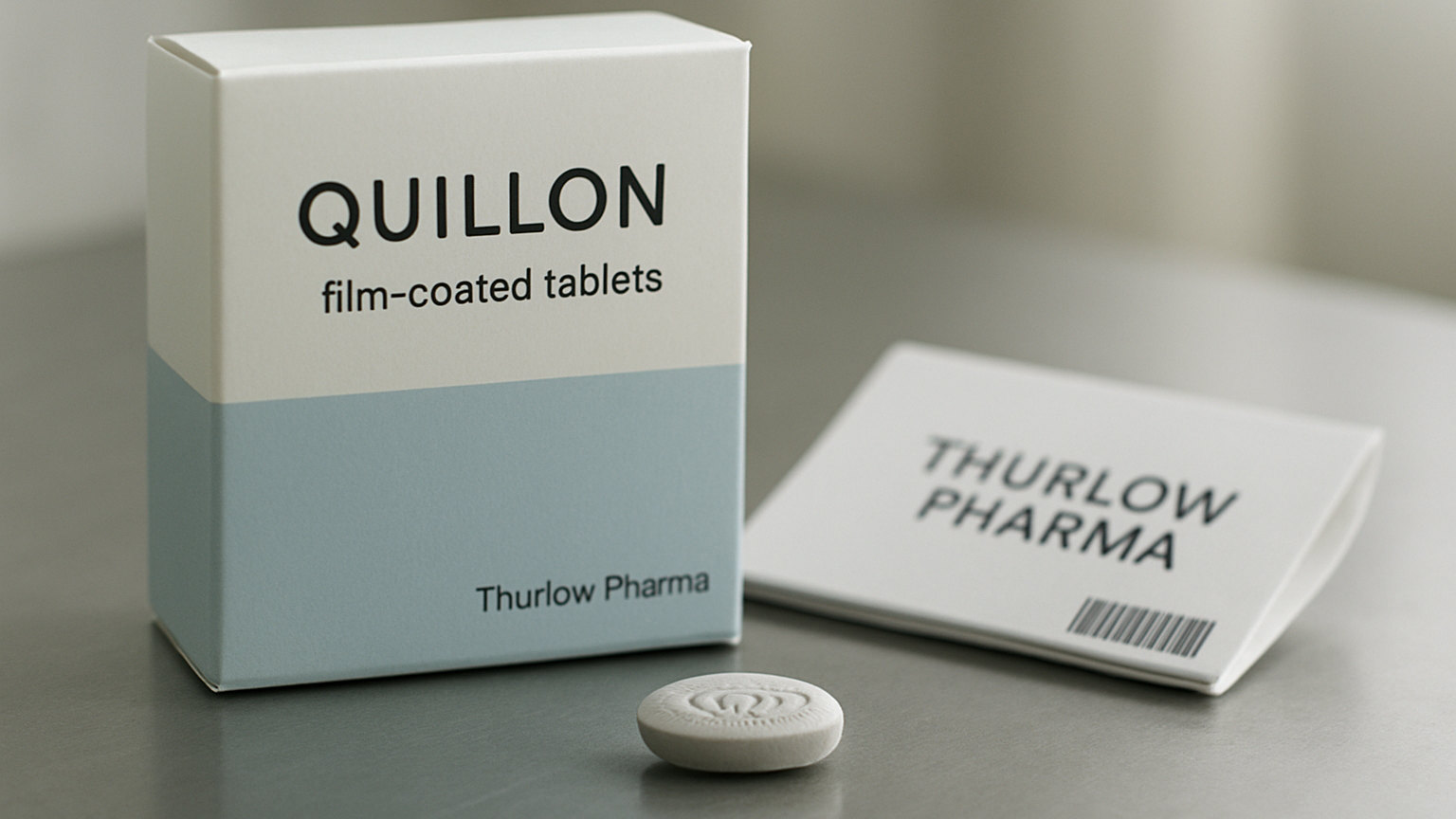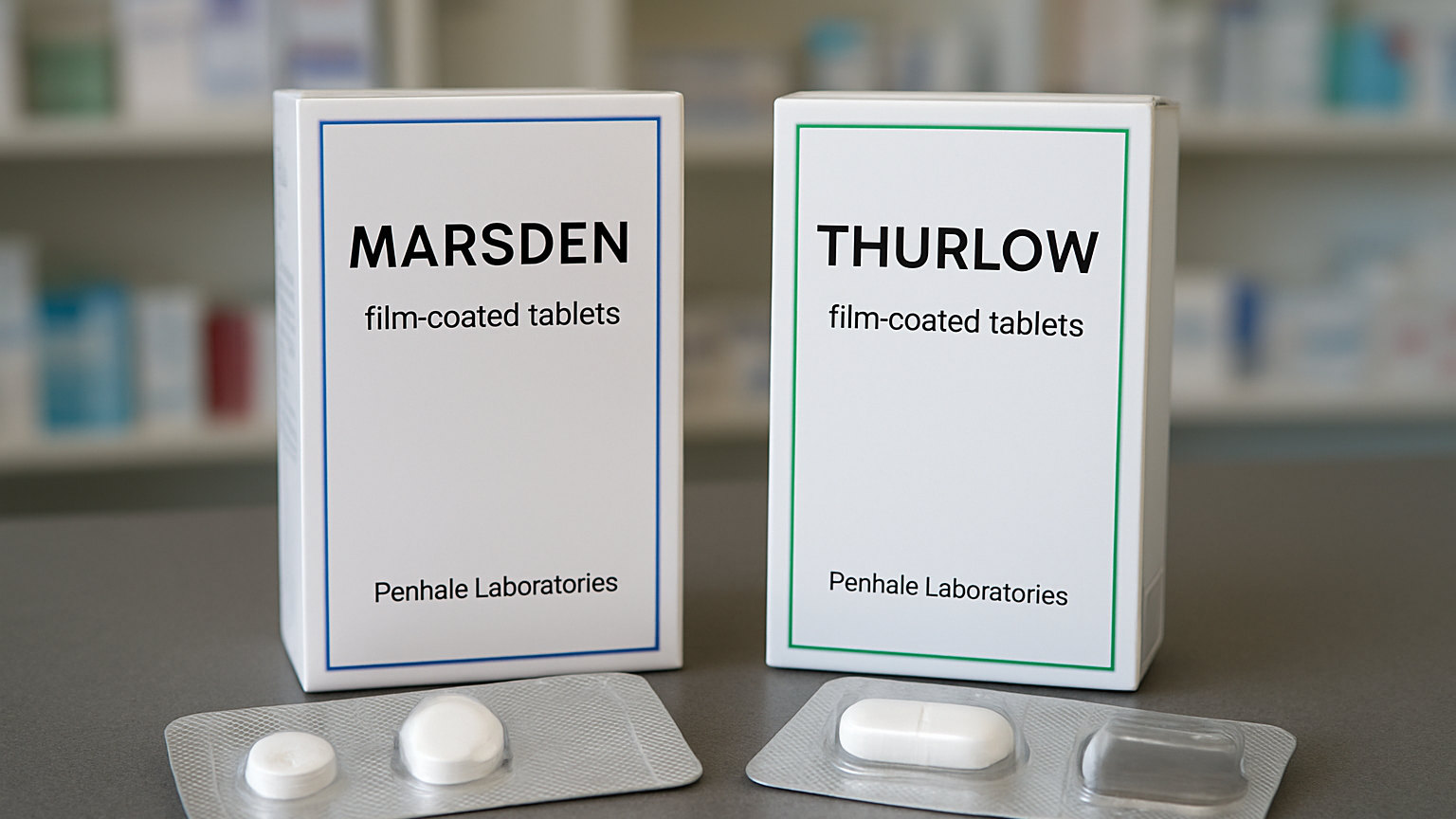
Opening a familiar box to find different-looking tablets is unsettling, and the usual explanation - the pharmacy bought from a different supplier - sounds like it is brushing something aside. For the great majority of medicines the change genuinely is cosmetic. For a short and specific list it is not, and those medicines are prescribed by brand for exactly that reason. Knowing which list yours is on is the useful thing.
Why most switches are fine
A generic medicine must contain the same active ingredient in the same amount, and must demonstrate bioequivalence - producing blood levels within a defined range of the original.
What differs is the tablet's appearance, the fillers and coatings, and sometimes the shape and markings.
That is why your metformin can be round and white one month and oval and beige the next while doing precisely the same thing.
Pharmacies buy from whichever supplier has stock at a reasonable price, which changes constantly - so switches are routine rather than a sign anything is wrong.
See why your medicine looks different.
When brand does matter
There are four reasons a medicine gets prescribed by brand, and they are all worth recognising.
Narrow therapeutic index. Small differences in absorption produce clinically meaningful differences in effect. Lithium and theophylline are the classic examples, and different lithium preparations are not equivalent at all.
See lithium and theophylline.
Modified-release technology. Different manufacturers use different release mechanisms, producing different profiles from the same nominal dose. This applies to diltiazem, nifedipine and several others.
See diltiazem and nifedipine.
Device differences. With inhalers, pens and injectors, the drug may be identical while the device works completely differently - and technique decides whether any of it reaches you.
Formulation potency differences. Beclometasone inhalers are the clearest case: extrafine preparations are roughly twice as potent as standard ones at the same nominal dose, so a switch without a dose change delivers double or half.
See beclometasone.
Anti-epileptic medicines
These have their own system. The MHRA places anti-epileptics in three categories:
Category 1 - including phenytoin, carbamazepine and phenobarbital - should be maintained on a specific manufacturer's product.
Category 2 - including valproate, lamotrigine and topiramate - requires clinical judgement, taking seizure frequency and patient factors into account.
Category 3 - including levetiracetam, gabapentin and pregabalin - can usually be switched without concern.
The stakes here are a breakthrough seizure, with consequences for driving and employment as well as health.
If your anti-epileptic looks different, query it before taking it.
See lamotrigine and carbamazepine.
Biosimilars
Biological medicines cannot be copied exactly, so their generic equivalents are biosimilars - highly similar rather than identical, approved on evidence of equivalent effect.
Switching is common in the NHS and generally uneventful.
What usually changes is the device - different pens have different mechanisms, dose increments and needle covers, and some contain citrate buffer while others do not, which affects stinging.
Ask to be shown the new device rather than assuming it works the same way. Errors at a switch come from the device, not the molecule.
See biosimilars explained and etanercept.
The nocebo effect
Worth being honest about. People who know they have been switched to a different product report more side effects than those who have not been told - even when the product is identical.
That does not mean symptoms are imagined. It means expectation genuinely influences experience, and it is one reason switch studies are hard to interpret.
If you feel worse after a switch, the right response is to report it and have it assessed - not to assume it must be the tablet, and not to assume it cannot be.
What to do if your medicine changes
Check the strength as well as the name. A different-looking box with a different strength is a genuine error to catch.
Ask the pharmacist why it has changed and whether it matters for that particular medicine. They will know.
Do not assume two tablets replace one unless you have been told so.
If you are on a brand-critical medicine and the pharmacy cannot get your usual product, that is a conversation with the prescriber rather than a substitution.
See when a medicine is out of stock and why some medicines are prescribed by brand.
Excipients
Occasionally the change that matters is not the drug but what surrounds it.
Lactose, gluten, soya, peanut oil, gelatine and various dyes appear in different products, which matters for allergies, coeliac disease and dietary or religious requirements.
See hidden ingredients in medicines.
The Prescriptions section covers more on prescriptions and pharmacy services - Combination Tablets: Two Drugs in One is closely related to this one.