Changing GP practice, moving to a new part of the country, or arriving in the UK from abroad all interrupt the machinery that keeps your medicines coming. Records take time to transfer, a new prescriber has to satisfy themselves about unfamiliar treatment, and some medicines available elsewhere are not available here. Most of the resulting gaps are preventable with a little preparation before the first appointment.
Registering
You can register with any GP practice whose boundary covers where you live, and you do not need to be removed from your old one first - the transfer happens automatically.
You do not need proof of address, identity or immigration status to register. Practices sometimes ask, but they cannot refuse registration for lack of documents, and NHS guidance is explicit about this. Anyone can register for GP services regardless of immigration status.
If you are away from home temporarily - at university, on a long visit, or working elsewhere - you can register as a temporary resident for up to three months while keeping your usual practice.
See who can prescribe.
The gap while records transfer
Paper and electronic records take time to arrive, and a new practice may have almost nothing on you at the first appointment.
That is the gap where medicines get missed or wrongly transcribed.
Bring evidence rather than relying on memory:
- Your repeat prescription slip from the old practice - the single most useful document
- The actual boxes, including inhalers, creams, drops and injections
- Any recent hospital or clinic letters
- Details of allergies and past reactions
- Dates of recent blood tests, if you know them
Ask your old practice for a printed summary before you move, which they will provide.
Order before you move, not after
The practical advice is simple and widely ignored.
Order a full supply from your old practice before you deregister, so you are not dependent on the new one processing a request in its first week.
Register with the new practice promptly rather than waiting until you run low.
If you do run out in the gap, a pharmacy can often help - see emergency supply from a pharmacy.
Medicines that cannot wait
Some gaps matter within a day or two. If you take any of these, say so at registration and ask for them to be prioritised:
Anti-epileptics, insulin, steroid replacement, Parkinson's medicines, clozapine, anticoagulants, transplant immunosuppressants, and opioid substitution treatment.
Clozapine is a particular case - it requires registration on a monitoring service, and if doses are missed for more than 48 hours the whole titration restarts. See clozapine.
Controlled drugs and shared care medicines also need specific arrangements rather than a routine repeat - see shared care prescribing.
Arriving from abroad
Three things commonly catch people out.
The medicine may not be licensed here. Desvenlafaxine, alprazolam and several others are widely used elsewhere and unavailable on the NHS. The usual outcome is a switch to an equivalent, which needs arranging before you run out.
See desvenlafaxine and alprazolam.
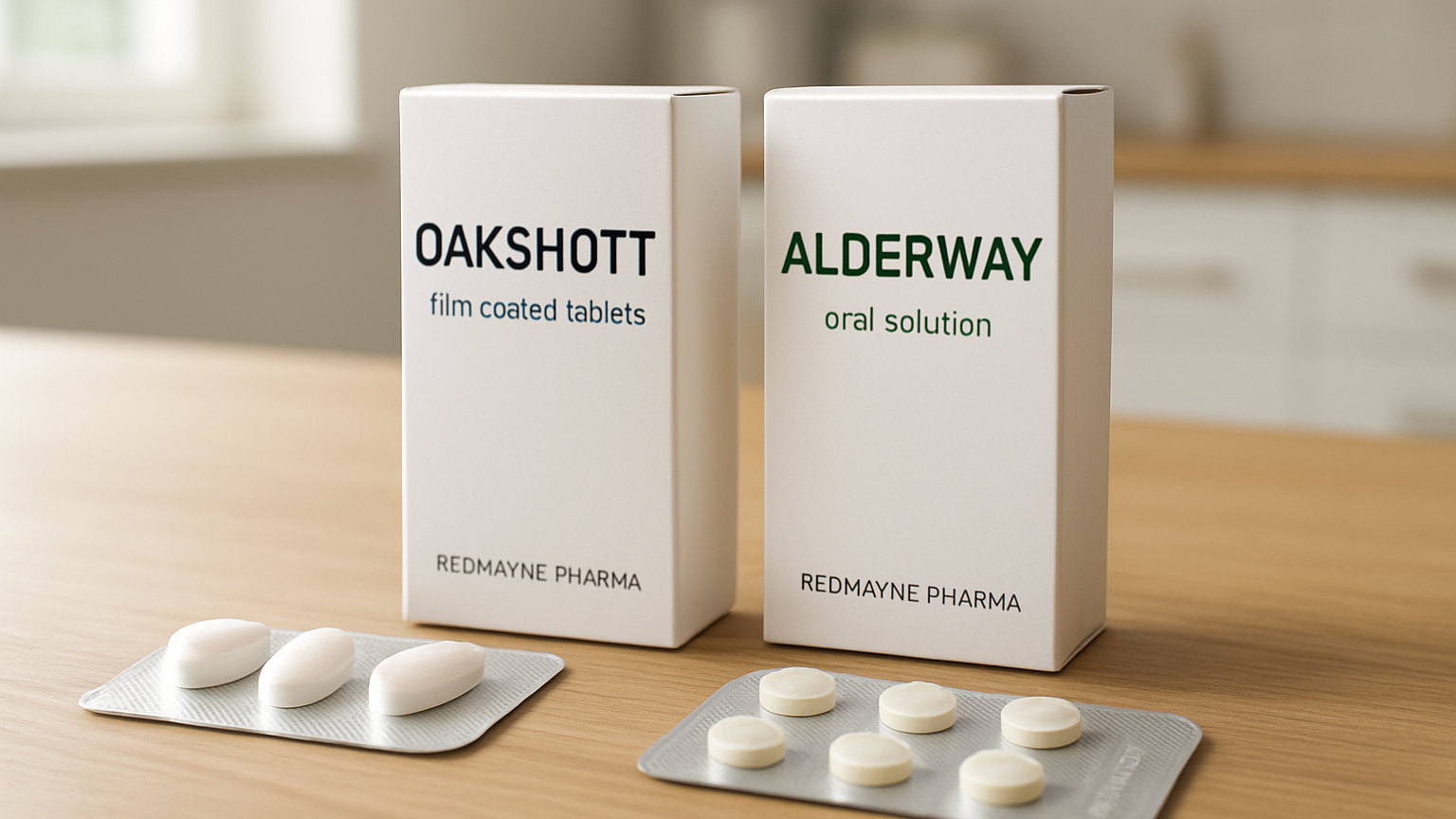
Brand names differ between countries. Bring the packaging, and know the generic name - the active ingredient - which is the same everywhere. A brand name alone can be ambiguous or meaningless here.
Strengths and formulations differ. The same drug may come in different strengths, and modified-release versions differ between manufacturers.
Bring a translated list if you can, and bring enough supply to cover the first few weeks.
Expect questions, not obstruction
A new prescriber may not immediately continue everything, particularly controlled drugs, unlicensed products, or anything started privately or abroad without documentation.
That is not distrust - they are accepting clinical responsibility for a prescription and need enough information to do so safely.
What helps: documentation, a named previous prescriber they can contact, and honesty about what you are actually taking.
What does not help: arriving with no supply left and expecting a same-day decision on an unusual medicine.
See when a prescription is refused.
Ask for a review early
A change of practice is a good moment for a proper medication review, because someone is looking at the whole list fresh.
Use it to ask what each medicine is for, whether anything is no longer needed, and what monitoring is due.
Things that have drifted for years get picked up at exactly this point.
See medication reviews and keeping a medicines list.
Changing pharmacy too
You can nominate a different pharmacy at any time, through the NHS App or by asking the pharmacy directly.
If you use electronic prescriptions, the nomination controls where they go - and prescriptions sent to your old pharmacy will sit there until cancelled.
See changing GP practice or pharmacy and using the NHS App.
Prescription charges
If you move between the four UK nations, the charging rules change - England charges, the other three do not.
Exemption certificates are not automatically transferred and may need reapplying for.
See prescription charges across the UK.
How Long a Prescription Is Valid covers a related point, and the Prescriptions section has the rest of these guides.