Having medicines delivered is convenient and, for anyone housebound or working long hours, close to essential. It also introduces failure points that collecting in person does not have - a parcel left in the sun, a missed delivery returned to a depot, a cold chain broken somewhere between the pharmacy and your door. The awkward part is that a heat-damaged medicine usually looks entirely normal.
Refrigerated medicines are the real issue
Insulin, biologics, some eye preparations, certain antibiotics and several fertility medicines all require refrigeration, and they are increasingly delivered rather than collected.
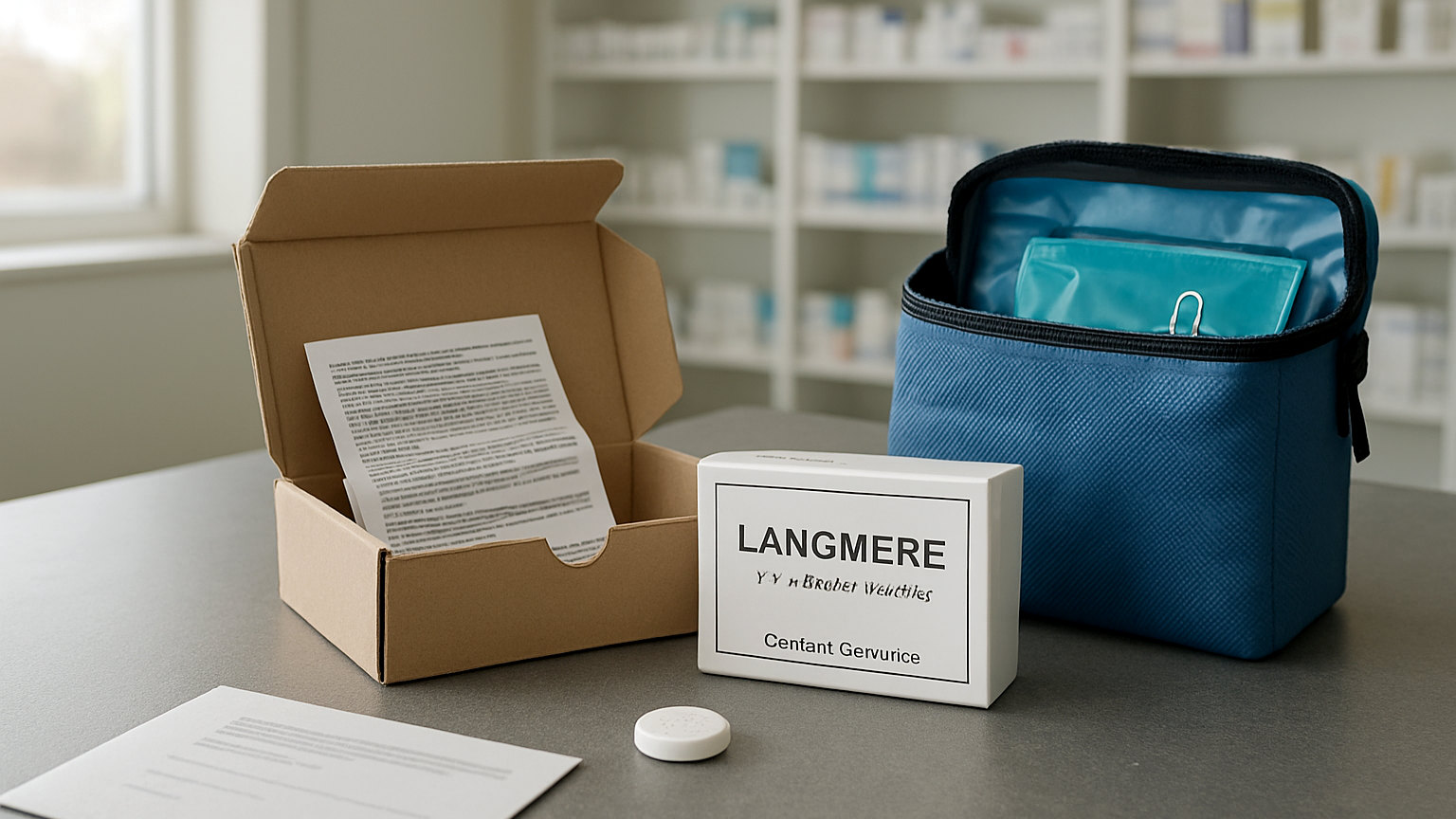
A properly organised delivery uses validated insulated packaging with temperature monitoring, and many homecare services include a data logger or an indicator in the box.
What goes wrong is a parcel left in a porch, a greenhouse-hot conservatory, or a plastic delivery box in direct sun for an afternoon.
Heat damage is invisible. Insulin that has been too warm looks the same and works less well - and freezing is worse still, destroying insulin and most biologics permanently even though the vial appears normal afterwards.
See medicines that need the fridge.
What to do on arrival
Bring it in immediately and refrigerate anything that needs it.
Check any temperature indicator or logger in the box and read the instructions for it. If it shows a breach, do not use the medicine - contact the supplier.
Check the cold packs. Still cold is reassuring; fully thawed and warm is not.
Check nothing has frozen. Ice crystals, cloudiness in a normally clear solution, or a product that has been touching a frozen gel pack directly all mean it should not be used.
Check the contents - medicine, strength, quantity and expiry date - against what you expected. A manufacturer switch or a substitution passes unnoticed when nobody hands it over a counter.
If you are in doubt, ring the supplier before using it. They will replace it. Using a medicine you suspect has been damaged is the worse option.
See power cuts and fridge failures.
Arrange delivery properly
Book a delivery slot for refrigerated items, and be in for it. A "safe place" is not safe for a cold chain item.
Give clear instructions for everything else - a genuinely sheltered spot out of the sun, or a neighbour.
Ask for a signature where privacy matters, or where the contents would be obvious.
Do not use a parcel locker for anything temperature-sensitive.
Consider delivery to a workplace if you are never home - though check the fridge arrangements there.
See medicines at work and school.
Missed deliveries
A parcel returned to a depot may sit unrefrigerated for days, and a redelivery attempt adds more.
Contact the pharmacy rather than the courier if a refrigerated item is missed - they can decide whether the original is still usable or whether to send a fresh supply.
Do not accept a redelivery of a cold chain item that has been in transit for days without checking.
If you are going to be away, pause the delivery rather than letting it arrive to an empty house.
Privacy
A delivery reaches an address rather than a person.
Consider who else opens the post, whether the packaging identifies the pharmacy, and whether notification texts or emails appear on a shared device.
Legitimate pharmacies use plain packaging as standard, and will use a signature service on request.
Check what marketing you have consented to, since that is where a pharmacy relationship becomes visible in other ways.
See your data and online pharmacy services.
Build in more time
Delivery adds days to a process that already has several steps.
Order a week or more ahead, and considerably longer before bank holidays, when couriers and pharmacies both close.
Keep a small margin at home rather than relying on the next parcel arriving.
For anything time-critical - insulin, anti-epileptics, Parkinson's medicines, anticoagulants - it is worth having a local pharmacy as a fallback rather than depending entirely on post.
See when your repeat is delayed and emergency supply from a pharmacy.
Homecare services
Biologics and some specialist treatments are delivered by homecare companies commissioned by the hospital rather than by a pharmacy.
These usually include fridge storage advice, sharps bin supply and collection, and a dedicated contact line - use it rather than the hospital switchboard.
Make sure these medicines appear on your medicines list, since homecare deliveries sometimes sit outside both the GP and hospital records.
See when two prescribers do not know about each other.
If this was useful, How to Check an Online Pharmacy Is Legitimate is worth reading next, and Prescriptions collects the rest.