Most reporting guidance is about side effects - the medicine worked as designed and caused an unwanted effect. A separate category exists for when the product itself is wrong: tablets that look different from the rest of the strip, a bottle containing the wrong thing, packaging that has been tampered with, or a product bought online that is not what it claims to be. These are reported too, and the packaging is the evidence.
What counts as a defect
Report any of these:
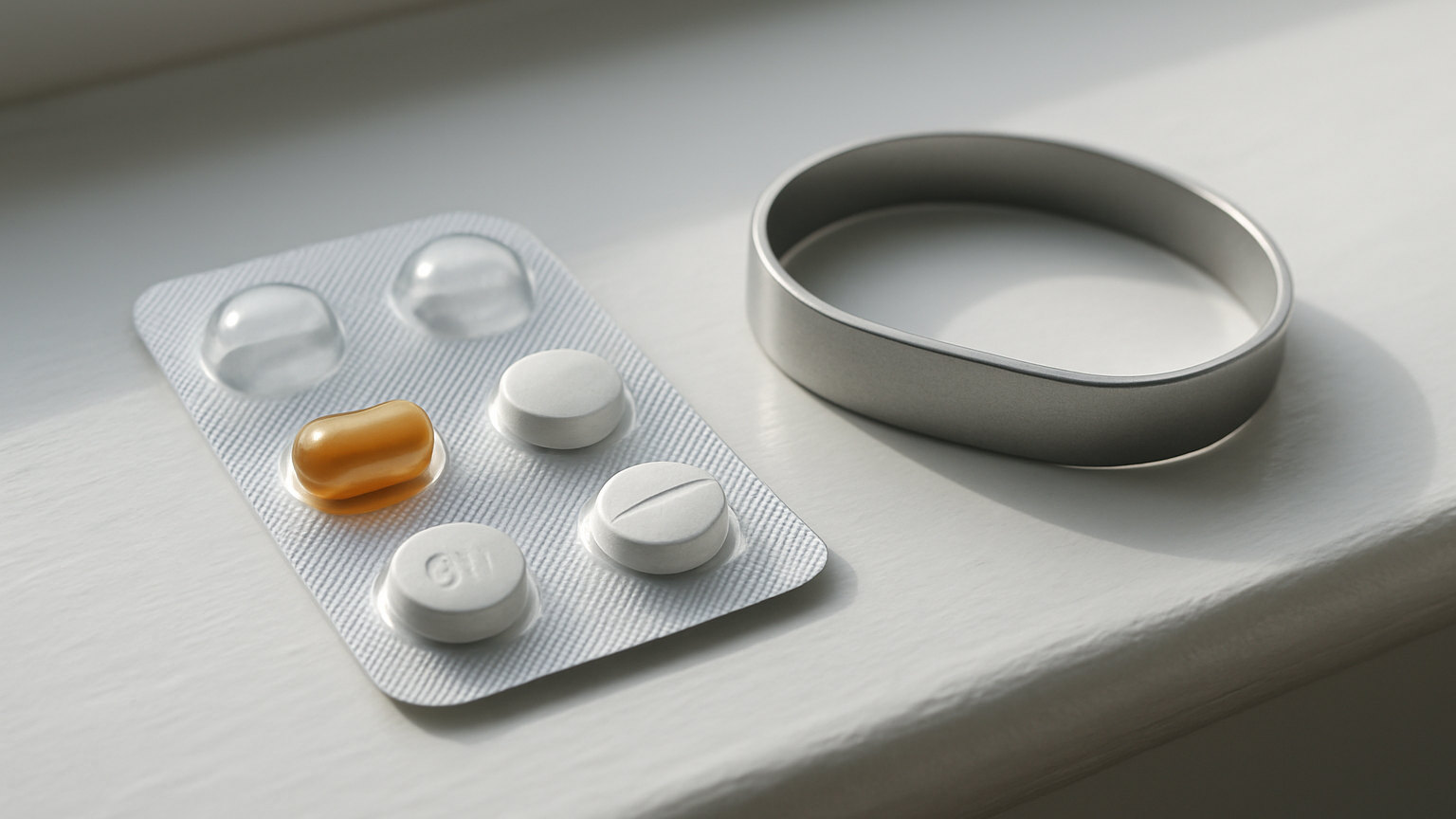
- Wrong contents - tablets that differ from the others in the pack, or from what the label describes
- Wrong quantity, or an empty or partly filled container
- Damaged or degraded product - crumbling, discoloured, mouldy, or a liquid that has separated or grown something
- Foreign material - particles, fibres or anything that should not be there
- Packaging or labelling errors - wrong strength on the label, missing leaflet, illegible expiry, a blister strip that does not match the carton
- Devices that fail - a pen that will not dial, an inhaler that does not actuate, a syringe that leaks
- Evidence of tampering - broken seals, resealed cartons
See how to tell if a medicine has gone off for what is degradation rather than a manufacturing fault - though in practice, report either and let them decide.
Do not throw it away
This is the single most useful thing.
The batch number and expiry date on the carton are what allow a manufacturing problem to be traced, and whether other packs from the same batch are affected.
Keep the product, the packaging and the leaflet. Photograph them. Do not decant, wash out or bin anything.
Take it back to the pharmacy that supplied it rather than disposing of it yourself.
Who to tell
Start with the pharmacy that dispensed it. They can check their stock, quarantine the batch, supply a replacement, and report through the professional channels - which they do routinely.
Pharmacists are the main route by which defective batches are identified.
You can also report directly to the MHRA, which handles both side effects and quality defects. Anyone can report - you do not need to be a health professional.
See how the Yellow Card scheme works.
Recalls
When a problem is confirmed, a recall or alert is issued to pharmacies and practices, specifying the affected batches.
Recalls vary in urgency - some require immediate action within hours, others are handled at the next routine check.
If you are contacted about a recall affecting your medicine, do not simply stop taking it. Ask what to do - usually you return it and are supplied with a replacement, and the gap matters more than the defect for many medicines.
The valsartan recalls of 2018 and 2019 are a useful example: batches were withdrawn over an impurity, and the risk of stopping blood pressure treatment was considerably greater than the risk from the impurity.
See valsartan.
Suspected counterfeits
Falsified medicines are a growing problem, driven largely by online supply and by shortages of medicines in high demand.
Falsified weight-loss injection pens have been seized in the UK, some containing insulin, with people hospitalised as a result. Falsified benzodiazepines sold as Xanax frequently contain other drugs entirely, including potent synthetic opioids.
Warning signs: packaging that differs from previous supplies, spelling errors, missing batch or expiry details, a different appearance or smell, a device that feels wrong, and a price or availability that does not match legitimate suppliers.
A site with stock when registered pharmacies have none is telling you something.
See weight loss injections bought online and alprazolam.
What to do with a suspected fake
Stop taking it.
Keep everything - the product, packaging, delivery note, order confirmation, website address and payment record.
Report it to the MHRA, which investigates falsified medicines and has enforcement powers.
Tell your GP, particularly if you have already taken it, since you may have been taking something quite different from what you expected - or nothing at all, which matters if it was treating something serious.
Do not order a replacement from the same source.
See checking an online pharmacy is legitimate.
Dispensing errors
These are different from manufacturing defects - the right product, dispensed wrongly.
Wrong medicine, wrong strength, wrong label, wrong patient's name on the bag.
Check what you have been given before you leave the pharmacy, and check it again against your usual medicines at home.
Report it to the pharmacy, which is required to investigate. They would far rather know.
See if you think your medicine is wrong.
Why reporting matters
A single report rarely proves anything. A pattern across several reports from different places is what identifies a faulty batch or a counterfeit supply chain.
Most people assume someone else will have reported it. Frequently nobody has.
Side Effects in Older People covers a related point, and the Side Effects section has the rest of these guides.