Dispensing errors are uncommon relative to the volume of prescriptions handled, but they happen, and the last person with a chance to catch one is you. A ten-second check before leaving the counter catches almost everything. Pharmacists would far rather answer a query than discover a week later that something went wrong, and raising one is expected rather than awkward.
What to check before you leave
Four things, on the label rather than the box:
Your name. Bags get mixed up, particularly where two people share a surname or an address.
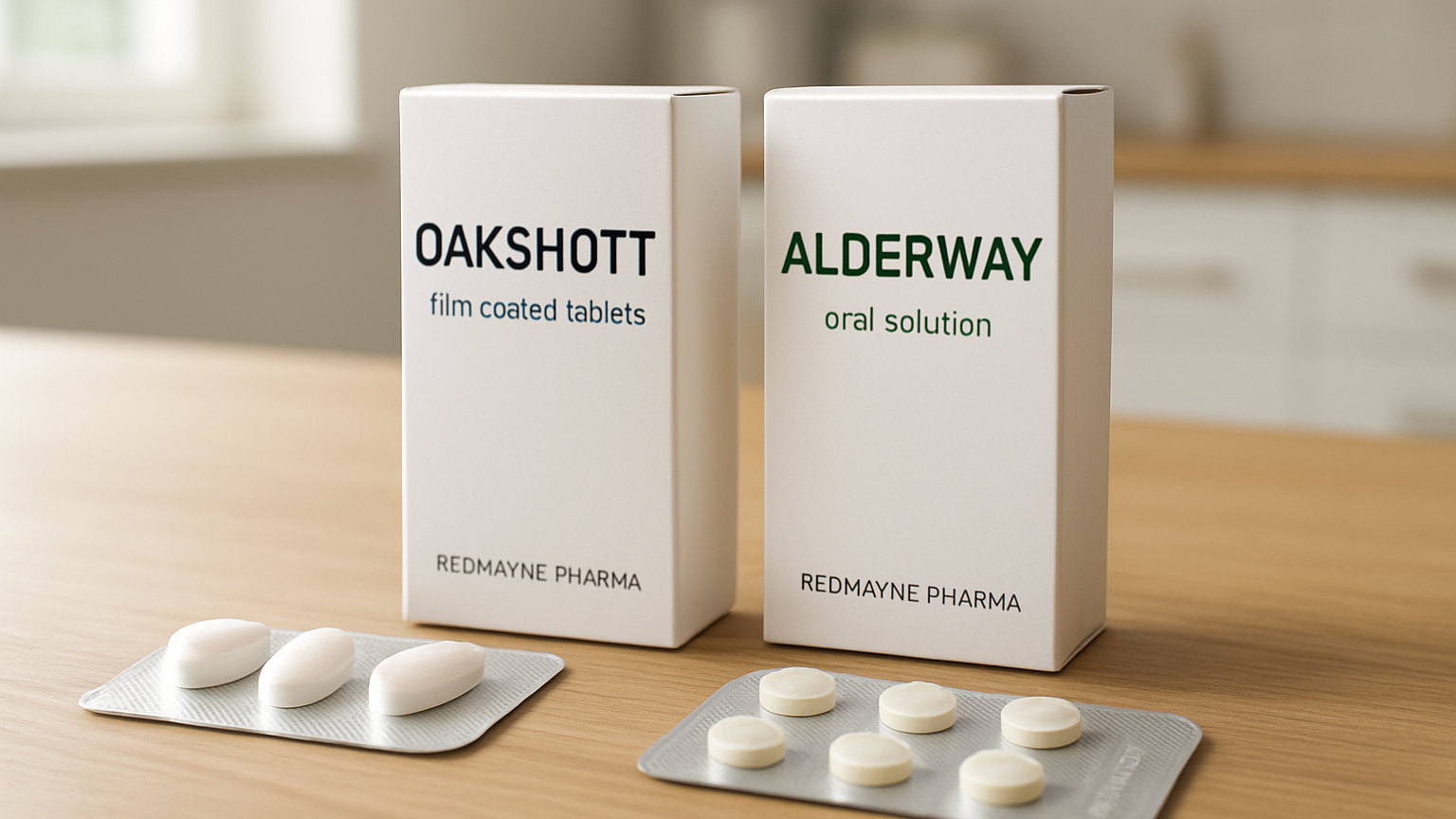
The medicine name. Many look and sound alike - and confusion between similar names is one of the commonest sources of error.
The strength. The most frequently missed check, and the one most likely to matter.
The directions. Do they match what you were told, and what you have been taking?
Then count the items against what you expected. Missing items are common - frequently owed because of stock, and just as frequently forgotten by everyone.
Tablets that look different
Usually this is a change of manufacturer and is entirely benign - generics from different suppliers vary in colour, shape and markings while containing the same drug.
But it is also what a dispensing error looks like, so it is worth a question rather than an assumption.
Ask, and while you are asking, check the strength has not changed too.
For a specific group of medicines a manufacturer change genuinely matters - certain antiepileptics, lithium, theophylline, modified-release products and inhalers.
See switching between manufacturers and why your medicine looks different.
If something seems wrong
Do not take it. Go back, or telephone if you have already left.
Take the medicine and the packaging with you, and keep it rather than disposing of it - it is the evidence of what happened.
Pharmacies investigate errors as a matter of routine. The response you should expect is a check of the original prescription, correction, and an explanation.
If the error came from the prescription itself rather than the dispensing, the pharmacy will contact the prescriber.
If you have already taken it
Ring the pharmacy or 111 for advice straight away rather than waiting to see what happens.
For most single doses of most medicines, the answer is reassurance. For some it is not - anticoagulants, insulin, opioids, methotrexate taken daily instead of weekly, and anything with a narrow margin.
Call 999 or go to A and E if you feel unwell, or if a child has taken something not meant for them - and take the packaging.
When the prescription itself looks wrong
Sometimes the dispensing is correct and the prescription is the problem - a dose that has changed without explanation, a medicine you were told had been stopped, or something you have reacted to before.
Pharmacists check for this and query a great deal before it reaches you. They do not catch everything.
Things worth querying:
- A dose that differs from what you were told at the appointment
- A medicine you thought had been stopped
- Two medicines that look like the same thing - two statins, or a "-pril" and a "-sartan" together
- Something from the family you are allergic to
- Methotrexate dispensed for daily use, which is a weekly medicine and a recognised fatal error - see methotrexate
You are not second-guessing anyone by asking. You are the only person who sees the whole picture.
After a hospital stay
Discharge is where lists go wrong most often, and the discharge medicines may differ from your usual ones without anyone explaining why.
Compare the discharge list against your own list and query anything that differs - see keeping a medicines list.
Common problems: a medicine stopped in hospital that reappears on the GP repeat, a dose changed in hospital that the practice does not know about, and a short course intended for two weeks that becomes permanent.
Reporting it
Tell the pharmacy, which is required to record and investigate.
If you want to take it further, every pharmacy and practice has a complaints process, and PALS can help with NHS services.
Product defects - as opposed to dispensing errors - are reported to the MHRA. See reporting a faulty or fake medicine.
Reporting is not about blame. Pharmacies use near-miss data to change how they work, and the errors that get reported are the ones that get designed out.
Reducing the chance
Use the same pharmacy where you can, so they know your history and notice when something is out of character.
Order only what you need, so the bag is not full of items you cannot check properly.
Keep your own list current.
Open the bag at the counter rather than at home - questions are easier answered face to face.
See what your pharmacist can do.
The Prescriptions section covers more on prescriptions and pharmacy services - Questions to Ask About a New Medicine is closely related to this one.