Take unwanted medicines back to any community pharmacy. They accept them free of charge, from anyone, without an appointment and without needing to know why. Do not put them in household waste, do not flush them, and do not give them to anybody else. This applies to tablets, capsules, liquids, creams, inhalers and anything else you no longer need - including medicines belonging to someone who has died.
Why not the bin or the toilet
The bin means medicines end up in landfill, where compounds can leach into groundwater, and it leaves them accessible - to children, to pets, and to anyone going through rubbish. Blister packs in a kitchen bin are a recognised route to accidental poisoning in toddlers.
The toilet or sink sends drugs into the water system. Sewage treatment is not designed to remove pharmaceutical residues, and traces of hormones, antibiotics, antidepressants and painkillers are routinely detected in rivers, with documented effects on fish and other aquatic life. Antibiotics entering the environment also contribute to resistance.
The old advice to flush unwanted medicines has been superseded, so if you were told that years ago, that is why it has changed.
What pharmacies take
- tablets, capsules and liquids, whether or not the pack is opened
- creams, ointments and eye drops
- inhalers, which need specific disposal - see below
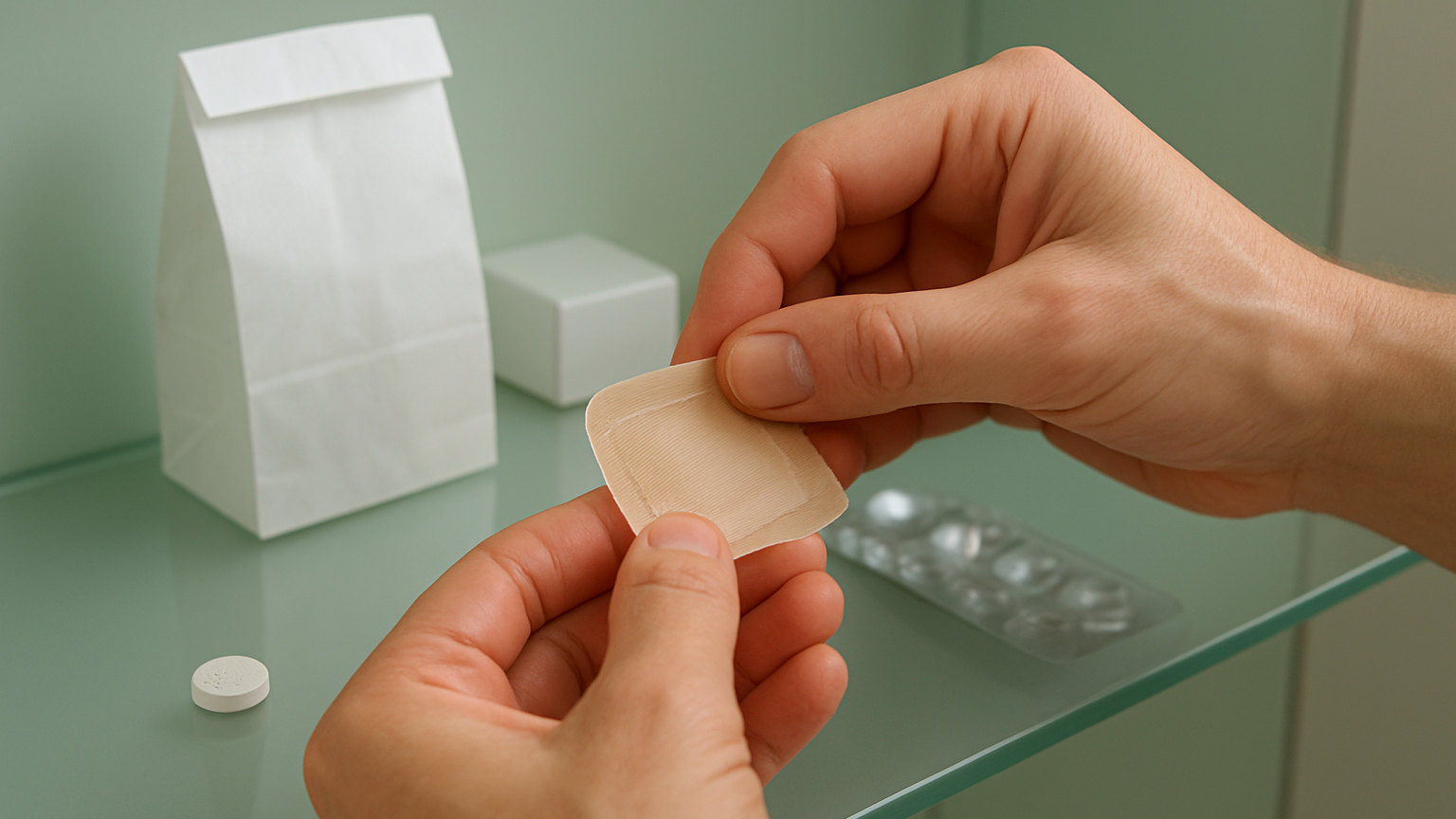
- patches, including used ones, which still contain active drug
- controlled drugs such as strong painkillers, though these need extra paperwork at their end
- medicines belonging to someone who has died
Leave them in their original packaging where you can, so staff can identify what they are handling. You can remove the label with your name on it if you prefer, though pharmacy staff are bound by confidentiality.
What they do not take
Sharps - needles, lancets, pen needles and syringes - must go in a proper sharps bin, never in a household bin or a drinks bottle. Sharps bins are usually provided by your GP practice or specialist team, and collection arrangements vary by local authority. Ask your practice or council rather than improvising.
Empty cardboard boxes and paper leaflets can go in normal recycling. Some pharmacies run schemes for empty blister packs; check locally, as these are not universally recycled.
Inhalers deserve a special mention
Pressurised inhalers contain propellant gases that are potent greenhouse gases - a single discarded inhaler can carry a climate impact comparable to a substantial car journey. Returning them to a pharmacy means the propellant is dealt with properly rather than vented from landfill.
Return them even when you think they are empty, since residual propellant remains. Dry powder inhalers do not contain these gases but should still be returned. Our guide to preventer and reliever inhalers covers how to tell what you have.
Never pass medicines to somebody else
Giving leftover tablets to a friend or relative with "the same thing" is well-meant and genuinely risky. The dose was chosen for someone else's weight, kidney function and other medicines. They may be allergic. The diagnosis may be wrong. And a part-course of antibiotics is both the wrong drug for most infections and too short for any - our guide to finishing a course explains why.
Supplying prescription-only medicines to another person is also against the law, regardless of intent.
Why so much gets wasted
Unused medicines cost the NHS a very large sum every year, and once dispensed nothing can be reissued to anyone else, even unopened - there is no way to guarantee how it has been stored.
The practical things that reduce waste are small:
- order only what you actually need each month rather than ticking everything on the repeat slip
- check what you already have at home before ordering
- tell your practice or pharmacy when you stop taking something so it comes off the list
- be wary of managed repeat services that reorder everything automatically
- ask for a medicines review once a year
Our guide to ordering repeats covers keeping the list clean.
Clearing out after a death
All of it can go back to a pharmacy, including controlled drugs. You do not need to sort it, explain it, or bring documentation. Pharmacy staff handle this regularly and will simply take it.
If controlled drugs were supplied for end-of-life care at home, the district nursing team or hospice will often deal with disposal directly - ask them first.
Doing a check once a year
Pick a date and go through everything in one go. Return anything expired, anything you have stopped taking, anything unlabelled, and anything you cannot identify. Check the dates on things you rarely use but might need urgently - a reliever inhaler, a GTN spray, an adrenaline auto-injector.
Keeping what remains in one cool, dry place makes the next check easier, as our guide to storing medicines explains.
See also How to Dispose of Needles and Sharps, and the Usage section for more on taking medicines day to day.