Studies of long-term medicines consistently find that around half of people do not take them as prescribed. Very little of that is carelessness. It is usually a mismatch between the regimen and the life it has to fit into - doses at times that do not correspond to anything you already do, too many items, or a medicine you were never convinced you needed. The fixes are mostly practical, and the most effective of them cost nothing.
Anchor doses to something you already do
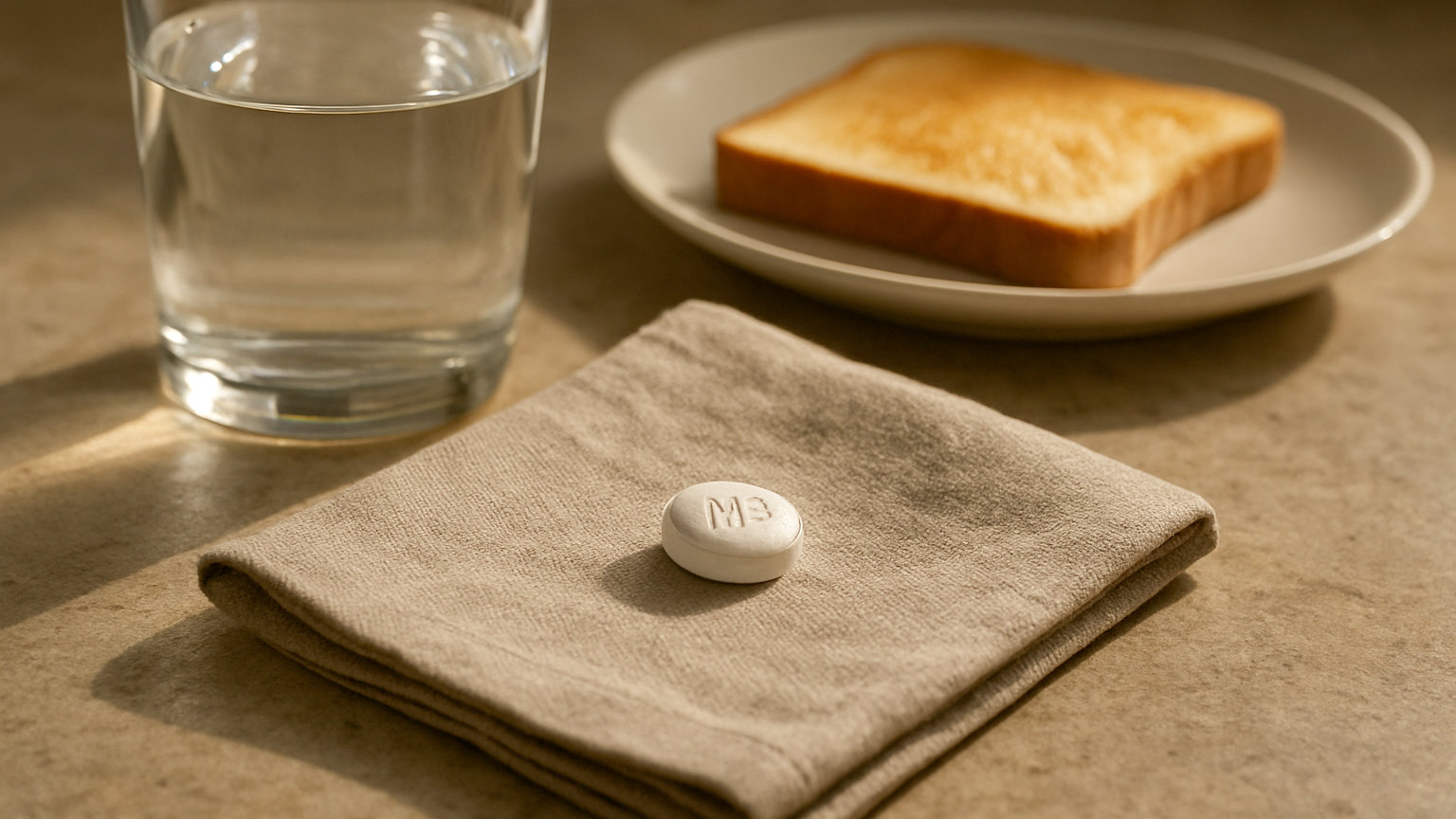
The most reliable technique is to attach a dose to an existing habit rather than to a time. Boiling the kettle, brushing your teeth, feeding the cat, putting the bins out on a Tuesday - these happen without decision, and the medicine comes along with them.
"At 8am" relies on you remembering. "With the first cup of tea" relies on something that will happen anyway. Keep the tablets physically where that habit occurs, provided it is a suitable storage place - which rules out the bathroom, as our guide to where to keep your medicines explains.
Pill organisers and blister packs
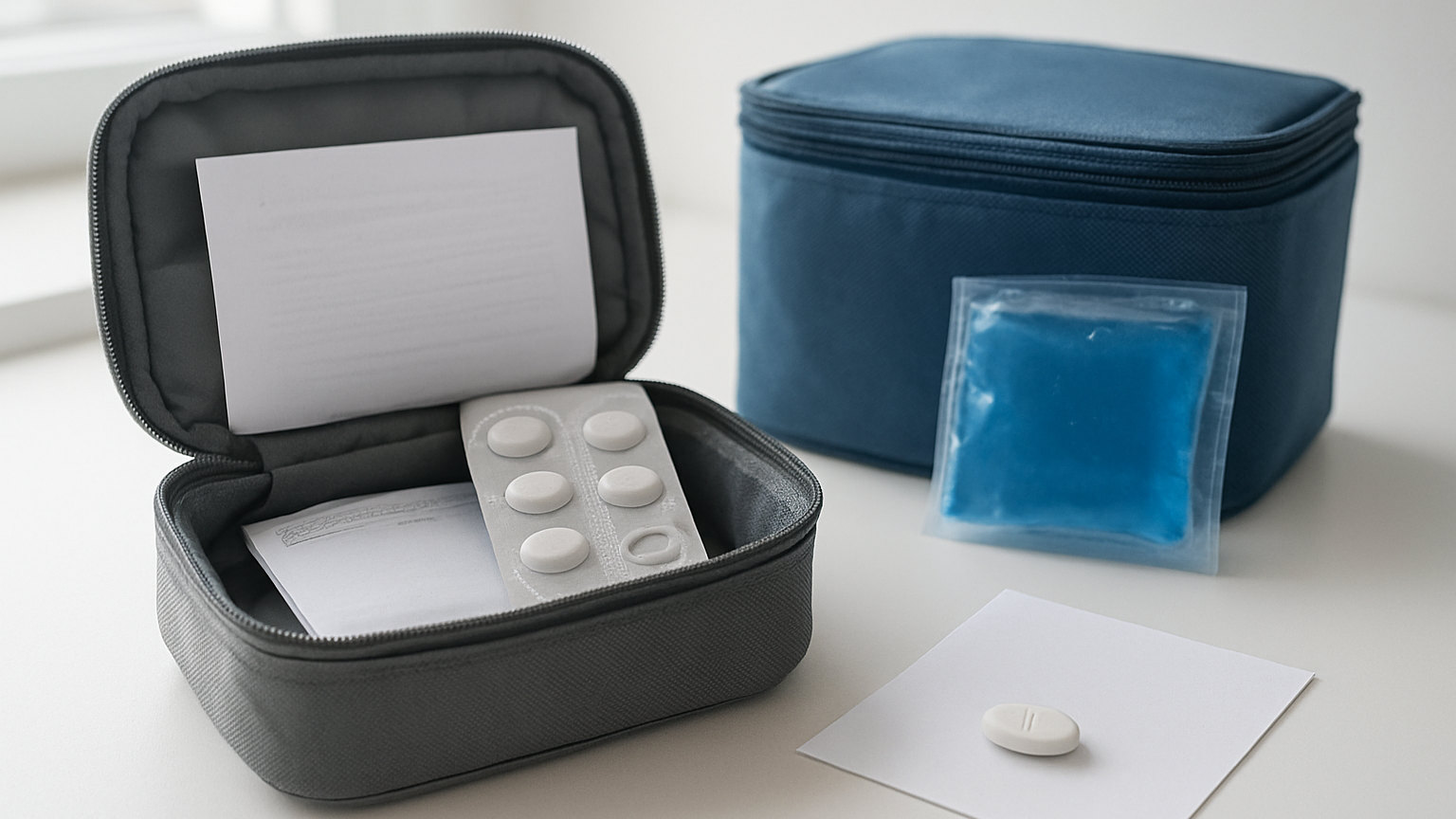
A weekly organiser with compartments lets you see at a glance whether you have taken today's, which solves the specific and very common problem of not being able to remember either way.
Check with your pharmacist before decanting, though: not everything is stable outside its original blister, some tablets absorb moisture, and modified-release and dispersible forms may not be suitable. Keep the original boxes so the information and expiry dates are still available.
Pharmacies can also supply a multi-compartment blister pack made up for you, with each dose time sealed separately. Ask whether you are eligible - it is not offered to everyone, and availability varies, but it transforms things for people managing several medicines.
Reminders that work
Set phone alarms labelled with the medicine name rather than a generic "tablets" - a labelled alarm tells you what you are being reminded about when you look at it an hour later.
Medication reminder apps do more, including tracking what you have taken and warning when supplies run low. The NHS App shows your repeat list and lets you reorder, which our guide to using the NHS App covers.
If you live with someone, a shared reminder for anything critical is more reliable than a private one.
Reduce the number of decisions
The single biggest predictor of missed doses is complexity. Ask at your next review whether your regimen can be simplified:
- Can anything move to once daily rather than two or three times?
- Are any of these no longer needed?
- Can two be combined into a single tablet?
- Can everything be moved to the same time of day?
- Can repeats be synchronised so everything runs out together?
That last one matters more than it sounds. Items running out on different dates means several trips and several chances to run short - our guide to ordering repeats covers it, and running out is a more common cause of missed doses than forgetting.
Keep a spare supply where you might need it
A few days' worth in a bag, a desk drawer, or at a partner's or relative's house covers the nights you are not where you expected to be. Keep it labelled and in date, and check it a couple of times a year.
When the problem is not memory
Sometimes doses get missed for reasons that no alarm will solve, and these are worth naming honestly:
- Side effects. People frequently stop or skip rather than report - and most side effects have a solution, as our guide to side effects covers.
- Not being convinced it is needed. Preventive medicines produce nothing you can feel. Ask what it is doing and what happens without it.
- Cost, in England. Check whether you are exempt or would benefit from a prepayment certificate - see who gets free prescriptions.
- Swallowing difficulty, which usually has an alternative - see cutting and crushing tablets.
- Packaging you cannot open. Pharmacies can supply non-child-resistant caps on request where it is safe.
Be honest at your review
Under-reporting is the thing that causes harm. If a prescriber believes you are taking something you are not, the logical next step when it appears not to be working is a higher dose - for a drug you were never taking.
"I manage about four days a week" is far more useful than "yes, fine", and nobody is going to be annoyed. It is one of the most common conversations in general practice, and it usually ends with the regimen being changed rather than you being told to try harder. Our guide to missed doses covers what to do on the days it does happen.
More on taking medicines day to day in the Usage section, including How to Read a Medicine Label.