
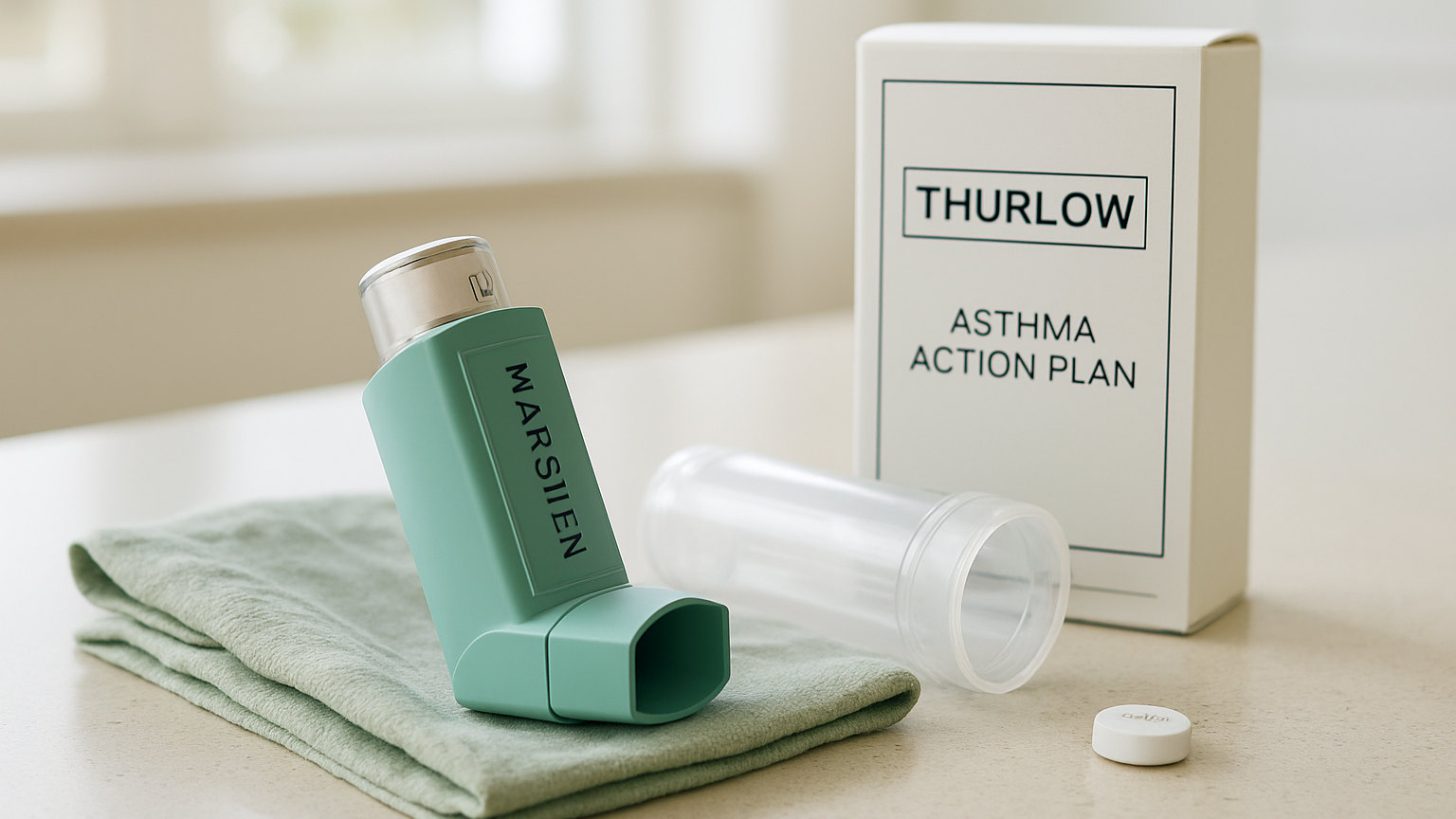
COPD and asthma are both treated with inhalers, but the underlying problems differ and so does the treatment. Asthma is largely inflammatory and reversible, and responds well to inhaled steroids. COPD involves lasting structural damage to the airways and air sacs, usually from smoking, which medicines cannot reverse. Long-acting bronchodilators do most of the work in COPD, and inhaled steroids are used more selectively because they carry a raised risk of pneumonia in this group.
What the medicines can and cannot do
It is worth being clear about this, because expectations affect how people judge their treatment. Inhalers in COPD reduce breathlessness, improve exercise capacity and reduce flare-ups. They do not restore lost lung tissue and do not cure the condition.
The two things that genuinely change the course of COPD are stopping smoking and pulmonary rehabilitation - a structured exercise and education programme. Both have stronger evidence for outcomes than any inhaler, and both are under-used. If you have not been offered pulmonary rehab, ask.
The inhaler classes
Short-acting bronchodilators - salbutamol, or ipratropium - relieve breathlessness within minutes and last a few hours. Used as needed.
Long-acting beta agonists (LABA) relax the airway muscle over twelve to twenty-four hours.
Long-acting muscarinic antagonists (LAMA) block a different pathway to achieve the same relaxation. Tiotropium is the best known.
LABA/LAMA combinations are now the mainstay for most people with COPD, since blocking both pathways works better than either alone.
Inhaled steroids are added where there are frequent exacerbations, or features suggesting an asthma component - such as a raised blood eosinophil count or a history of asthma. They are not standard for everyone, and this is the main difference from asthma treatment, covered in our guide to preventer and reliever inhalers.
Why steroids are used more carefully in COPD
Trials have consistently shown a raised risk of pneumonia with inhaled steroids in COPD - a risk that does not appear in the same way in asthma. They also contribute to oral thrush and hoarseness.
So they are prescribed where the reduction in exacerbations justifies it, and withdrawn where it does not. If you have been on one for years without frequent flare-ups, it is reasonable to ask whether it is still needed - though never stop it yourself.
Rinse your mouth and spit after any steroid inhaler, and use a spacer where appropriate - see our guide to steroid inhaler safety.
Technique matters more than the drug
A large proportion of people use their inhaler incorrectly and get a fraction of the intended dose. In COPD this is compounded by reduced inspiratory effort, which affects dry powder devices in particular - they need a quick, forceful breath in, and some people cannot generate it.
If you struggle with a dry powder device, say so. A pressurised inhaler with a spacer, or a breath-actuated device, may deliver considerably more. Our guide to using your inhaler properly covers the difference in technique between device types, and it is worth having yours watched at least yearly.
Rescue packs
Many people with COPD are given a pack of steroid tablets and sometimes antibiotics to keep at home and start at the first sign of an exacerbation - increased breathlessness, more sputum, or a change in its colour.
Use it exactly as your plan describes, and tell your practice whenever you use one so it can be replaced and the episode recorded. Frequent use is important information suggesting your regular treatment needs reviewing rather than that you simply need more packs.
Steroid courses of more than a few days should not be stopped abruptly - see our guide to coming off steroid tablets safely.
When to get urgent help
Call 999 if you are severely breathless at rest, cannot speak in full sentences, your lips or fingers look blue or grey, you have chest pain, or you are confused or drowsy.
Contact your practice or 111 promptly for an exacerbation that is not responding to your rescue pack, a fever that will not settle, coughing up blood, or ankle swelling that is new or worsening.
Our guide to what to do when things get worse covers the general approach to deterioration.
The rest of the plan
Have the flu vaccination and the pneumococcal vaccine, and take up any others offered - infections drive most exacerbations. Some people are assessed for long-term oxygen or for other treatments, which are decisions made on measurements rather than symptoms.
And if you still smoke, stopping does more for your remaining lung function than every inhaler on this page combined. Pharmacies offer stop smoking support, and it is free - see what your pharmacist can do.
If this was useful, Asthma in Children: What Is Different is worth reading next, and Conditions collects the rest.


