
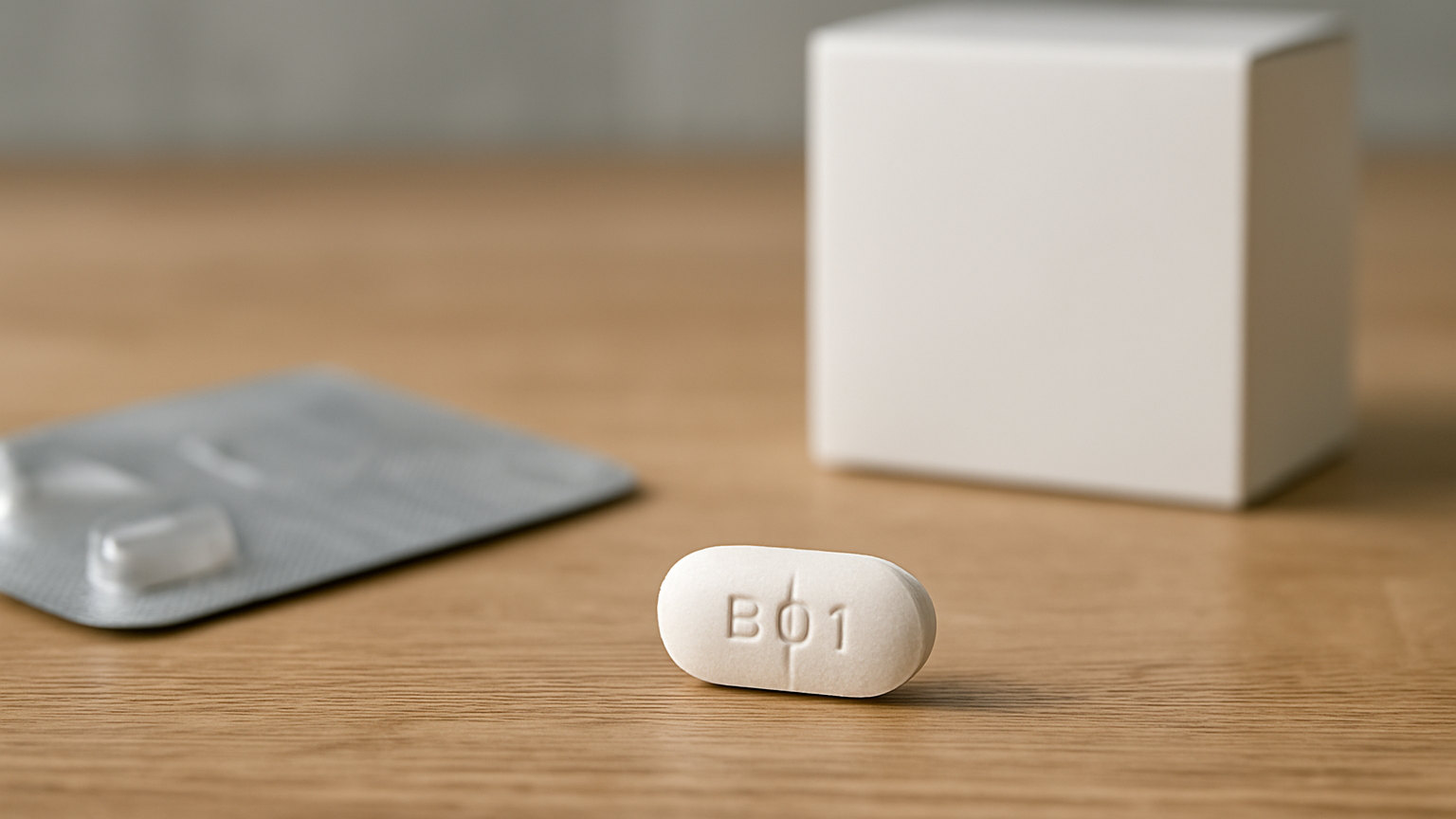
Methadone is a long-acting synthetic opioid used in opioid substitution treatment and, less often, for severe pain. Its defining property is pharmacokinetic: the half-life is long and varies enormously between individuals - from around a day to several days. That means methadone keeps accumulating for some days after starting or after any increase, and the pain relief wears off faster than the drug does. Both facts make the early weeks the most dangerous part of treatment.
Follow the plan your prescriber or drug service gave you. This guide contains no doses.
Why induction is the risky part
When methadone is started, the dose that feels inadequate on day one may be accumulating towards a dangerous level by day four or five.
Most deaths associated with methadone treatment happen in the first two weeks, before levels have stabilised.
That is why doses are increased slowly, why increases are spaced by several days, and why supervised consumption is usual at the start.
Do not top up with anything else because the dose feels too low. Adding heroin, other opioids, benzodiazepines or alcohol during induction is the pattern most often involved in those deaths.
Tell your keyworker if the dose is not holding you - that is a normal part of titration and there is a process for it.
Supervised consumption
Taking methadone under supervision at a pharmacy is standard at the start of treatment and during any period of instability.
It exists for two reasons: it confirms the dose is actually being taken, and it prevents diversion - methadone sold or given to someone without tolerance is lethal.
Take-home doses follow once treatment is stable, and they come with responsibility.
Take-home safety
Methadone is a leading cause of fatal poisoning in young children. The liquid looks like a soft drink, it is sweet, and a small amount kills.
Store it in a locked box, out of sight and reach, and never in a fridge door or on a kitchen surface.
Never give it to anyone else. Supplying it is a serious offence, and someone without opioid tolerance can die from a single dose.
Return unused methadone to the pharmacy. See keeping medicines away from children.
Heart rhythm
Methadone prolongs the QT interval in a dose-dependent way, and torsades de pointes has been reported.
An ECG is advised before starting at higher doses and during treatment, particularly with cardiac risk factors or other QT-prolonging medicines.
The risk rises where potassium or magnesium is low - see medicines that affect your heart rhythm and magnesium.
Report fainting or palpitations.
Interactions that cause withdrawal
Methadone is cleared by several liver enzymes, and enzyme inducers lower its levels substantially.
Rifampicin, carbamazepine, phenytoin, some HIV medicines and St John's wort can precipitate withdrawal in someone previously stable - which is frequently misread as the person using on top rather than as a drug interaction.
Conversely, inhibitors including some antifungals and macrolides raise levels and risk overdose - see clarithromycin and carbamazepine.
Tell any prescriber that you take methadone, and tell your drug service about any new medicine - see supplements that interfere with your medicines.
Overdose
Call 999 for someone unresponsive or hard to rouse, breathing slowly or noisily, or blue or grey around the lips. Put them in the recovery position and say what has been taken.
Naloxone reverses it - but methadone lasts far longer than naloxone, so the person can slip back after it wears off. Repeated doses and hospital observation are essential.
Anyone on methadone, and the people around them, should have naloxone available - see naloxone.
Other effects
Constipation begins immediately and does not settle - a laxative should be started alongside. See why medicines cause constipation.
Sweating, dry mouth, drowsiness and reduced libido are common. Methadone lowers testosterone in men, which is worth mentioning rather than enduring.
Dental problems are frequent - from dry mouth, the sugar content of some preparations, and neglected care. Sugar-free preparations exist, and a dental check is worth arranging. See high-fluoride toothpaste.
Driving
Methadone is on the list of specified drugs in the drug-driving law, with a defence for prescribed use taken as directed where driving is not impaired.
The DVLA must be informed about opioid dependence and treatment. See medicines and driving.
Stopping
Withdrawal from methadone is prolonged compared with shorter-acting opioids, and reduction is planned over months.
Tolerance falls quickly during any break, so restarting at a previous dose is dangerous - see coming off opioid painkillers.
Buprenorphine is the main alternative for substitution treatment, with a different safety profile.
The Medicines section covers more on how the main families of medicine work - Paracetamol: The Dose Limit That Matters is closely related to this one.


