Once a medicine has been dispensed and left the pharmacy, it cannot be reissued to anyone else - even if the box is unopened, the seal intact and the expiry date years away. The reason is not bureaucracy but chain of custody: nobody can verify how it has been stored, whether it has been tampered with, or whether it is what the label says. That objection feels unsatisfying when you are handing back a full box, and it is worth understanding properly, because the useful response is to reduce how much gets dispensed in the first place.
The storage problem
Medicines are guaranteed to work as specified only when stored as directed. A box that has spent a fortnight in a car, on a sunny windowsill or in a steamy bathroom may have degraded invisibly - a tablet that looks perfect can have lost potency.
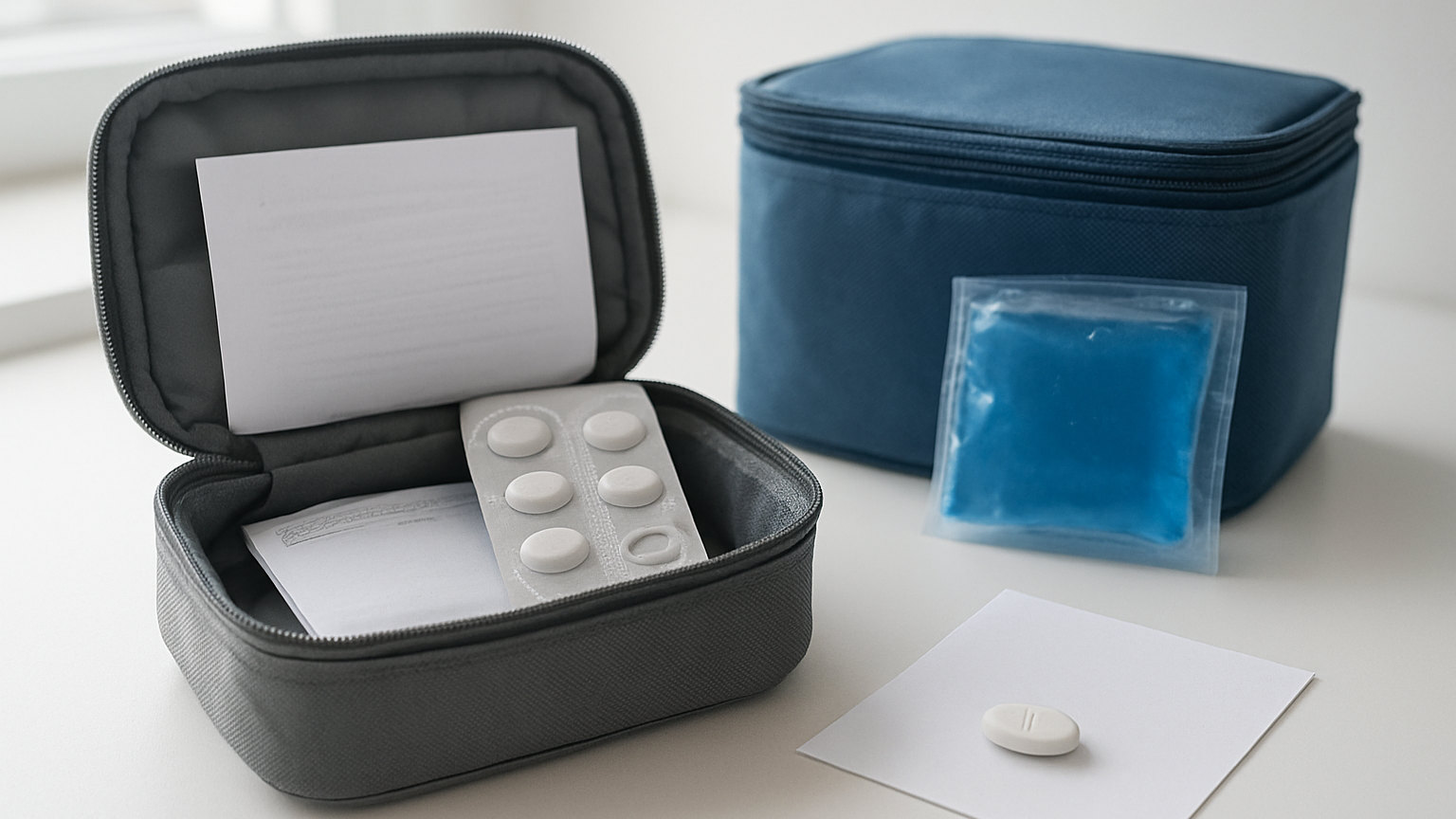
Refrigerated medicines are more clear-cut still. Insulin that has frozen or been left out too long is not safe to use, and there is no way to tell by looking. Our guides to where to keep your medicines and medicines in hot weather cover how easily this happens.
The pharmacy has no way to establish any of this, which is why the assumption has to be the worst case.
The tampering and identity problem
A returned pack cannot be confirmed as containing what the label says. Tablets can be swapped, packs refilled, and falsified products introduced. Regulatory systems including verification at the point of dispensing exist precisely to keep the supply chain sealed from manufacturer to patient.
Once a pack leaves that chain, it cannot re-enter it. The same logic applies to medicines bought abroad or online outside the regulated route, as our guide to checking an online pharmacy is legitimate explains.
What actually happens to returns
Returned medicines are stored securely and collected by a licensed waste contractor for high-temperature incineration, which destroys the active ingredients rather than allowing them into landfill or water.
Controlled drugs have additional record-keeping requirements, which is why it helps to say what you are bringing rather than leaving it unmentioned in a bag.
None of this costs you anything, and pharmacies accept returns from anyone - see our guide to leftover medicines.
Why it matters environmentally
Disposal through a pharmacy is the environmentally responsible route, not merely the legally required one. Sewage treatment is not designed to remove pharmaceutical residues, and traces of hormones, antibiotics, antidepressants and painkillers are routinely detected in rivers with documented effects on aquatic life.
Antibiotics entering the environment also contribute to resistance - our guide to antibiotic resistance covers the mechanism.
Inhalers deserve particular mention: the propellants in pressurised devices are potent greenhouse gases, so returning them rather than binning them makes a measurable difference.
What does reduce waste
Since nothing can be recovered after dispensing, everything useful happens before it:
- Order only what you need each month rather than ticking everything on the repeat slip.
- Check what you already have before ordering - a five-second look in the cupboard.
- Tell the practice and pharmacy when you stop something, so it comes off the list rather than continuing to be supplied.
- Watch managed repeat services, which sometimes reorder everything automatically - our guide to ordering repeats covers this.
- Ask for a medicines review annually. The cheapest and least wasteful item is the one you have stopped needing - see being on too many medicines.
- Speak up about side effects rather than quietly not taking something. A cupboard full of unopened boxes usually means a conversation that never happened.
What about unopened packs from a hospital stay?
Medicines dispensed to you during an admission and sent home with you belong to you and can be used as directed. Medicines left over on a ward stay within the hospital system and are handled under its own procedures.
What you should not do is add hospital-supplied boxes to your existing home stock without checking. Doses are frequently changed during an admission, and ending up with old and new strengths of the same drug in the cupboard is a recognised route to error - our guide to managing someone else's medicines covers reconciling lists after discharge.
The one thing not to do
Do not pass unused medicines to anyone else, however sensible it seems. Doses are chosen for an individual's weight, kidney function and other medicines, strengths and formulations differ, and supplying prescription-only medicines to another person is against the law regardless of intent.
Our guide to clearing out medicines after a death covers the situation where this comes up most often and most understandably.
Is any of it recovered?
Some outer cardboard packaging and paper leaflets can go into ordinary recycling once separated. Blister packs are recycled in some local schemes but not universally - check locally rather than assuming.
The medicines themselves are not recovered, and no UK scheme currently returns dispensed medicines to use. If that ever changes it will be because the storage and verification problems have been solved, not because the objection to waste has got louder.
The Usage section covers more on taking medicines day to day - Medicines and the Environment is closely related to this one.