Fluid is one of the least discussed parts of taking medicines, and it works in two directions. Some tablets need a decent amount of water simply to get down safely. And more importantly, several extremely common medicines become dangerous when you are dehydrated - which usually happens during a stomach upset, a heatwave or a fever, at exactly the moment nobody is thinking about their tablets.
Water when you swallow
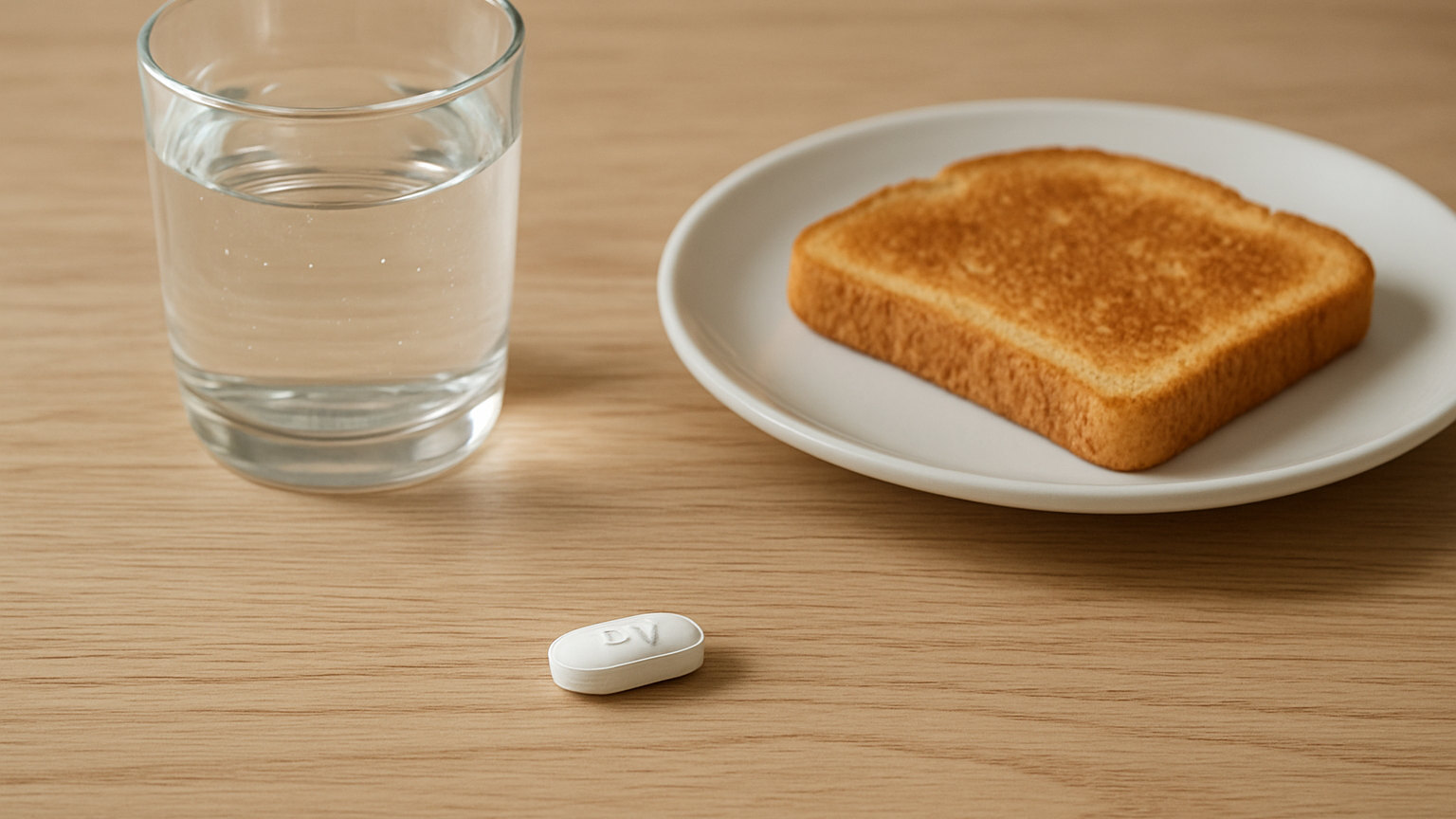
Take tablets and capsules with a full glass of water, sitting or standing upright, and stay upright for a few minutes afterwards.
That is not fussiness. Tablets taken with a sip while lying down can lodge in the oesophagus and cause ulceration.
The medicines most associated with this:
Bisphosphonates such as alendronate, where the instructions specify a full glass and remaining upright for a defined period. See alendronate.
Doxycycline and other tetracyclines - see doxycycline.
Potassium chloride tablets - see potassium chloride.
Anti-inflammatories and clindamycin.
Report pain on swallowing that persists for hours after taking a tablet.
The dehydration problem
This is the more serious half.
Several medicines depend on adequate kidney blood flow, and dehydration reduces it. The combination most often responsible for acute kidney injury is:
- An ACE inhibitor or ARB
- A diuretic
- An anti-inflammatory painkiller
Each is fine alone in a well-hydrated person. Together, during a vomiting illness or a heatwave, they are a recognised route to kidney failure.
That is what sick day rules exist for - pausing certain medicines during illness with vomiting, diarrhoea or fever, and restarting once you are eating and drinking normally.
Ask whether you have sick day rules. A great many people on these medicines have never been given any.
See sick day rules and medicines that affect your kidneys.
Lithium
The clearest single example of why fluid matters.
Lithium levels rise when you are dehydrated, and the margin between a therapeutic level and toxicity is narrow.
Vomiting, diarrhoea, fever, hot weather, heavy exercise and alcohol all raise the risk. So does a sudden change in salt intake, since the kidney handles lithium and sodium similarly.
Maintain a steady fluid and salt intake, and seek advice during any illness causing fluid loss.
Seek urgent help for coarse tremor, unsteadiness, slurred speech, vomiting, drowsiness or confusion.
See lithium.
Other medicines affected
SGLT2 inhibitors increase urine output and are stopped during significant illness, partly because of dehydration and partly because of ketoacidosis risk - see dapagliflozin.
Metformin is paused during illness causing dehydration.
Digoxin and theophylline both have narrow margins and are affected by changes in kidney function.
Diuretics themselves, where the effect of a dose in an already dry person can be marked.
Alpha blockers and other blood pressure medicines cause more postural hypotension when the circulating volume is low - which is why dizziness on standing is worse in hot weather.
Medicines that cause dehydration
Worth recognising the circularity.
Diuretics remove fluid deliberately. SGLT2 inhibitors increase urine output. Laxatives, particularly osmotic ones, draw water into the bowel and need adequate fluid to work properly - macrogol sachets are made up with water for that reason.
Anything causing vomiting or diarrhoea as a side effect does the same, and several antidepressants, opioids and antibiotics do.
See macrogol.
Where more fluid is not the answer
Important, because "drink plenty" is not universal advice.
People with heart failure, advanced kidney disease or liver disease may be on a deliberate fluid restriction, and drinking more can cause harm.
Low sodium caused by diuretics or SSRIs is worsened by drinking large volumes of water.
If you have been given a fluid target, follow it rather than general advice, and ask what to do during an illness - the answer may differ from everyone else's.
Fluid around a procedure
Fasting before an operation or a scan is another point where dehydration and medicines meet.
Modern guidance allows clear fluids until a couple of hours before most procedures, and unnecessary prolonged fasting causes harm. If you take medicines affected by dehydration, ask specifically what to do about them and about fluids rather than assuming nothing by mouth means nothing at all. See which medicines to stop before surgery.
Practical points
Weigh yourself daily if you have heart failure - it detects fluid shifts before symptoms.
Watch urine colour as a rough guide, with the caveat that several medicines discolour it.
Alcohol and caffeine both contribute mildly to fluid loss, and alcohol more so.
Older people feel thirst less reliably, so waiting to feel thirsty is not a good strategy after about seventy.
Seek help for not passing urine, marked dizziness on standing, confusion, or being unable to keep fluids down for more than a few hours.
More on taking medicines day to day in the Usage section, including Does Your Weight Change the Dose?.