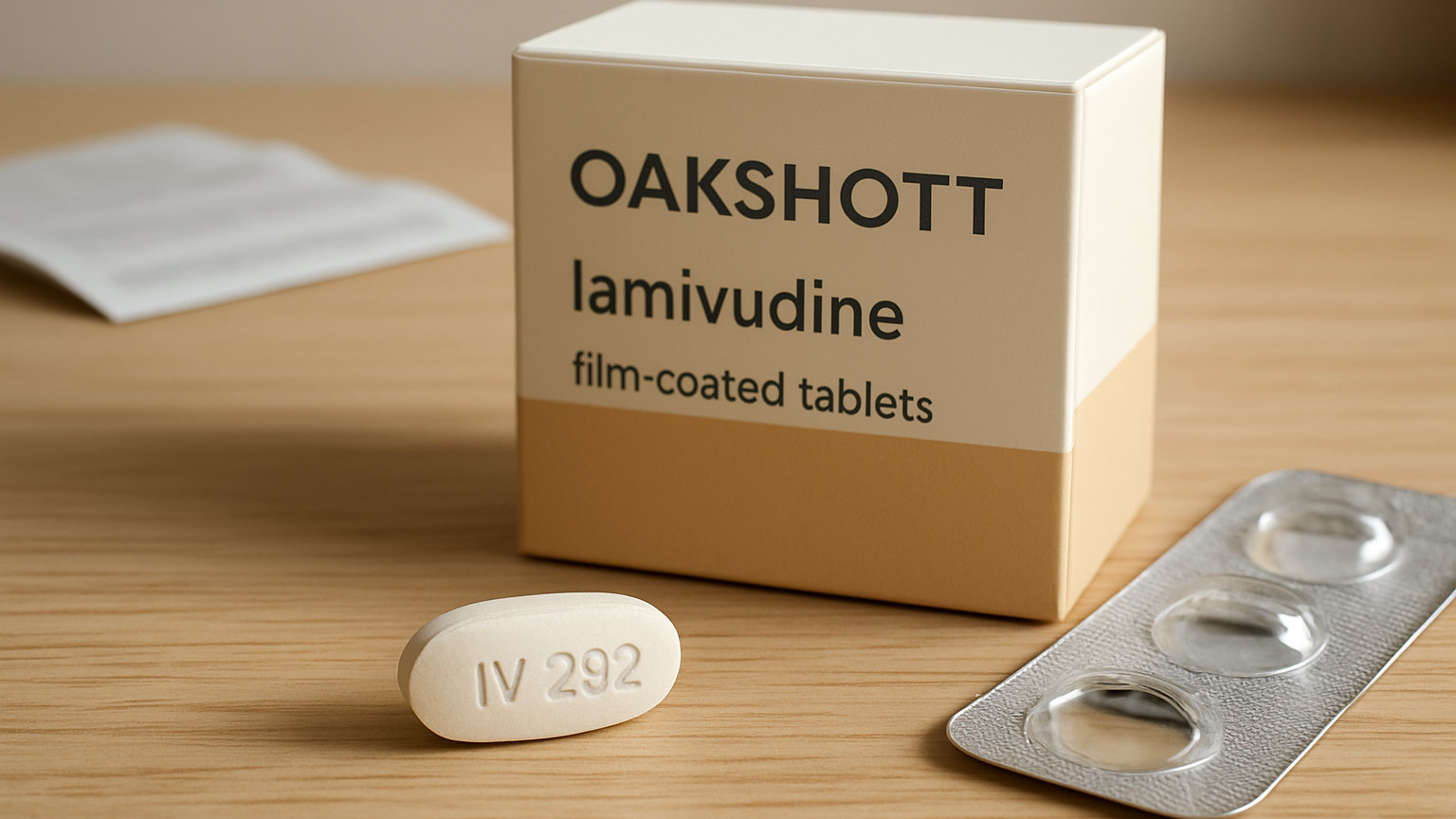
Lamivudine is a nucleoside reverse transcriptase inhibitor. It is used in HIV treatment, usually combined with other drugs in a single tablet, and separately for chronic hepatitis B. Being active against both is what makes it useful and what makes it dangerous in one specific way: a person with undiagnosed hepatitis B who takes lamivudine for HIV has their hepatitis suppressed as a side effect, and stopping it can then cause a severe flare.
Follow the plan your specialist gave you. This guide contains no doses.
The stopping flare
This is the point that matters most. Suppressing hepatitis B and then withdrawing the suppression allows the virus to rebound, and the immune response to that rebound can cause a severe hepatitis - occasionally leading to liver failure.
Consequences follow:
- Hepatitis B status is checked before starting HIV treatment containing lamivudine
- Do not stop lamivudine without specialist advice if you have hepatitis B
- Liver function is monitored for several months if it is ever discontinued
- Running out counts as stopping - see ordering repeats
Seek urgent advice for jaundice, dark urine, pale stools, persistent nausea or abdominal pain after any interruption. See medicines and your liver.
The same applies to emtricitabine and tenofovir - see emtricitabine and tenofovir.
Resistance in hepatitis B
Lamivudine used alone for hepatitis B has a low barrier to resistance - a substantial proportion of people develop resistant virus within a few years.
For that reason it has largely been replaced as first-line hepatitis B treatment by tenofovir or entecavir, which hold up far better. Lamivudine remains in use where those are unsuitable, and as part of HIV regimens where it is never given alone.
This is also why someone with both infections needs a regimen chosen to treat both properly - taking an HIV combination that happens to include lamivudine is not adequate hepatitis B treatment on its own.
In HIV treatment
Lamivudine is one of the best-tolerated antiretrovirals and has been in use for decades. It appears in many single-tablet regimens, commonly paired with dolutegravir or abacavir.
Two-drug regimens combining dolutegravir with lamivudine are now established for suitable patients, reducing the number of drugs taken long-term without loss of effectiveness - though they are not appropriate for everyone, particularly those with hepatitis B or certain resistance histories.
See dolutegravir and abacavir, where the genetic test before starting is essential.
Adherence
HIV replicates rapidly and mutates constantly. If drug levels drop, resistant variants are selected - and resistance is permanent.
Sustained undetectable viral load also means HIV cannot be passed on sexually, which is now well established rather than aspirational.
If you are struggling to take it consistently, say so. Long-acting injectable options and practical support both exist, and teams deal with this constantly.
Side effects
Lamivudine is well tolerated. Headache, nausea, diarrhoea, tiredness, cough and nasal symptoms are the common early effects and usually settle.
Rarer but recognised with this class: pancreatitis, and lactic acidosis with liver enlargement.
Seek urgent advice for severe abdominal pain radiating to the back, or for deep rapid breathing, unusual tiredness and abdominal discomfort.
Kidney function
Lamivudine is cleared by the kidneys, so the dose is reduced in impairment.
That matters because single-tablet combinations contain fixed doses and cannot be adjusted - so someone whose kidney function declines may need to switch to separate components. See medicines that affect your kidneys.
Interactions
Fewer than with many antiretrovirals. Trimethoprim, in co-trimoxazole, raises lamivudine levels.
It should not be combined with emtricitabine, which is closely related and does the same job - occasionally a risk when someone is on both an HIV regimen and PrEP-style medication from different sources.
Tell every prescriber you take HIV medication, and avoid St John's wort - see supplements that interfere with your medicines.
Pregnancy
Lamivudine has been used extensively in pregnancy, including to prevent mother-to-child transmission of HIV, and the safety record is reassuring.
Effective HIV treatment during pregnancy reduces the risk of passing the virus to the baby to well under one per cent. Do not stop treatment if you become pregnant - contact your HIV team, who will review the regimen rather than interrupting it. Antenatal HIV testing is offered routinely in the UK for exactly this reason.
Hepatitis B vaccination
If you have HIV and are not immune to hepatitis B, vaccination is recommended - and it works better when the immune system has recovered on treatment.
Inactivated vaccines are safe; live vaccines need discussion depending on your CD4 count. See infection risk on immune-suppressing medicines for the general principles around vaccination and immunity.
Related reading: Magnesium: Supplements, Deficiency and Interactions, with more on how the main families of medicine work in Medicines.