Fentanyl is a synthetic opioid roughly a hundred times more potent than morphine. Delivered through a skin patch it provides steady pain relief for three days, which suits stable severe pain - in cancer, in palliative care, and in some long-term conditions where swallowing is difficult. Almost everything that goes wrong with fentanyl patches comes down to three things: who they are started in, heat, and what happens to the used patch.
Follow the instructions given by your prescriber. This guide contains no doses.
Never in someone opioid-naive
Fentanyl patches are licensed only for people whose pain is stable and who are already tolerant to opioids - meaning they have been taking a regular opioid for some time.
Applying one to someone who has not been on opioids can cause fatal respiratory depression, and deaths have occurred exactly that way.
They are also unsuitable for acute or unstable pain, because the dose cannot be adjusted quickly - it takes a day for a change to take effect and longer to wear off.
See morphine and oxycodone, including why converting between opioids is not simple arithmetic.
Heat increases absorption
The patch releases fentanyl into warmed skin faster. Raising skin temperature can substantially increase the dose delivered, and that has caused overdoses and deaths.
Avoid:
- Hot baths, saunas, hot tubs and sunbeds
- Electric blankets, heat pads and hot water bottles over or near the patch
- Prolonged direct sun on the patch
- Strenuous exercise that raises body temperature substantially
A fever does the same thing. If you develop a high temperature, contact your prescriber - the dose may need reviewing while you are unwell.
The slow start and the long tail
A patch takes twelve to twenty-four hours to reach useful levels. Pain relief in the meantime comes from the medicine you were already taking, or from a breakthrough dose.
After removal, a depot of drug remains in the skin, and levels fall only slowly over a day or more.
That matters if a patch is stopped because of side effects - the effect continues after it comes off - and it matters when switching to another opioid, since the overlap can cause overdose.
Applying it
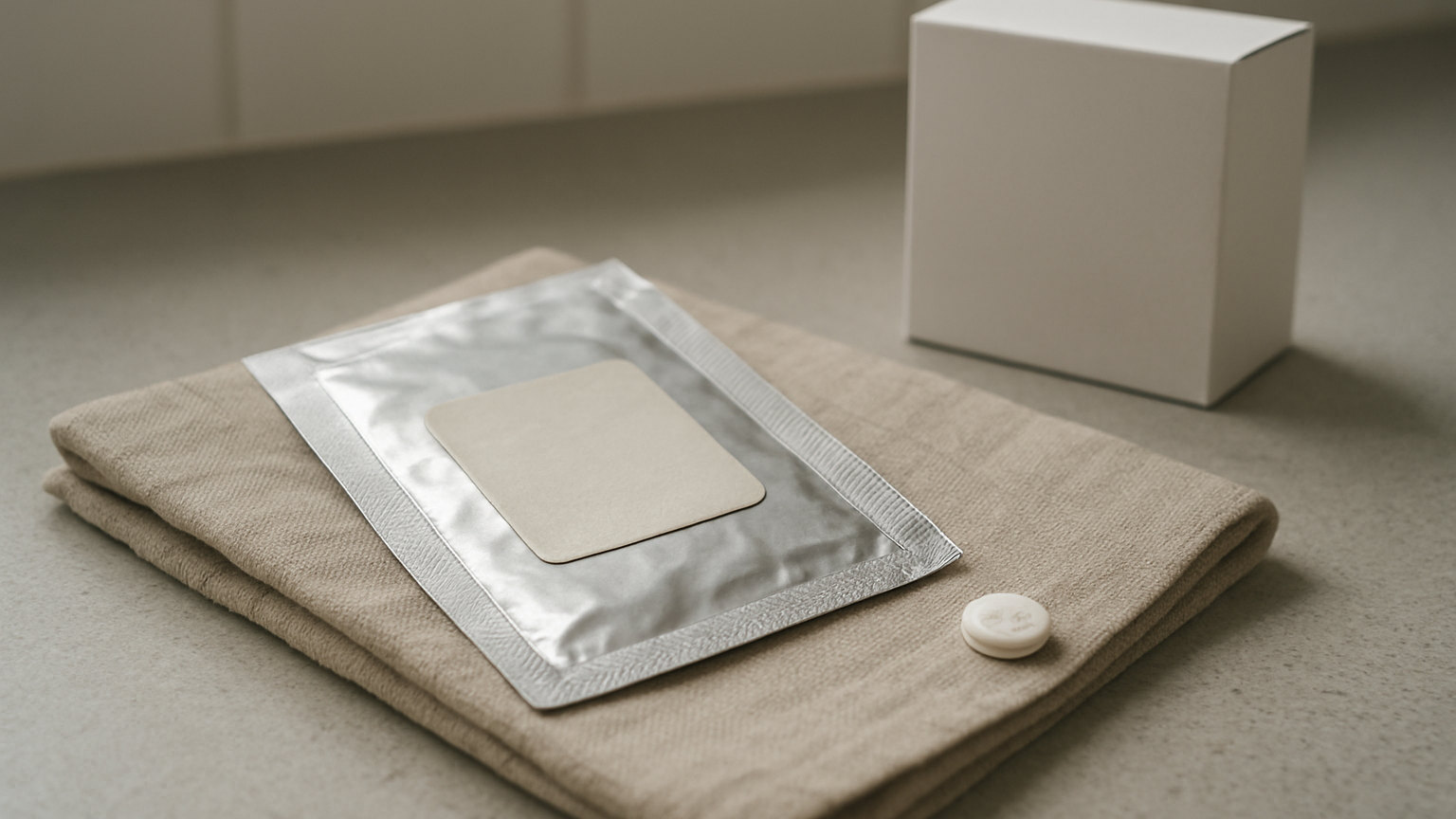
Apply to clean, dry, unbroken, hairless skin - the upper back, chest or outer upper arm. Clip hair rather than shaving, and do not use soap, oils or lotions on the site.
Press it firmly for around thirty seconds.
Rotate the site each time, and do not reuse the same area for several days.
Remove the old patch before applying a new one. Forgetting to, and wearing two, is a recognised cause of overdose - keep a written record or mark a calendar.
Do not cut a patch. Cutting a reservoir patch destroys its rate control entirely. Even matrix patches should not be cut.
See how to use and rotate patches.
Used patches are dangerous
A used patch still contains a substantial amount of fentanyl - enough to kill a child or a pet.
Deaths have occurred from children finding discarded patches, and from patches falling off in bed and sticking to someone else.
Fold the used patch sticky sides together and return it to a pharmacy, or dispose of it as instructed - never loose in a household bin, and never where a child or animal could reach it.
Check daily that the patch is still in place, particularly overnight and after bathing.
See keeping medicines away from children and why returned medicines cannot be reused.
Overdose
Call 999 for someone unresponsive or hard to rouse, breathing slowly or noisily, or blue or grey around the lips. Remove the patch, put them in the recovery position, and say what has been taken.
Naloxone reverses it but wears off faster than fentanyl in the skin, so repeated doses and an ambulance are both needed - see naloxone.
Combining with benzodiazepines, gabapentinoids or alcohol is the pattern most often involved in opioid deaths - see diazepam.
Constipation and other effects
Constipation begins immediately and does not settle with time. A laxative should be started alongside the patch - see why medicines cause constipation.
Nausea and drowsiness usually settle over days. Skin reactions at the site are common.
Interactions matter: strong CYP3A4 inhibitors including clarithromycin and some antifungals raise fentanyl levels - see clarithromycin.
Practical points
Fentanyl is a Schedule 2 controlled drug - prescriptions have limited validity and travel requires paperwork. See travelling with controlled drugs.
Tell any clinician treating you that you are wearing a patch - it is easily missed in an emergency.
The Medicines section covers more on how the main families of medicine work - Diclofenac: Why the Rules Changed is closely related to this one.