Opening a pharmacy bag to find a box printed in Greek or Polish, with an English label stuck over part of it, is understandably unsettling - particularly for anyone who has read about falsified medicines. In most cases this is a parallel import, which is entirely legal, licensed and regulated. There are ways to tell the difference between that and something that should worry you.
What a parallel import is
Medicine prices vary between countries. Where a product is cheaper elsewhere in Europe, a licensed distributor may buy it there and supply it in the UK.
The medicine itself is the same product from the same manufacturer. What differs is the packaging and the market it was originally intended for.
The importer must hold a parallel import licence, must relabel the pack in English, and must provide an English patient information leaflet.
The product is assessed as equivalent to the UK version before the licence is granted.
It is a normal part of medicine supply, and it also helps during shortages - imported equivalents are one of the tools used when a UK product is unavailable.
See when a medicine is out of stock.
What you should see
A legitimate parallel import will have:
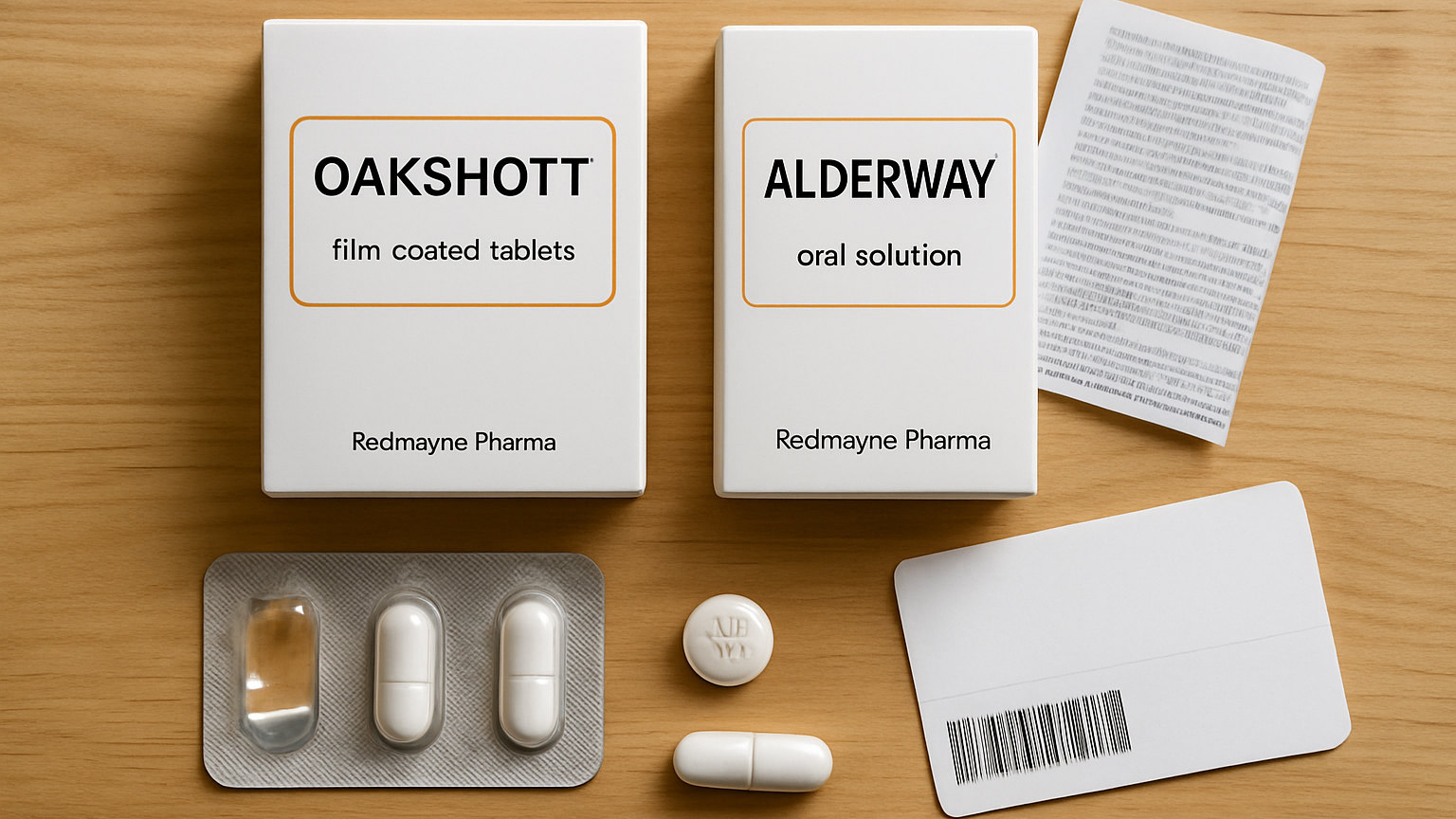
- An English label giving the medicine name, strength and form
- The importer's name and licence number on the pack
- An English patient information leaflet inside
- A pharmacy dispensing label with your name and directions
- Intact tamper-evident seals
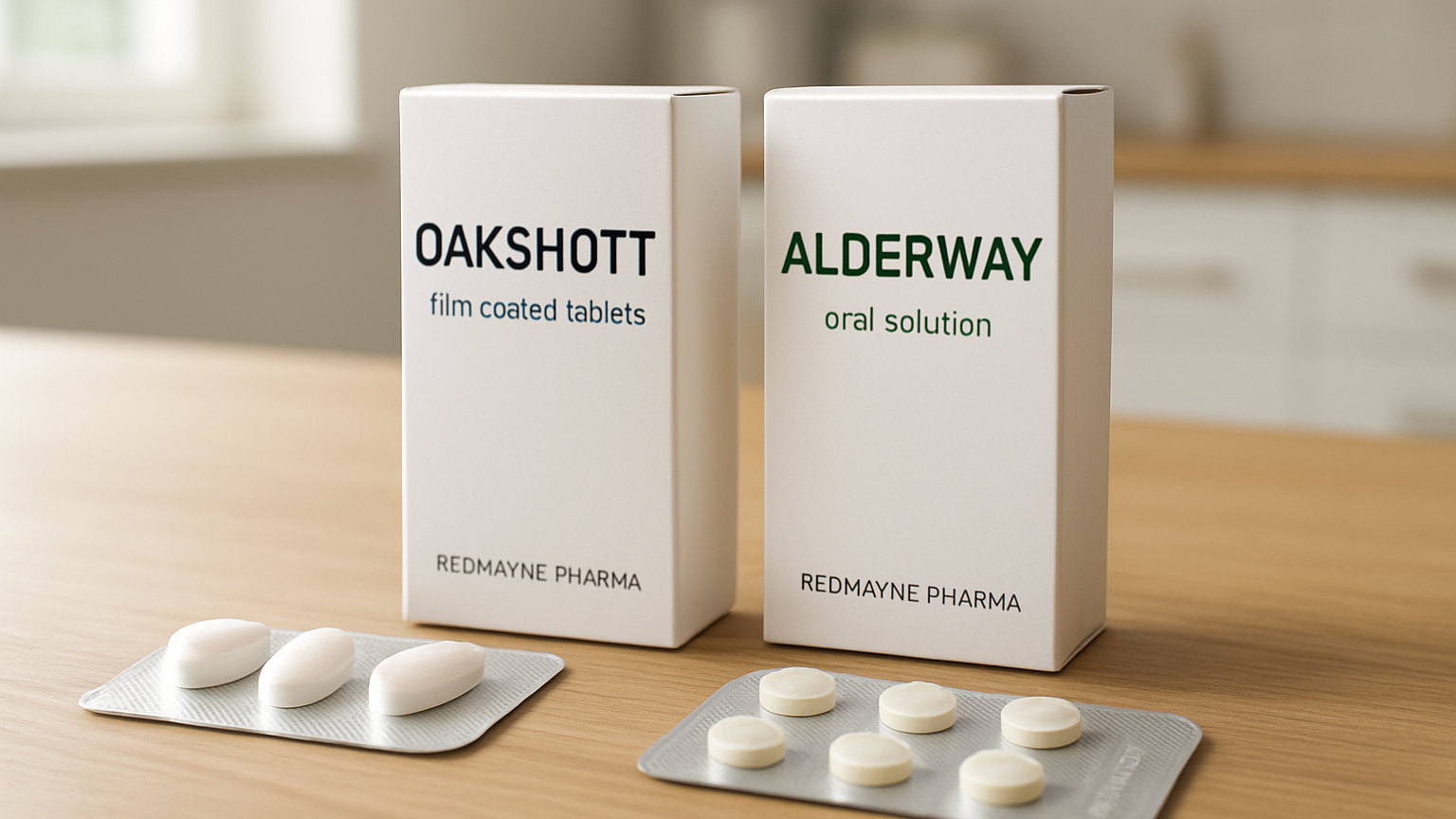
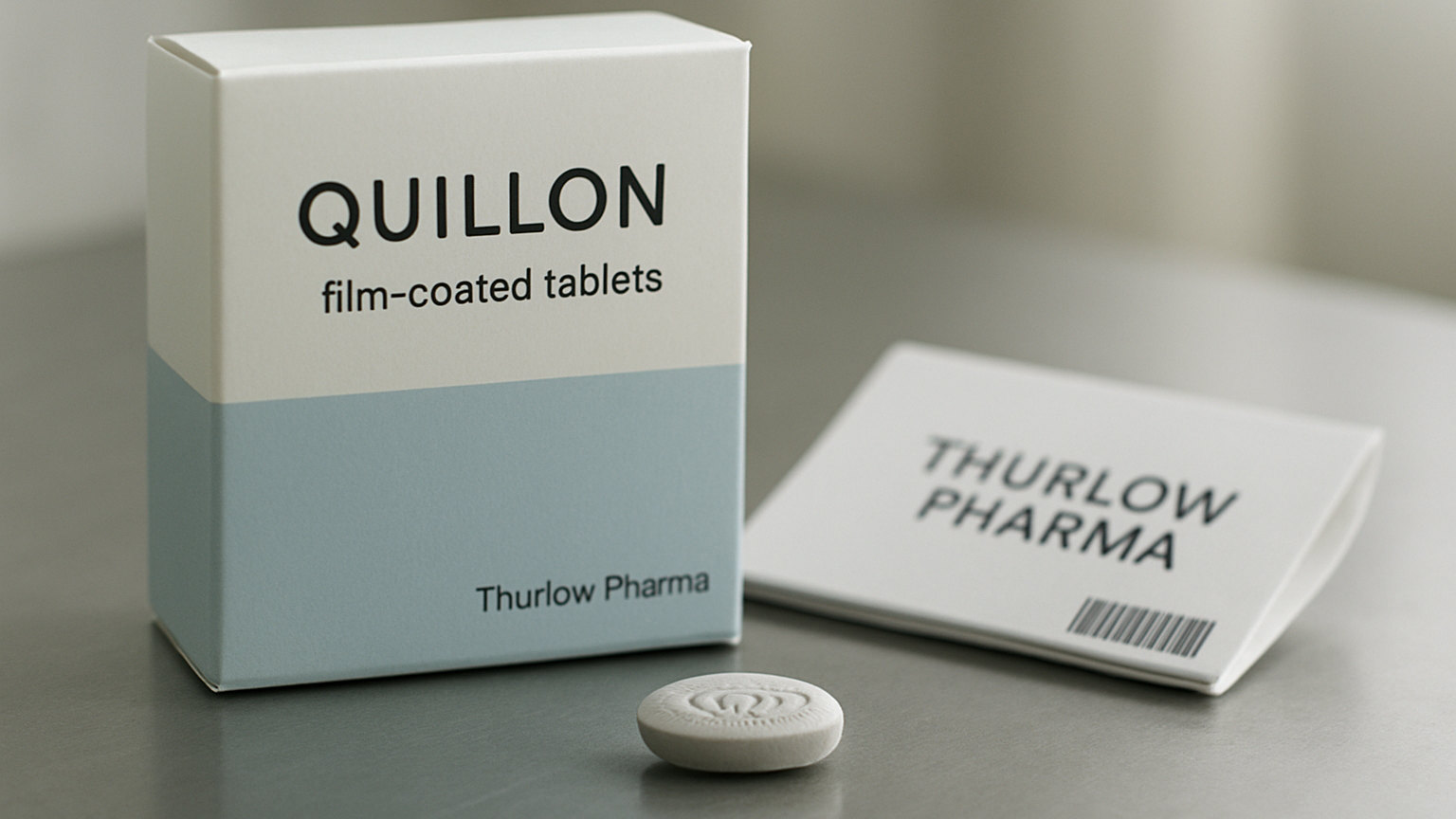
The original foreign text will still be visible around the English labelling, and the brand name may differ from the UK one.
If the leaflet is not in English, ask for one - you are entitled to it, and the pharmacy can print one.
What should worry you
The distinction matters, because falsified medicines do exist.
Concerning signs: no English labelling at all; no importer details; broken or missing seals; spelling errors; poor print quality; missing batch number or expiry; tablets that look different from the description; and packaging that arrived direct to you from an overseas seller rather than through a pharmacy.
That last point is the clearest test. A parallel import reaches you through a registered UK pharmacy with a dispensing label on it. A package posted from abroad after an online purchase has bypassed every check there is.
See buying medicines through social media and reporting a faulty or fake medicine.
The practical problems
Parallel imports are safe, and they do cause some genuine inconvenience worth flagging.
Appearance changes. The tablets may differ in colour, shape and markings from what you are used to, which is unsettling and makes checking harder.
The name may differ. The brand used in another country can be entirely different, so the box may not match what your repeat list says.
Devices may vary. With inhalers and injection pens, small differences in the device matter more than they would with a tablet - ask to be shown it rather than assuming it works identically.
Packaging text other than the English label remains foreign, which is confusing if you are checking ingredients or storage.
See why your medicine looks different.
Where it matters more
For most medicines, a parallel import is unremarkable.
For the small group where the exact product matters - certain antiepileptics, lithium, theophylline, modified-release preparations, inhalers and biologics - any change of product is a prescriber decision rather than a substitution.
If you are on one of those and receive unfamiliar packaging, query it before taking it.
See switching between manufacturers and why some medicines are prescribed by brand.
What to do when it arrives
Check the English label for the drug name, strength and form, and check it matches what you expect.
Check the dispensing label for your name and the directions.
Ask the pharmacist to confirm it is the same as your usual medicine and to explain any difference in appearance. They will have seen it before.
Ask for the English leaflet if one is not enclosed.
If something does not add up, do not take it - go back or telephone.
See if you think your medicine is wrong.
Why the price differences exist
Medicine prices are negotiated country by country, so the same product from the same factory can cost several times more in one market than another.
Parallel importing exploits that gap legally, and the saving goes to the NHS rather than to you - your prescription charge is the same either way. It is one of the mechanisms keeping the drugs bill manageable, which is why it is encouraged rather than merely tolerated. See prescription charges across the UK.
Reporting a concern
Suspected falsified medicines and packaging defects are reported to the MHRA, and the pharmacy that supplied it should be told first - they can quarantine stock and check the batch.
Keep the packaging. The batch number is what allows a problem to be traced.
What the Letters After a Medicine Name Mean covers a related point, and the Prescriptions section has the rest of these guides.