A new medicine is protected by patent for a defined period, during which only the originator can sell it. When that protection ends, other manufacturers enter, prices fall - frequently dramatically - and the tablets in your box start changing appearance from month to month. Understanding the mechanism explains most of what people find unsettling about generic medicines.
The sequence
During patent protection there is one manufacturer, one price, and one appearance.
On expiry, generic manufacturers enter. They must demonstrate the same active ingredient in the same amount and bioequivalence - blood levels within a defined range of the original.
Competition then drives the price down, sometimes to a small fraction of the original.
The NHS switches to generic prescribing wherever it is clinically appropriate, which is why a medicine that was branded for years suddenly arrives under its chemical name.
See how medicines get their names.
Why the tablets keep changing
Once several manufacturers supply the same generic, pharmacies buy from whoever has stock at a reasonable price - and that changes constantly.
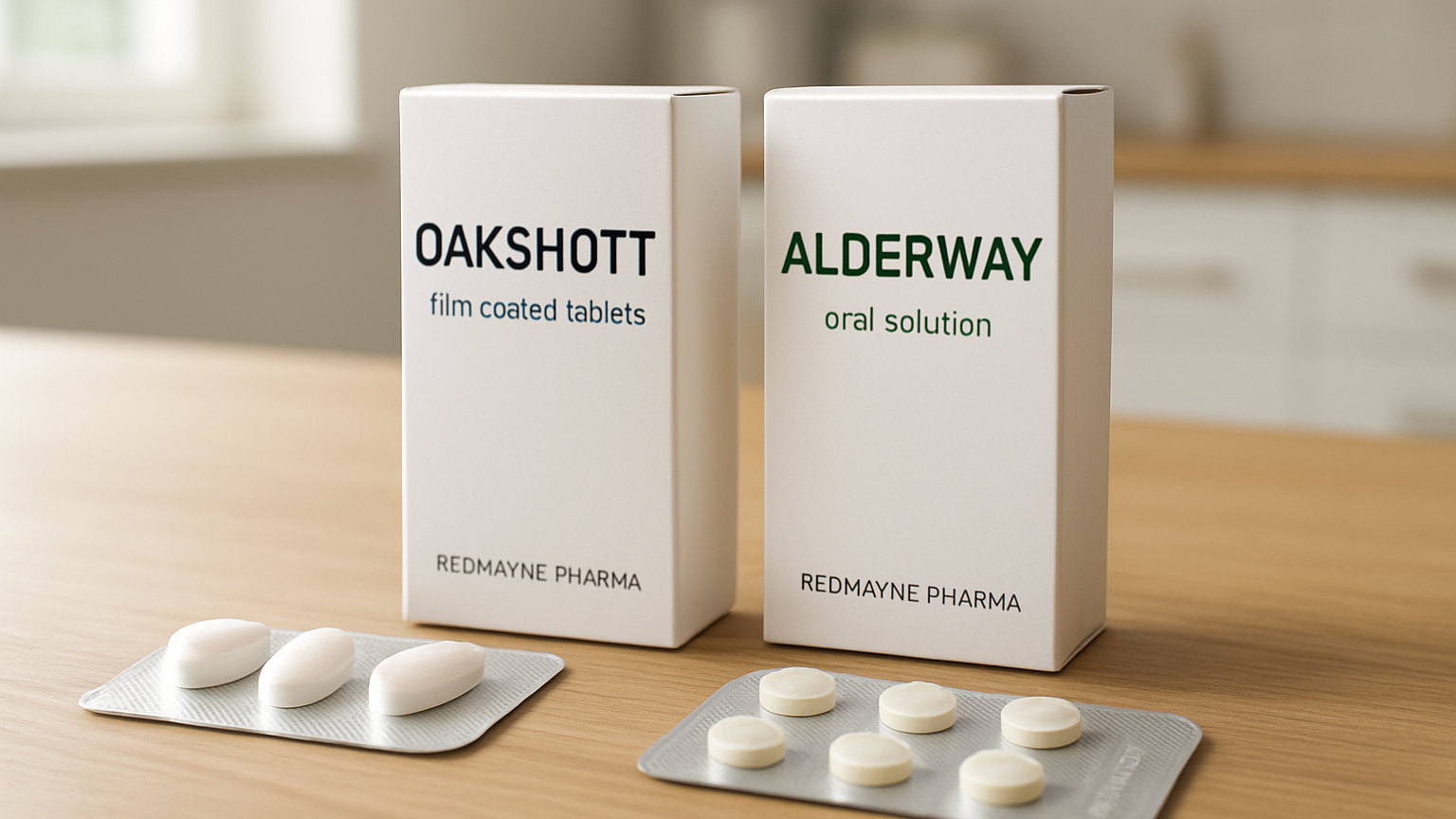
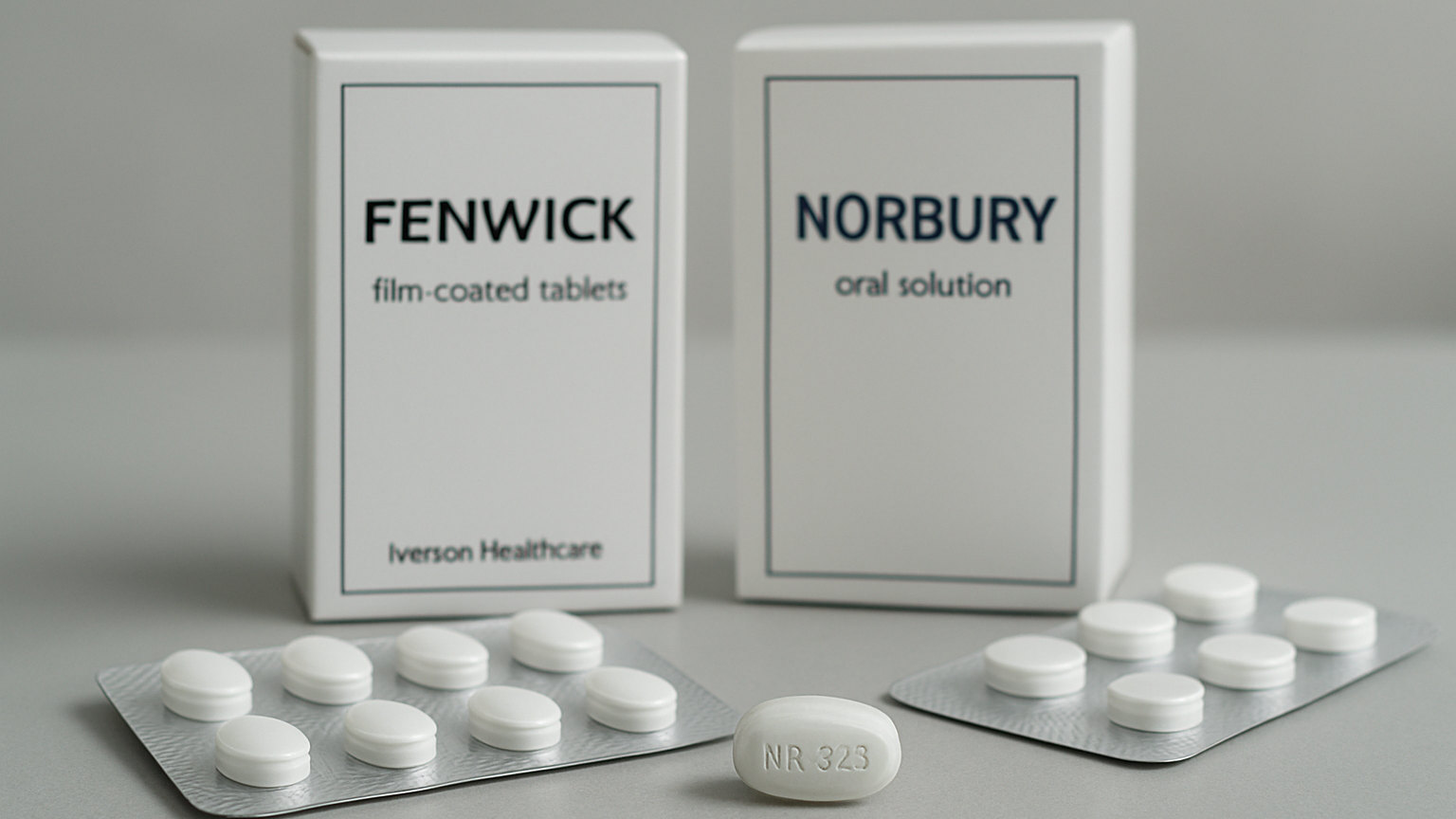
What differs between them is appearance, fillers and coatings. The active ingredient does not.
So your metformin can be round and white one month and oval and beige the next while doing precisely the same thing.
It is unsettling, it makes checking harder, and it is not a sign anything is wrong - though it is worth querying, because it is also what a dispensing error looks like.
See why your medicine looks different and switching between manufacturers.
Where the brand still matters
Generic substitution is fine for the great majority of medicines, and not for a specific list.
Narrow therapeutic index - lithium and theophylline, where small differences in absorption matter clinically.
Modified-release preparations, where different manufacturers use different release technologies producing different profiles from the same nominal dose.
Devices - inhalers and injection pens, where the drug may be identical while the technique differs completely.
Certain antiepileptics, which the MHRA places in three categories determining whether switching is acceptable.
These are prescribed by brand for exactly that reason.
See why some medicines are prescribed by brand.
Biologics work differently
Biological medicines are made in living cells and cannot be copied exactly, so the equivalent of a generic is a biosimilar - highly similar rather than identical, approved on evidence of equivalent effect.
Biosimilars have reduced the cost of several major treatments substantially, which has widened access.
What usually changes at a switch is the device rather than the molecule - different pens have different mechanisms, dose increments and needle covers, and some contain citrate buffer while others do not, which affects stinging.
Ask to be shown the new device.
See biosimilars explained and when your inhaler or device changes.
Why some medicines stay expensive
Patent expiry does not always produce cheap generics.
Where the market is small - a rare disease - no manufacturer may think it worth entering.
Where manufacturing is complex, few can do it.
And where only one or two manufacturers end up supplying a cheap generic, the price can rise again, because competition has collapsed rather than intensified.
That last situation also creates fragility: a single plant problem removes a large share of supply, which is one of the main causes of shortages.
See why medicine shortages happen and why medicines get discontinued.
What it changes for you
Usually nothing clinically. Practically:
Your prescription charge is the same either way - it is a flat fee per item, not a price. The saving goes to the NHS.
It may become available over the counter, since reclassification frequently follows a long safety record.
A treatment previously restricted on cost grounds may become routinely available, because the value calculation changes when the price collapses.
See what you are actually paying for and when a medicine changes category.
The nocebo effect
Worth being honest about.
People told they have been switched to a generic report more side effects than those not told, even when the product is identical.
That does not mean symptoms are imagined - expectation genuinely influences experience.
If you feel worse after a switch, report it and have it assessed rather than assuming either that it must be the tablet or that it cannot be.
Excipients occasionally matter
Sometimes what changes is not the drug but what surrounds it.
Lactose, gluten, soya, gelatine and dyes differ between manufacturers, which matters for allergies, coeliac disease and dietary or religious requirements.
If this applies to you, ask for the preference to be recorded so it is checked each time.
See hidden ingredients in medicines and medicines and vegetarian or vegan diets.
The Prescriptions section covers more on prescriptions and pharmacy services - Tablet Markings and Identifying a Tablet is closely related to this one.