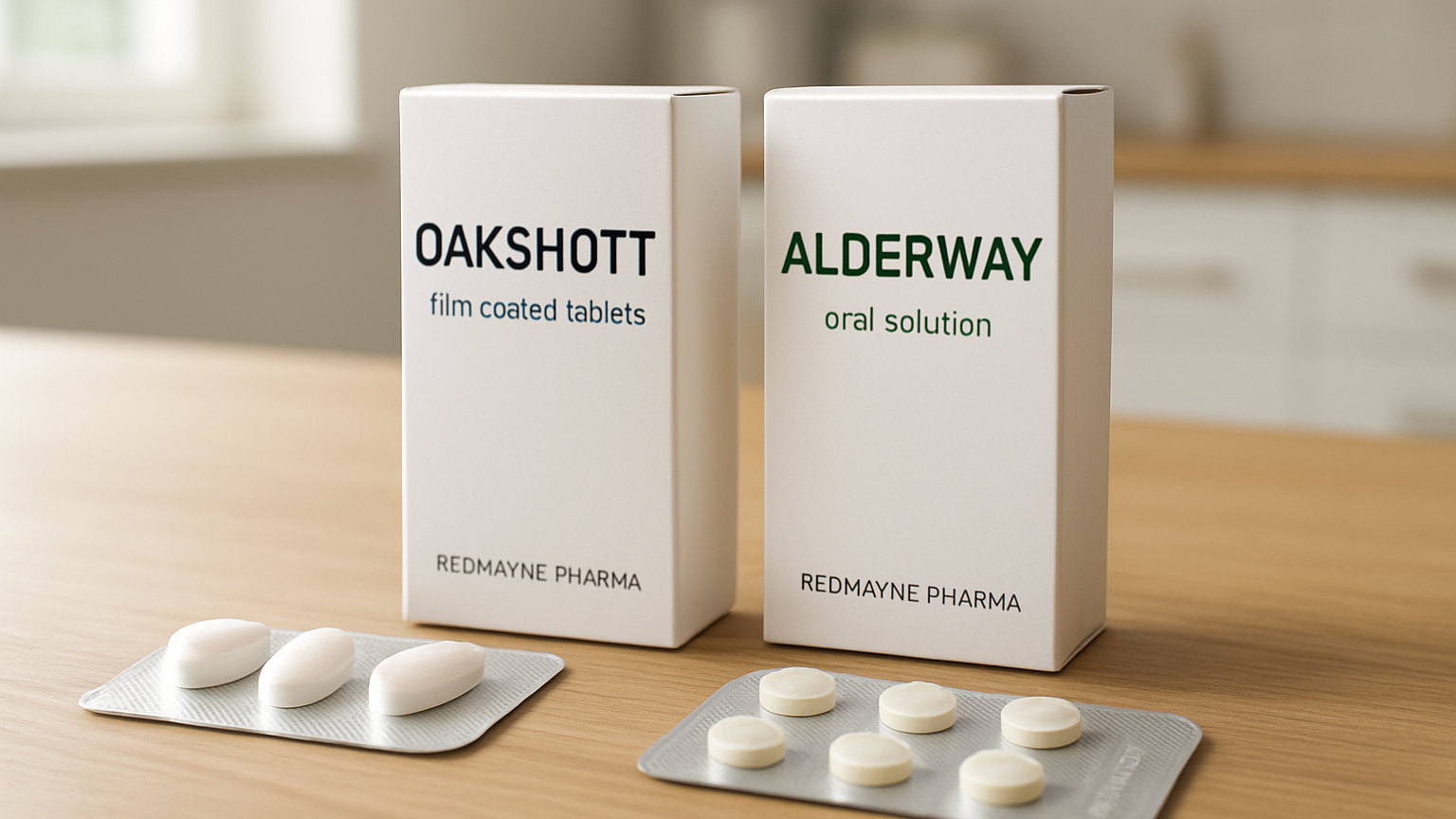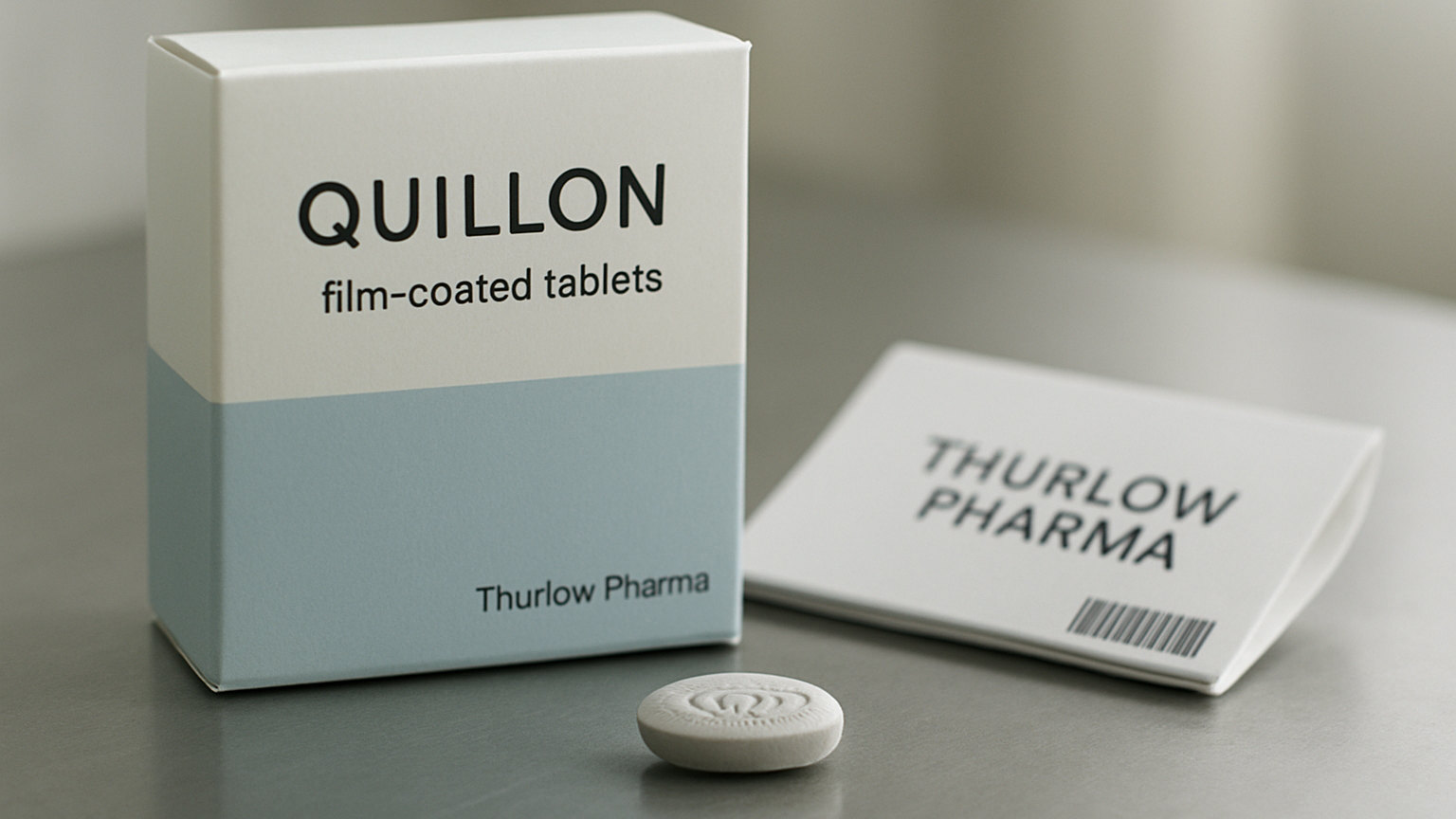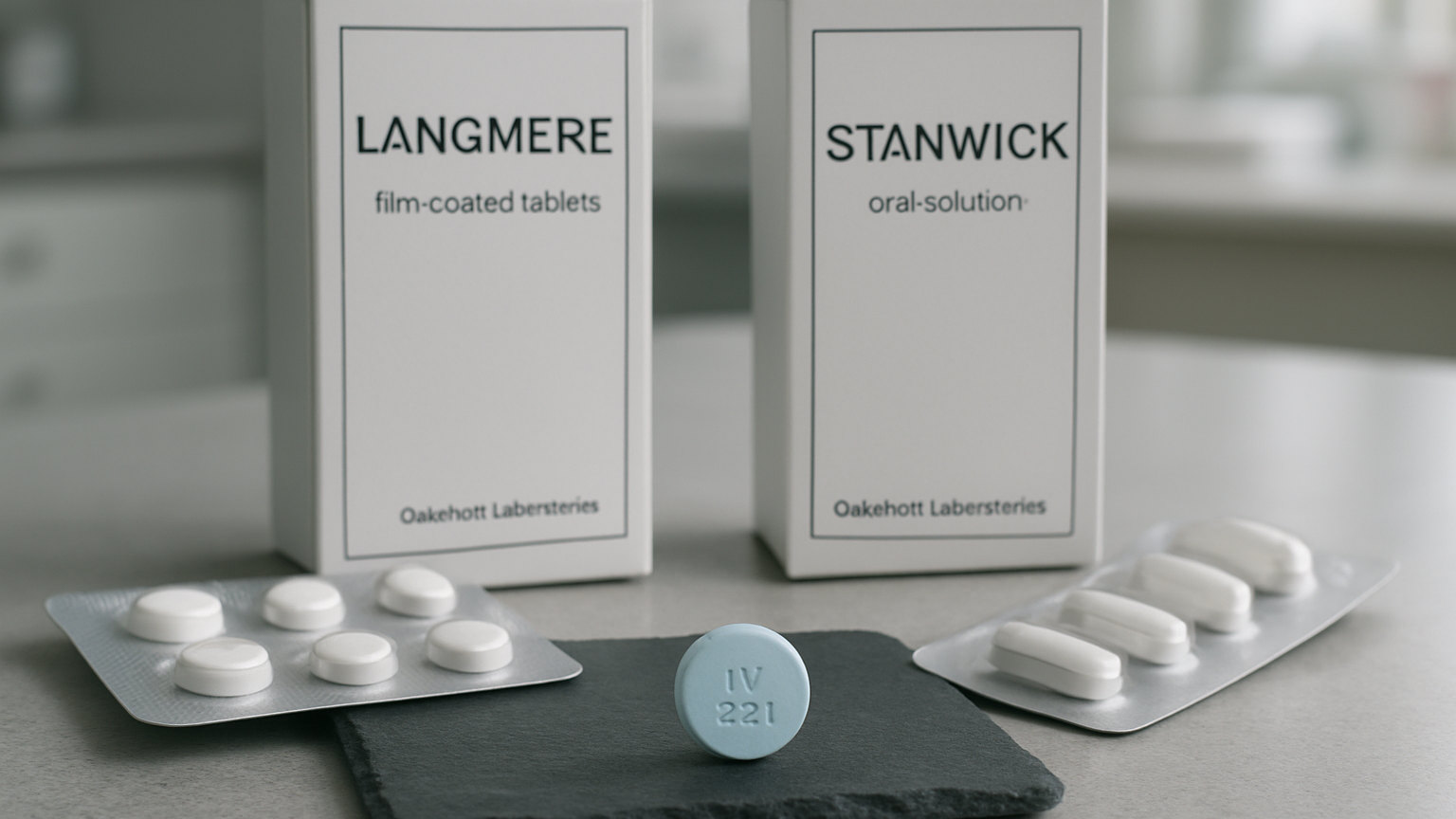
Tablets carry letters, numbers, symbols and score lines, and it is reasonable to assume these constitute an identification system. They partly do. But the markings are not standardised across manufacturers, UK products do not follow the American imprint coding that most online identifiers are built on, and quite different drugs can look near-identical. Markings narrow things down; they do not confirm identity.
What the markings actually are
Letters and numbers are usually a manufacturer's code. They may indicate the company, the product, the strength, or a combination - and the convention differs between companies.
A logo or symbol identifies the manufacturer.
A number alone frequently indicates strength, and frequently does not.
Colour is not standardised. The habit of calling an inhaler "the brown one" or a tablet "the little blue one" is understandable and unreliable - colours differ between manufacturers and change when the pharmacy's supplier changes.
Generic manufacturers are not required to make their products resemble the originator or each other, which is why appearance varies so much.
See why your medicine looks different.
Score lines
A score line indicates where a tablet can be broken if splitting is appropriate for that product - it does not mean splitting is safe.
Some tablets carry a score line purely as a manufacturing or identification feature, and the leaflet will say whether halving is permitted.
Modified-release and enteric-coated tablets must never be split whatever markings they carry - crushing or halving a modified-release tablet releases a whole day's dose at once, which with opioids and some heart medicines can be fatal.
Where halving is permitted, a tablet splitter is considerably more accurate than doing it by hand.
See cutting and crushing tablets and what the letters after a medicine name mean.
Why online identifiers mislead
Most tablet identification websites are built around the American system, where imprint codes are registered and searchable.
The UK has no equivalent public database, so a search for a UK tablet either returns nothing or returns a confident American match that is wrong.
Image-matching tools have the same problem, compounded by the fact that many tablets are plain white rounds with a single letter.
A plausible-looking result is not identification.
Ask a pharmacist instead
Pharmacists have access to manufacturer information and identification resources that are not public, and they see these products daily.
Even so, they will usually decline to confirm an identity from appearance alone for anything that matters, and that caution is correct rather than unhelpful.
Bring it in, along with any packaging you have, however unrelated it seems.
Never swallow anything you cannot positively identify, and do not take one prescribed for someone else.
See unidentified medicines in the home.
When appearance changes
Different-looking tablets are usually a change of manufacturer and entirely benign - pharmacies buy from whichever supplier has stock.
But it is also what a dispensing error looks like, so it is worth a question rather than an assumption.
Check the strength as well as the name, since that is the change most likely to matter and least likely to be noticed.
For a specific group - certain antiepileptics, lithium, theophylline, modified-release products, inhalers and biologics - a manufacturer change genuinely matters and needs querying.
Foreign packaging with an English sticker is usually a legitimate parallel import rather than a counterfeit.
See switching between manufacturers and parallel imports and foreign packaging.
Falsified medicines
Appearance is also how people try to judge whether something bought online is genuine, and it is a poor test - falsified packaging is frequently convincing.
Better indicators are the route rather than the tablet: a medicine that reached you through a registered UK pharmacy with a dispensing label is legitimate; one posted from an overseas seller after an online purchase has bypassed every check.
Keep packaging and report suspected falsified product to the MHRA.
See reporting a faulty or fake medicine.
Liquids, creams and devices
The identification problem is worse outside tablets.
A decanted liquid, an unlabelled cream in a pot, or an inhaler whose label has worn off cannot be identified by appearance at all - inhaler colours are not standardised and change between manufacturers, which is why describing one as "the brown one" is unreliable. Keep the carton, and photograph the label if it is wearing. See when your inhaler or device changes.
Practical habits
Keep medicines in original packaging, which carries the name, strength, expiry and batch number.
Do not decant into unlabelled pots.
Record the full name including any letters on your medicines list - "metoprolol" alone does not say which form you take.
Photograph a new tablet when the appearance changes, so you have a reference next time.
The Prescriptions section covers more on prescriptions and pharmacy services - When a Medicine Changes Category is closely related to this one.