A growing amount of cancer treatment and hormone therapy is taken at home as tablets. These are cytotoxic or otherwise hazardous - active enough that handling them, rather than taking them, carries its own risk. That changes how they are stored, handled and disposed of, and the precautions are frequently explained once at the hospital and never written down.
Which medicines
Oral chemotherapy - capecitabine, methotrexate at cancer doses, temozolomide, hydroxycarbamide, cyclophosphamide and others.
Some hormone treatments, including certain preparations used in prostate and breast cancer.
Immunosuppressants such as mycophenolate, which carries specific handling advice because of its effects in pregnancy.
Some antivirals and a few other agents.
If you are unsure whether yours falls into this group, ask the hospital pharmacist - it will be flagged on the supply, and they can tell you in a sentence.
Handling
Do not crush, split or open these tablets or capsules. Crushing creates dust that can be inhaled or settle on surfaces. If swallowing is difficult, ask - there is frequently a licensed alternative form, and improvising is not safe here.
Wear disposable gloves if you are handling them for someone else, and wash your hands afterwards either way.
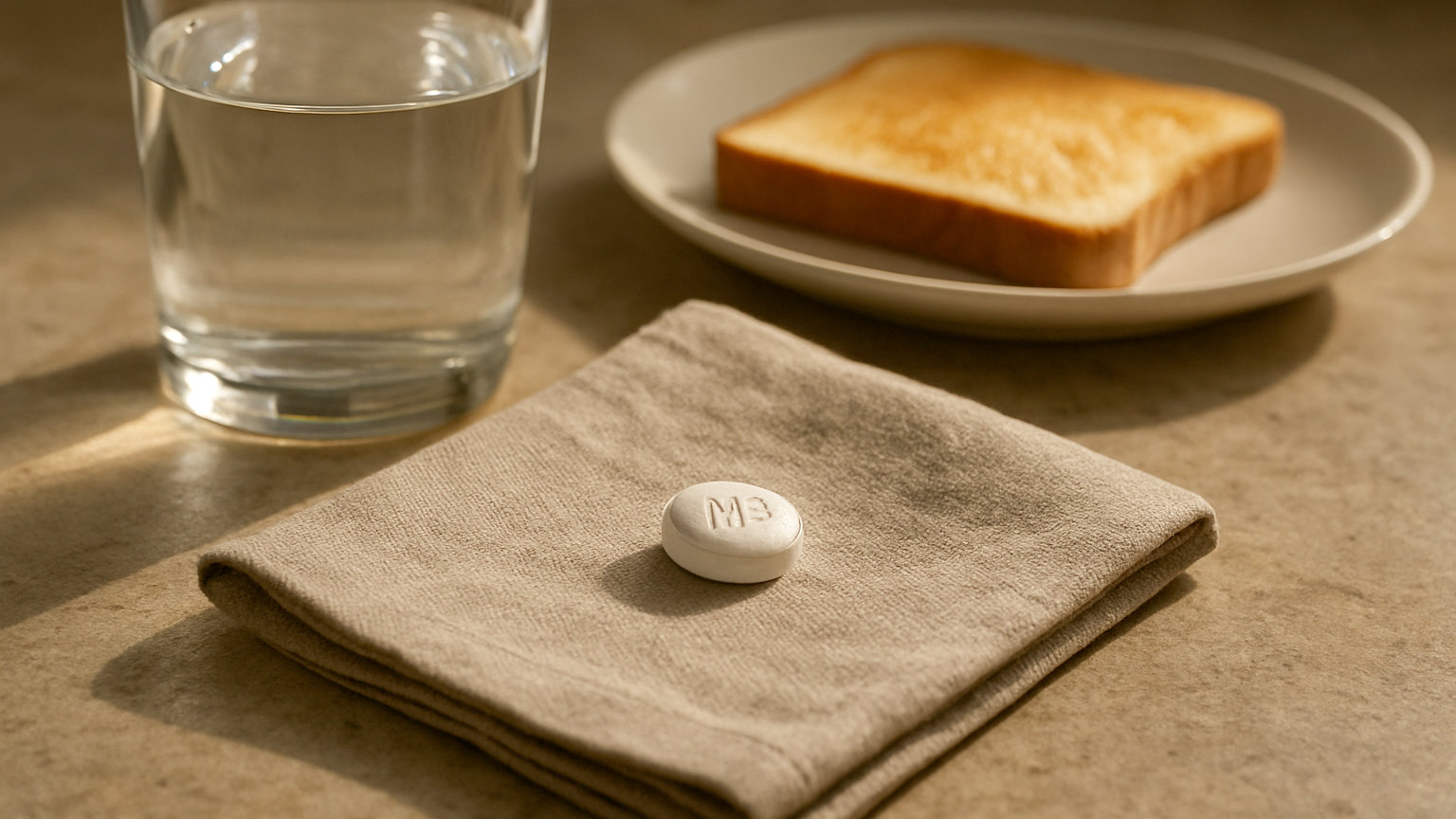
Take tablets straight from the blister rather than tipping them into your hand or a dish.
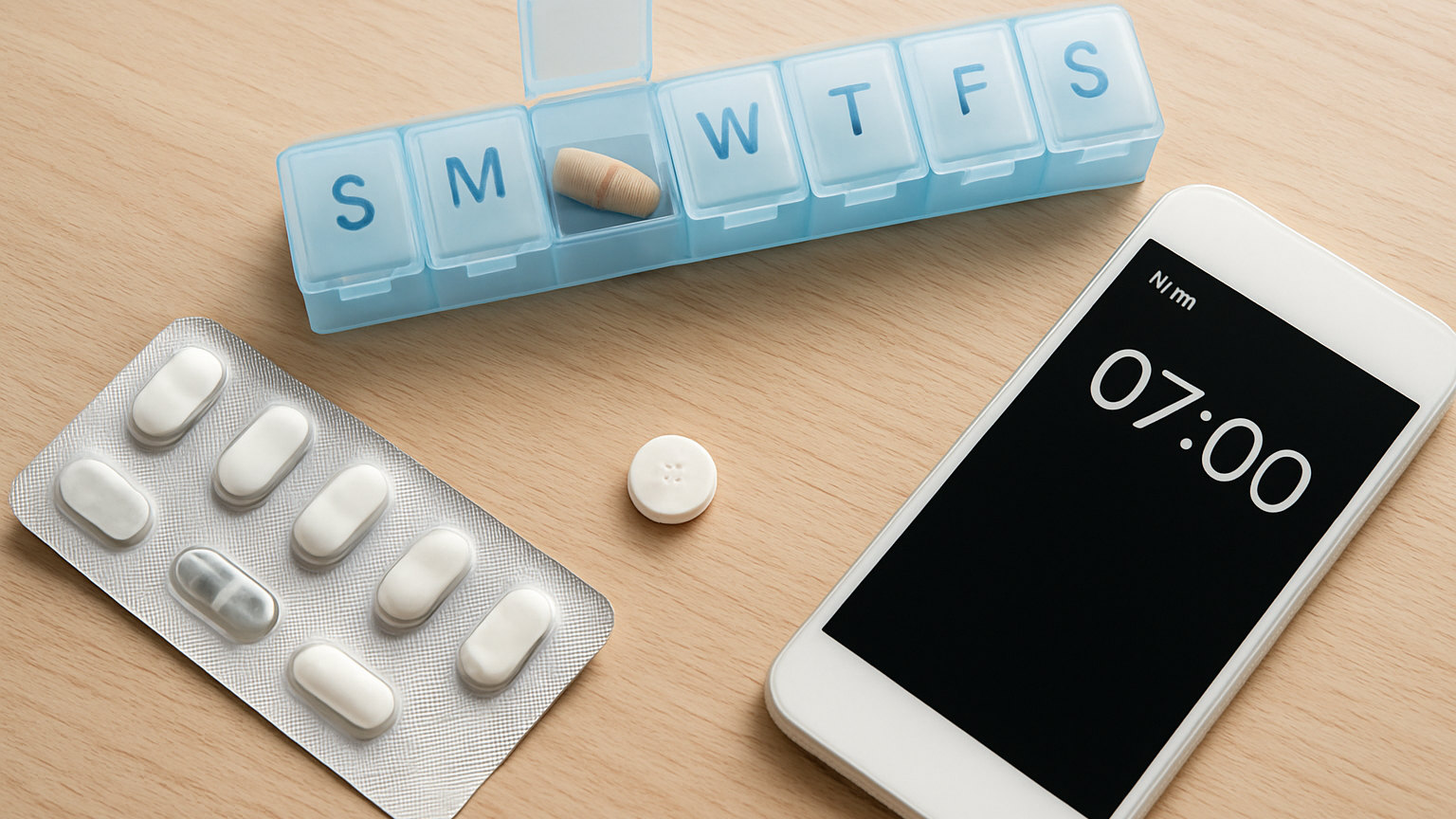
Do not put them in a weekly organiser unless you have been told it is appropriate - most should stay in original packaging.
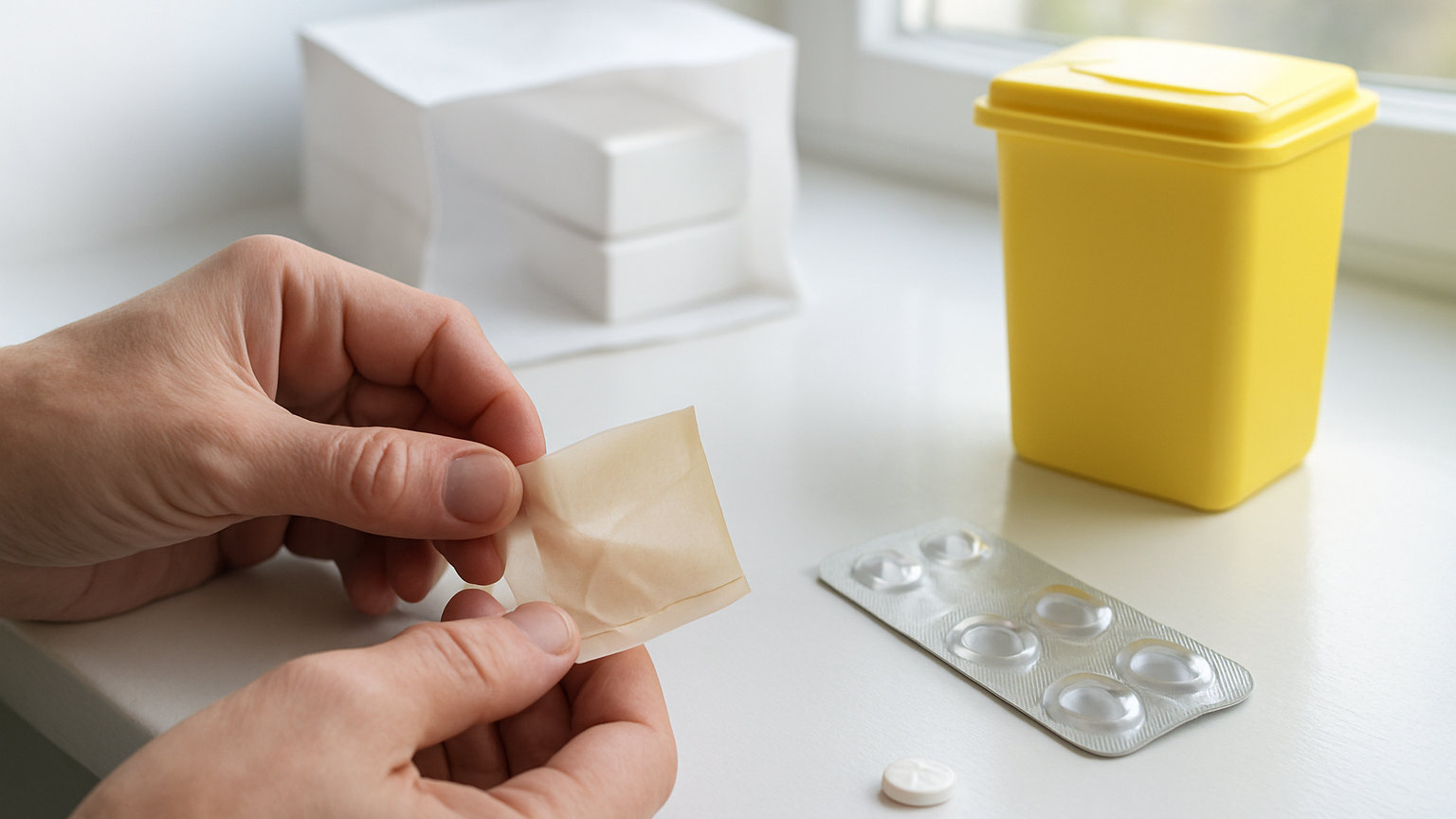
If a tablet is dropped or a capsule breaks, wear gloves, wipe the area with a disposable cloth, wash the surface, and put everything in the waste container you were given.
Who should avoid handling them
Anyone who is pregnant, trying to conceive or breastfeeding should not handle these medicines.
Children should not handle them at all.
Where a carer is in one of these groups, that needs raising so an alternative arrangement is made - it is a common situation and a solvable one.
Storage
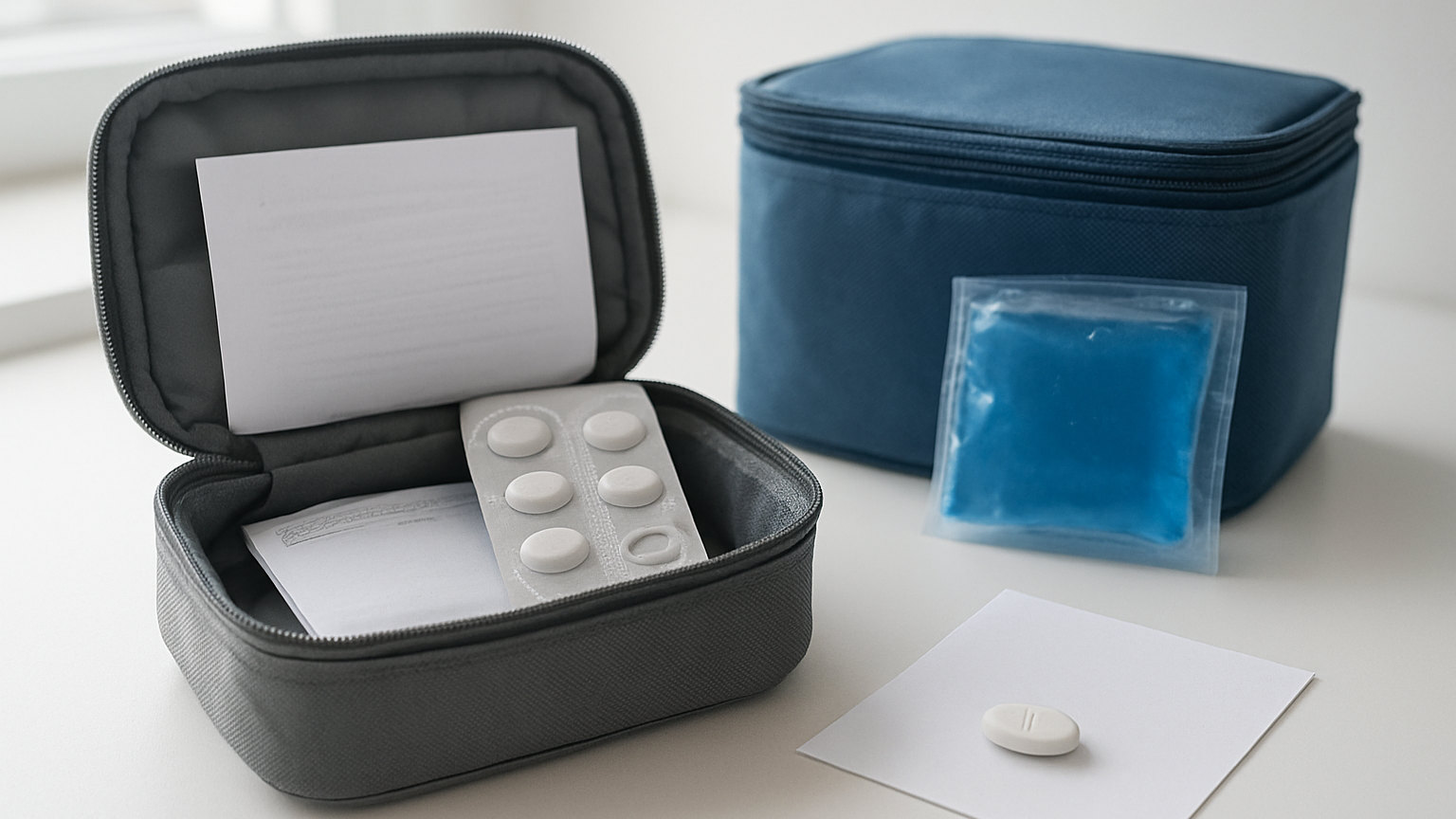
Keep them separate from the household's other medicines, clearly labelled, in a closed container.
Out of reach and out of sight of children and animals.
Not in a bathroom or anywhere damp, and not in a kitchen where food is prepared.
Some require refrigeration - if so, keep them in a sealed container, not loose among food.
See storing medicines in a shared home.
Disposal
This is where the arrangements differ most.
Cytotoxic and cytostatic waste is not ordinary medicine waste. In healthcare settings it goes into containers with purple lids and is disposed of by high-temperature incineration.
At home, the route depends on what you were given - some services supply a purple-lidded container, others ask you to return everything to the hospital pharmacy rather than a community pharmacy.
Ask specifically where your unused tablets should go, and get it in writing. Do not assume the ordinary pharmacy-return route applies.
Never put these in household waste or recycling, and never flush them.
Return unused supply promptly when treatment changes or ends rather than letting it accumulate.
See what happens to medicines you return.
Body fluids and laundry
The part people are rarely told and frequently worry about afterwards.
For a period after each dose - typically around a week, though it varies by drug - urine, stool, vomit and other body fluids contain active drug.
Usual advice includes: closing the toilet lid before flushing and flushing twice; washing hands thoroughly; wearing gloves if you are dealing with someone else's fluids or soiled laundry; and washing soiled clothing or bedding separately on a hot wash.
Normal affection, sharing a bed, hugging and household contact are all fine. The precautions concern fluids, not proximity.
Ask your team for the specific period that applies to your treatment, since it differs.
Sharps and injectable treatments
Where treatment is injected at home, a sharps container is supplied along with a collection arrangement - frequently through the homecare service rather than the council.
Cytotoxic sharps go into a purple-lidded sharps bin rather than the standard yellow one.
See needles and sharps disposal.
Who to ask
The hospital pharmacy or specialist nurse rather than a community pharmacy, since these supplies usually come through the hospital or a homecare company.
Keep the contact number somewhere findable. Questions about a spill, a missed dose or unused supply are exactly what the line is for.
Make sure these medicines appear on your medicines list, since homecare and hospital-supplied items are frequently absent from the GP record.
See when two prescribers do not know about each other.
The Usage section covers more on taking medicines day to day - What to Do With Leftover Medicines is closely related to this one.